

I was at Portugal–Spain in Dallas, and for most of the night it felt like the kind of match waiting for one mistake, one run or one loose touch to decide everything. Portugal had moments, Spain controlled more of the rhythm, and Cristiano Ronaldo spent most of the night trying to find one final World Cup opening against a team that refused to give him much space.
Then Mikel Merino arrived. Spain won 1–0 in stoppage time, Ronaldo’s final World Cup ended in front of us, and AT&T Stadium had that strange feeling where everyone knew they had watched something historic but nobody really knew what to do with it yet.
I went in expecting Ronaldo against Yamal to feel like a passing-of-the-torch game. It ended up feeling quieter than that. More painful too. One career did not get the dramatic ending. Another Spanish team kept moving.
That is the World Cup. It does not always give legends the ending everyone came to see.
The United States got hit with the other kind of pain. Belgium beat the U.S. 4–1 in Seattle, and there is not much use pretending it was closer than that. Malik Tillman gave the Americans a moment with his free kick, but Belgium were sharper, cleaner and more ruthless whenever the U.S. made mistakes. Charles De Ketelaere was excellent, Romelu Lukaku finished it late, and Christian Pulisic leaving with an ankle injury made the night feel even worse.
That result will probably sit with people for a while. A home World Cup was supposed to be the moment the U.S. took another step.
In some ways, it did. They won a knockout game, gave the country memorable moments and made the tournament feel bigger here. But Belgium also showed the distance that still exists between having a talented team and having a team ready to beat elite European opponents in the biggest matches.
Day 27 closes out the Round of 16.
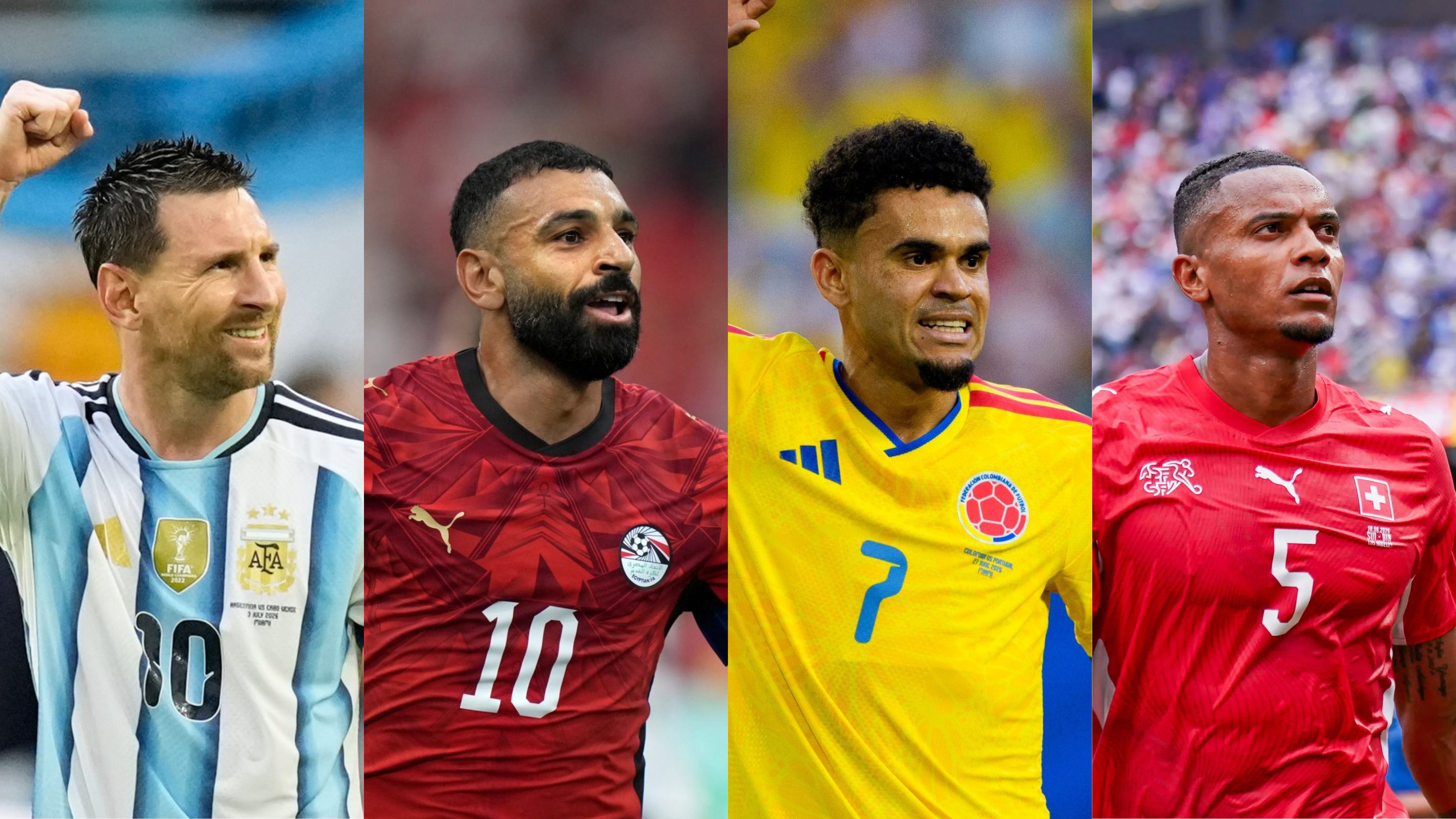
Argentina face Egypt in Atlanta, which means Lionel Messi and Mohamed Salah share a World Cup knockout stage. Then Colombia meet Switzerland in Vancouver, which means I will spend the entire afternoon pretending I am calm.
I will not be calm. That’s how these Colombia days go.
Messi and Salah Share a Knockout Stage
This matchup sells itself because of the names, but the actual tactics are interesting for different reasons.
Argentina are still Argentina. They survived Cape Verde in extra time, which was much closer than any Messi fan wanted it to be, but surviving uncomfortable matches is part of why this team has stayed near the top for so long. Lionel Scaloni’s side does not always need to overwhelm teams.
It usually needs enough patience and one player who can make a normal moment feel unfair. That player is still Lionel Messi.
What makes this version of Argentina so difficult is how much patience he gives the rest of the team. Argentina do not rush when a game becomes tense. They can keep recycling possession, wait for Egypt’s midfield to shift half a step too far, and trust Messi to turn one small opening into something dangerous.
Egypt got here differently. They needed penalties to get past Australia, and Mohamed Salah has been working his way back from a hamstring issue that has shaped almost everything about their tournament. Argentina cannot treat him like a normal wide forward because he only needs one quick pass, one defender leaning the wrong way or one transition chance to sentence the match.
It is impossible not to frame the match this way. Argentina have Messi. Egypt have Salah. It captures the emotional weight of the match. Salah has carried so much of Egypt’s football history that this game feels like more than a Round of 16 tie for them.
That is where this becomes tricky for Argentina. They will have more of the ball, but Egypt are comfortable defending and waiting for the match to offer them counter-attack moments. Hossam Hassan’s side need to keep it close, close central areas and make Argentina defend set pieces and counters.
Argentina’s midfield will decide the rhythm. Alexis Mac Allister, Rodrigo De Paul and Enzo Fernández give Scaloni enough control to keep Egypt pinned, but the key is patience without becoming slow. Cape Verde showed that Argentina can be dragged into nervous games when opponents stay compact and play physically.
Egypt’s problem is that defending Argentina requires constant focus in areas where one mistake becomes an easy chance. Messi still controls the emotional pace of Argentina’s attack. When he pauses, everyone else waits. When he accelerates the pass, the whole team moves with him. That is a hard rhythm to defend for 90 minutes.
Player to Watch: Mohamed Salah
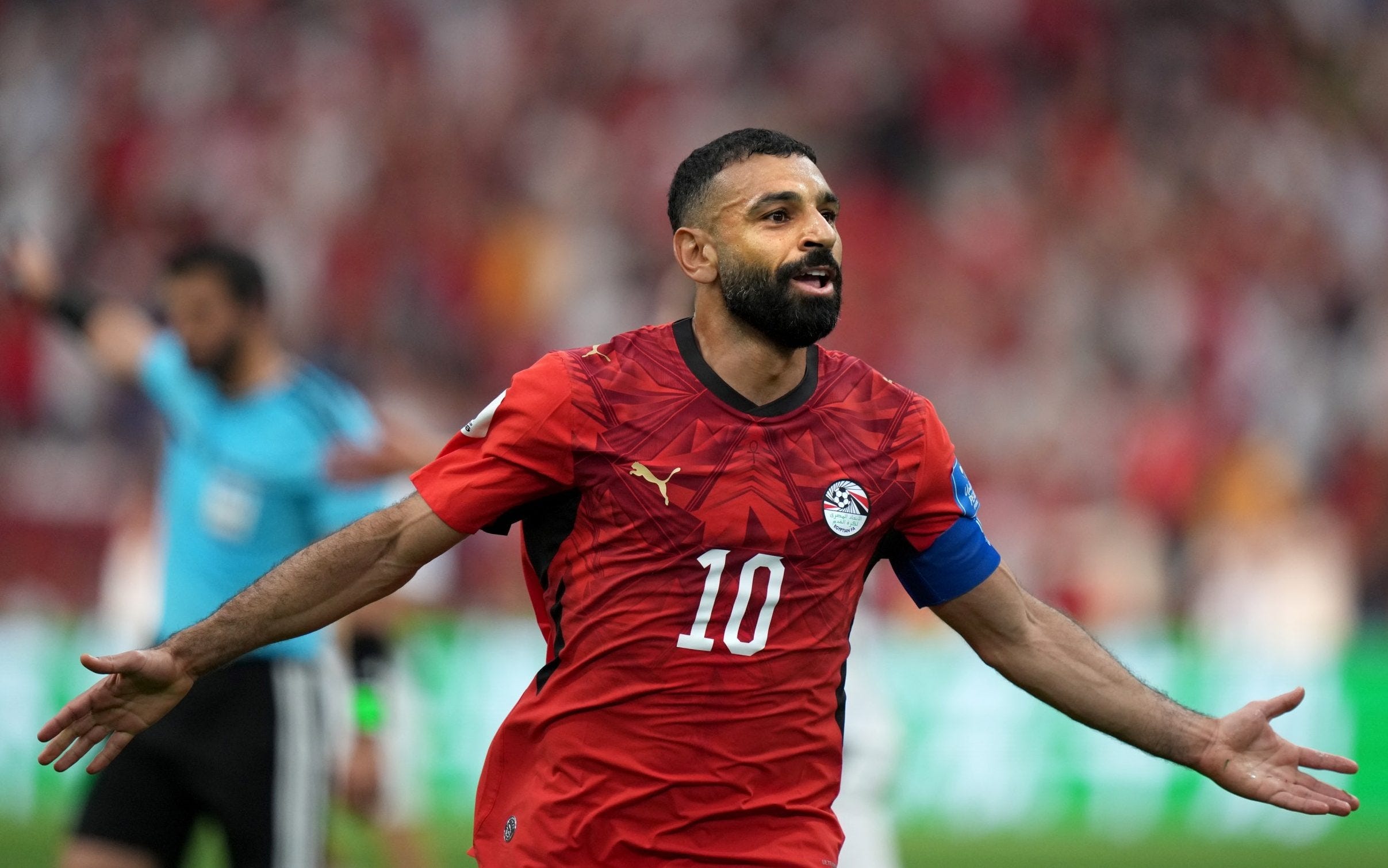
I am going with Salah here because Egypt’s entire upset case depends on how much he can still change the match physically.
Argentina will have the ball. Egypt will have stretches where they are defending deep and waiting for one opportunity to turn pressure into opportunity. Salah is the player who can make those moments feel real instead of hopeful.
He needs one moment where Argentina’s defensive line is not perfectly set.
Prediction: Argentina 2–1 Egypt
Egypt will make this more difficult than people expect. Salah’s presence alone gives them a plan into the match, and their defensive shape should keep Argentina from turning this into a comfortable early afternoon.
Argentina still have more control, more tournament experience and too many ways to manage difficult games. Messi controls the rhythm, Argentina find their moments and Egypt’s run ends with a respectable but frustrating loss.
Colombia Cannot Let Switzerland Turn This Into Their Match
This is the one that will ruin my day until kickoff. Colombia have been good enough in this tournament to make people believe. That is usually where the stress starts.
They topped a group with Portugal, DR Congo and Uzbekistan, then beat Ghana 1–0 in a match that felt more comfortable in the final score than it did while watching it. Jhon Arias scored early, Colombia defended well, and the final whistle mattered more than style points. That is fine in a knockout tournament. Nobody gives trophies for winning beautifully in the Round of 32.
Switzerland are exactly the kind of opponent that makes this uncomfortable. They are organized, experienced and very good at turning matches into something tighter than opponents want.
Colombia cannot let Switzerland make this feel slow.
Néstor Lorenzo’s team are at their best when Luis Díaz and Jhon Arias can receive early, attack defenders and force the opponent’s back line to make panicked decisions. James Rodríguez is still the player who connects those moments. He does not need to play like it is 2014. He just needs to find the pocket, lift his head and make the pass that changes the entire attack.
James was forced off at halftime against Ghana, but reports indicate he is not under a major injury and is expected to start. That matters because Colombia’s attack looks different when he is available from the beginning. Díaz can create chaos, Arias can carry pressure and Gustavo Puerta can give Colombia energy in midfield, but James gives Colombia the pause before the punch.
Jhon Córdoba’s injury changes the shape of the attack. Córdoba has been ruled out for the rest of the tournament after suffering an adductor tear against Ghana. Luis Javier Suárez is expected to step into the central striker role, and that is not a small adjustment.
Córdoba gives Colombia power, depth and a physical penalty-box prescence. Suárez brings movement and confidence, especially after coming off the bench and helping create the winner against Ghana, but Colombia will need him to occupy Akanji and Nico Elvedi long enough for Díaz, James and Arias to work around him.
That is where Gustavo Puerta becomes important.
Puerta is not the name most casual viewers will circle first. That will be Díaz, James, Xhaka or Akanji.
But in a match like this, Colombia need someone with his energy, positioning and willingness to play forward quickly. It will matter a lot against a Swiss midfield that wants to slow the game down and make Colombia defend without the ball.
Xhaka will make this a game of control. Jefferson Lerma and Puerta have to make it a game of pressure, second balls and quicker forward passes. Colombia do not need to play recklessly, but they cannot become passive. Letting Switzerland dictate tempo for long periods is how the game starts slipping into Swiss comfort.
That is my biggest fear. Switzerland making the match feel smaller, slower and more irritating until one set piece or one loose clearance changes everything.
There is also Swiss team news to watch. Johan Manzambi, one of Switzerland’s breakout players in this tournament, left training early with a knee issue and has been reported out by some sources. Ruben Vargas and Djibril Sow also left training early, while Switzerland have been monitoring other fitness concerns around the squad. That does not suddenly make Switzerland easy to play against, but it does remove some of the attacking variety and running power that made them dangerous earlier in the tournament.
Colombia have the better attacking players. Switzerland have the kind of structure that makes better attacking players prove it.
I hate that sentence because I know exactly what it means.
Player to Watch: Gustavo Puerta
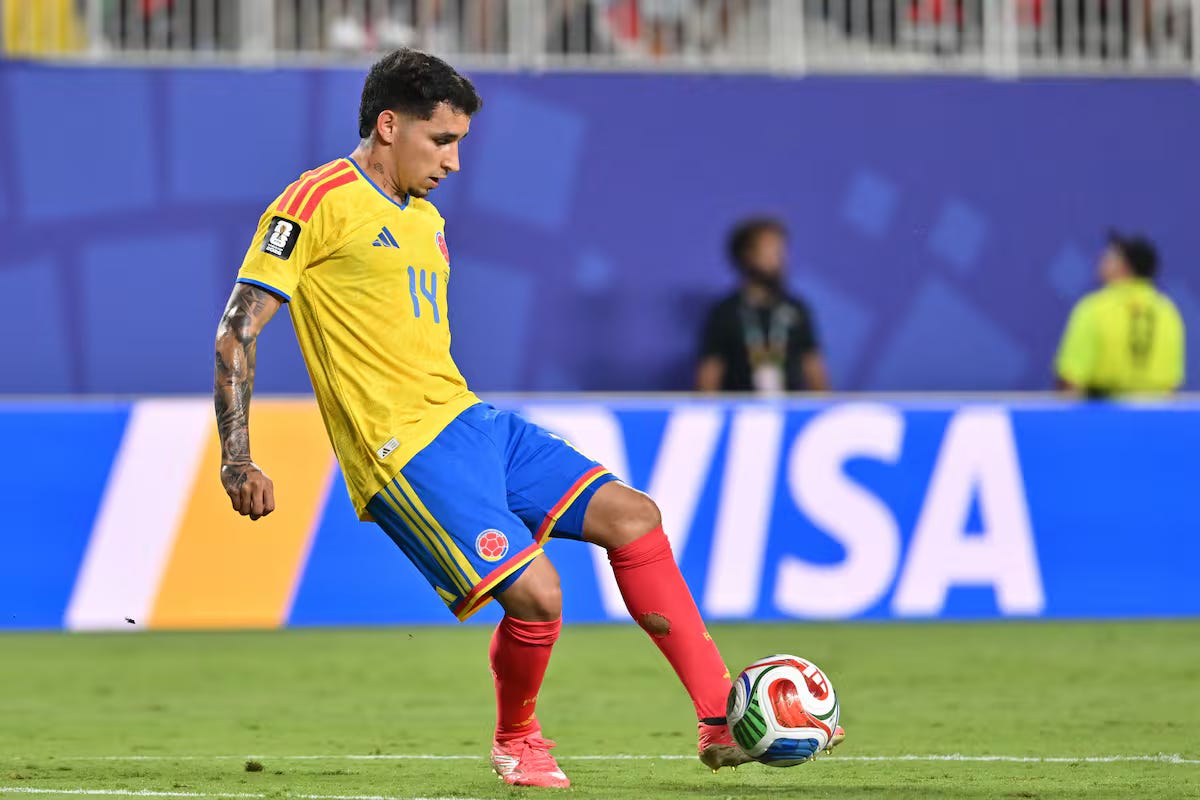
I love this kid. I swear he has five lungs. He will be critical today.
Luis Díaz is Colombia’s pressure release. James is the connector. Arias gives Colombia another player who can carry and combine. But Puerta is the player who will tell us whether Colombia can keep Switzerland from controlling the match.
Against Xhaka, every midfield action matters. Puerta has to close passing lanes, win second balls and move the ball forward quickly enough that Colombia do not spend the afternoon trapped in Switzerland’s rhythm.
It’s usually not glamorous. Puerta makes it glamorous.
It is exactly the kind of job that decides knockout games.
Prediction:
You’re funny.
What I will say is this: Colombia have enough quality to win this match, but Switzerland are built to make it uncomfortable. Xhaka will slow the game down, Akanji will organize the back line and Colombia will probably have moments where possession does not turn into enough clear chances.
Colombia need Díaz to create separation, James to find the right pass and Puerta to keep the midfield from becoming Switzerland’s comfort zone.
I will not be normal during any of it.