

Knockout tournaments have a way of making every win look different.
England survived the scare. Belgium survived the chaos. The United States survived the pressure of a home knockout match and turned it into one of the cleanest nights of their tournament.
England’s 2–1 win over DR Congo was not comfortable, and honestly, that almost felt predictable. DR Congo played with freedom and forced Thomas Tuchel’s side into the emotional match England fans have spent decades fearing. Harry Kane eventually found the equalizer, England pushed through the second half and avoided what would have been one of the tournament’s biggest shocks. They will face Mexico, but nobody is pretending that was easy.
Belgium’s win over Senegal was even stranger.
Senegal led 2–0 late and looked like they were about to validate almost everything I wrote about them yesterday. They were physical, direct, organized and brave enough to make Belgium look uncomfortable for most of the match. Then Belgium did the thing veteran tournament teams sometimes do. Romelu Lukaku scored, Youri Tielemans equalized, and then Tielemans won it with the latest goal in World Cup history after a VAR-reviewed penalty decision. Senegal deserved better than that ending, but deserving better is not the same as surviving here.
Then came the U.S. This is where I want to leave space for my West Franklin Media recap, because that match deserves more than a quick paragraph here.

The short version: the U.S. beat Bosnia 2–0, Folarin Balogun scored, Malik Tillman added the second, and the Americans moved into the Round of 16 even after Balogun’s controversial red card changed the final third of the match. They got the job done, but the red card matters. Balogun will miss the Belgium match, and suddenly one of the biggest questions around the U.S. attack becomes who replaces the player who just gave them the goal they needed. That is how quickly knockout tournaments change.
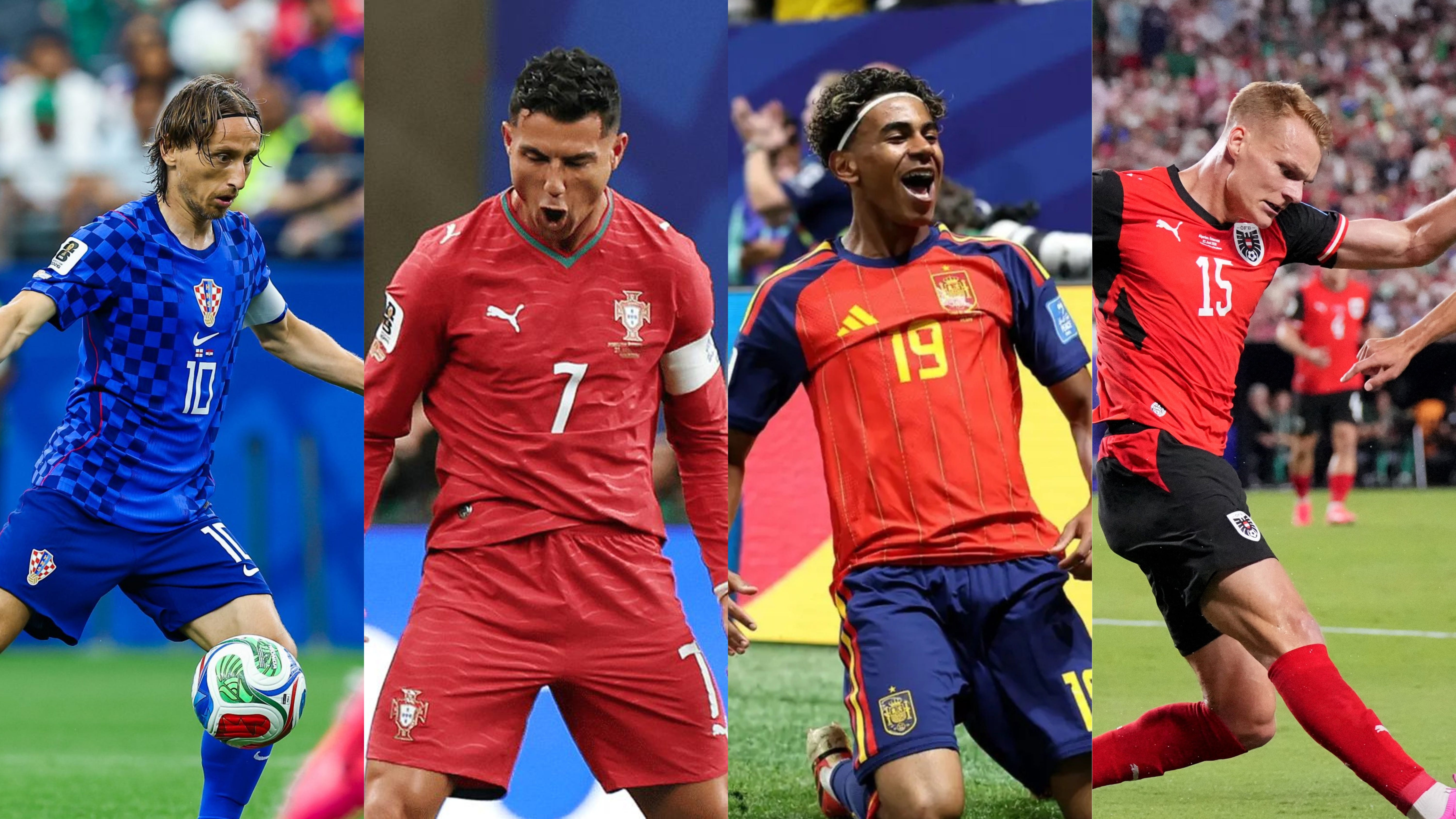
Day 22 brings a different set of matches. Spain open against Austria in Los Angeles, Portugal and Croatia meet in Toronto in the match I will be attending, and Switzerland face Algeria in Vancouver to close the night.
I will be honest. It is hard not to look past the first two games toward Portugal-Croatia.
Cristiano Ronaldo. Luka Modrić. A knockout match in Toronto. Two teams that have lived through very different versions of tournament pressure. One of them is going home before the Round of 16. It’s a pretty good reason to make the trip.
Spain’s Control Meets Austria’s Press
Spain have spent this tournament looking like one of the few teams that can control a match without making it feel slow. That matters against Austria.
Luis de la Fuente’s team are unbeaten in 34 matches, have conceded very little and enter the Round of 32 as heavy favorites. Spain move opponents around, create overloads on the wings and trust players like Pedri, Rodri, Dani Olmo and Lamine Yamal to find the pass that changes the angle of the attack.
Austria are not built to allow this. Ralf Rangnick’s teams tend to have very little interest in letting opponents settle. Austria press aggressively and try to turn matches into repetitive battles. That makes this matchup more interesting than the odds suggest, because Austria’s best chance is not sitting deep for 90 minutes and hoping Spain miss. Their best chance is making Spain’s buildup feel rushed.
It’s easier said than done. Rodri is the problem.
When Spain can find him, the match starts bending towards his rhythm. He gives Spain the ability to restart attacks when needed. Austria need Konrad Laimer and Marcel Sabitzer to make that first pass into midfield uncomfortable, because Spain become much harder to stop once Rodri and Pedri are facing forward.
The player everyone will talk about is Lamine Yamal. Rangnick has already made it clear that limiting his space is one of Austria’s biggest priorities. Yamal does not need much separation to create danger. Opponents can either send help and leave space elsewhere, or leave him one-on-one and hope your left-back has the night of his life.
Spain do have attacking availability questions to manage. Nico Williams appears unlikely to feature, while Yeremy Pino and Victor Muñoz have both dealt with injuries during the buildup to this match. This puts more responsibility on Álex Baena, Mikel Oyarzabal and Yamal to carry the front line.
Austria have their own concern with Phillipp Mwene out, while Marko Arnautović’s fitness has been monitored.
Spain are the better team. Austria are the kind of opponent that makes favorites earn the label.
Player to Watch: Lamine Yamal
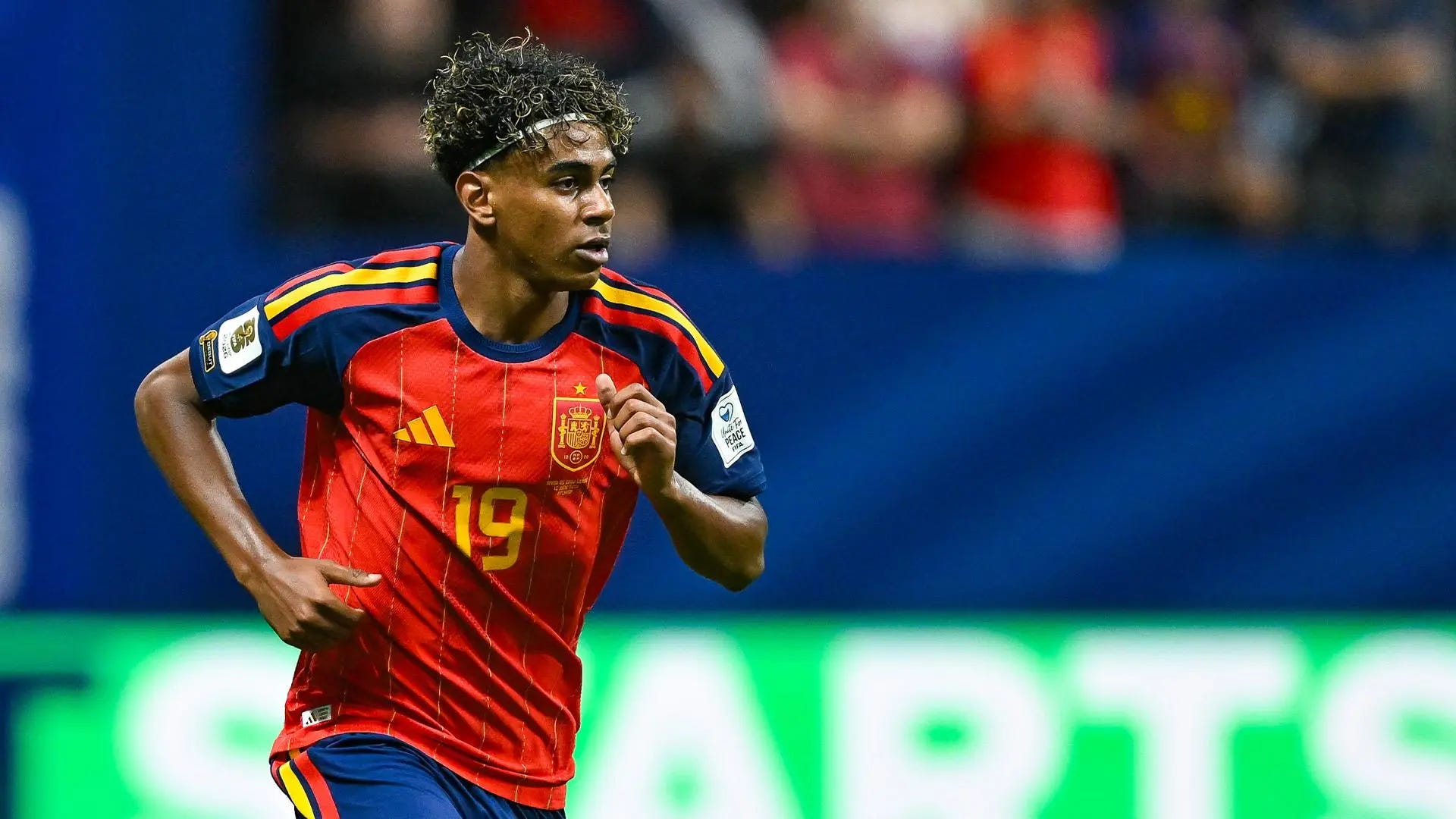
It’s obvious.
Austria’s entire defensive plan will be shaped around preventing him from receiving in space, which says everything about his influence at 18 years old. He changes the shape of Spain’s attack before he even touches the ball. Fullbacks get cautious, midfielders slide over and the far-side defenders start worrying about what opens when everyone leans toward him.
That is superstar gravity, even if it still feels ridiculous to say that about a teenager.
Prediction: Spain 2–0 Austria
Austria will make this more physical than Spain would prefer, especially in the opening half.
However, Spain have too much control in midfield and too many ways to create chances. Yamal gets involved, Rodri keeps Spain from losing control, and La Roja move on without needing to turn it into a classic.
Ronaldo, Modrić and One More Night
Portugal against Croatia in a World Cup knockout match already sells itself, but the Ronaldo-Modrić storyline makes it feel even bigger. Two Ballon d’Or winners. Two former teammates who have carried their countries through different eras. Two careers that have refused to follow normal aging curves. It is not hard to get sentimental about it.
The actual football might be even better than the nostalgia.
Portugal have no fresh injury concerns and come into this match with one of the deepest squads left in the tournament. Roberto Martínez rotated during the group stage, but the structure is familiar by now. Bruno Fernandes and Bernardo Silva give Portugal control, Rafael Leão gives them a direct threat on the left, and Cristiano Ronaldo remains the penalty-box reference point that still changes how center backs defend.
Ronaldo does not need to dominate every possession to influence the match. He bothers defenders, attacks crosses and forces opponents to defend the box with a little less comfort than they would like. Against Croatia, that could matter because Zlatko Dalić’s team have already shown moments of defensive vulnerability in this tournament.
Croatia are still Croatia, though, which means writing them off usually goes wrong.
They were not convincing in the group stage, but they found a way through. That has basically become a national tournament identity at this point. Luka Modrić still controls matches in ways that do not always show up immediately on a stat sheet. Mateo Kovačić gives them experience in midfield and Ivan Perišić remains one of those players who always seems to appear in the right place during World Cups.
Portugal want Bruno and Bernardo receiving between Croatia’s lines, forcing Modrić and Brozović to defend larger spaces than they want to cover at this stage of their careers. Croatia want enough time for Modrić to turn the match into something slower and more familiar.
As someone who grew up watching these names define international tournaments, I am trying not to turn this into a goodbye column before the game even starts. But it is impossible to ignore what is at stake. Ronaldo and Modrić may not both get many more World Cup knockout nights. One of them is probably leaving Toronto with the kind of final image nobody wants to write yet.
Portugal’s wide players may decide how comfortable Croatia can actually become. Leão attacking space against Croatia’s right side is a matchup Portugal should like. João Cancelo’s positioning can also pull Croatia’s midfield out of shape, especially when Bernardo drifts inside and overloads that half-space.
Croatia’s best chance comes from making the game messy in their own controlled way. That sounds contradictory, but it is not. They want fouls, set pieces and moments where Portugal start forcing the final pass. Portugal are dangerous when they play quickly. They become easier to defend when every attack turns into one extra touch. We saw this against Colombia.
I will be in the stadium, so I am probably going to overthink every Ronaldo shot, every Modrić touch and every moment where the crowd realizes this might be one of those games people remember because of who was on the field. Not a bad way to spend a Thursday night.
Player to Watch: Bruno Fernandes
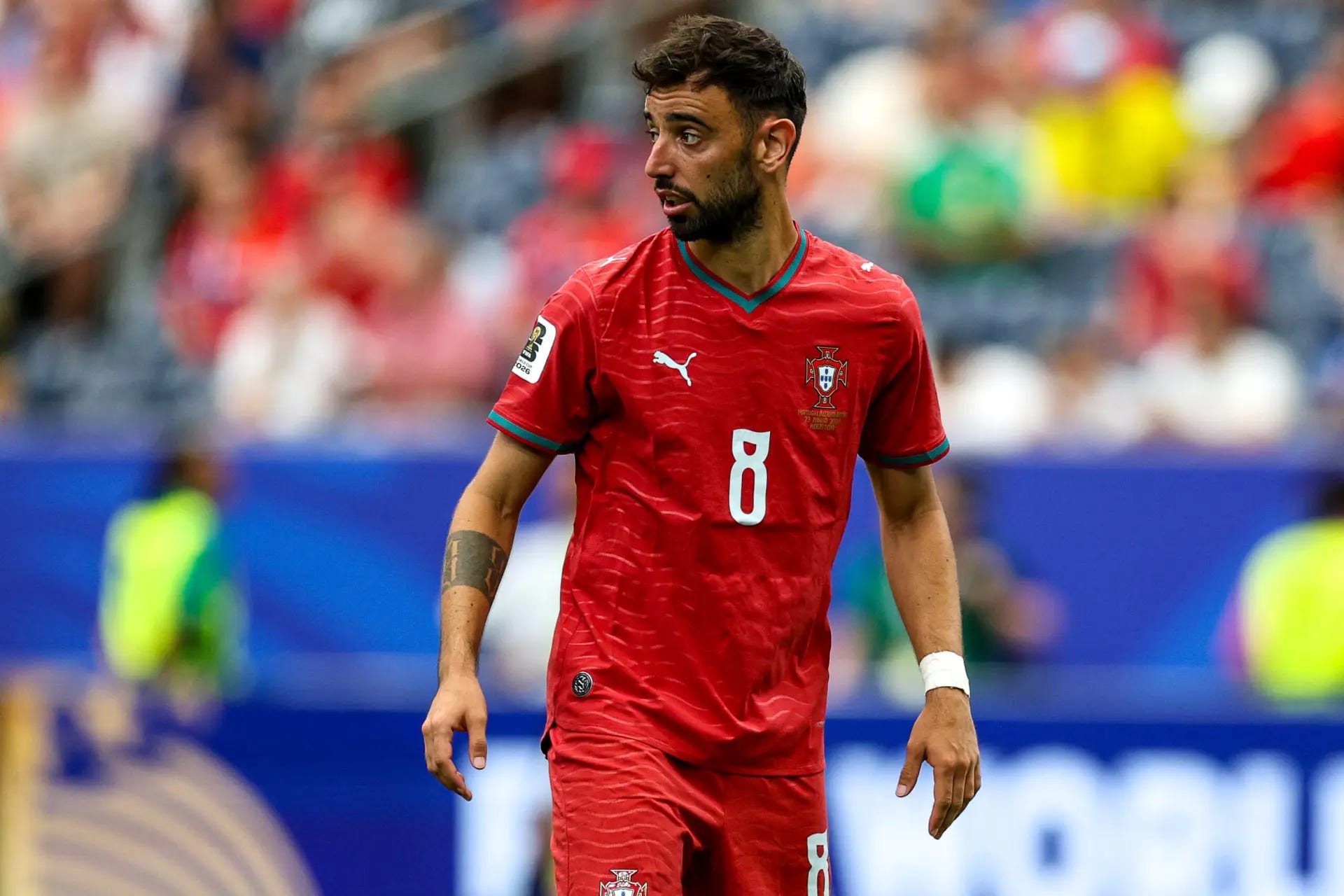
Ronaldo and Modrić will dominate the conversation, but Bruno may decide the match.
Portugal need someone who can turn possession into actual chances before Croatia get into their defensive shape. Bruno does that better than anyone in this team. His passing range, late runs and willingness to risk a difficult pass give Portugal the edge they need against a Croatia side that would love to slow everything down.
When Bruno is sharp, Portugal stop looking predictable very quickly.
Prediction: Portugal 2–1 Croatia
This feels close because Croatia know how to make knockout matches uncomfortable.
Portugal have more variety, more pace in wide areas and a midfield that can hurt Croatia if the game opens up. Croatia have Modrić, tournament experience and the stubbornness to make everyone uncomfortable until the final whistle.
I think Portugal have just enough. Ronaldo gets his moment, Bruno controls the rhythm, and Croatia finally run out of tournament lives.
Algeria Get Their Vancouver Moment
This deserves more attention than it will get.
Switzerland are experienced playing tight matches. Algeria are the kind of team that can turn one bad defensive transition into a goal before you realize the match has changed.
Vancouver should be a scene too.
One of my favorite things about this World Cup in North America has been watching supposedly neutral venues slowly choose sides over the course of a match. Switzerland already played in Vancouver during the group stage, but Algeria travel with a supporter base that has made itself heard throughout this tournament. This feels like one of those nights where the atmosphere becomes part of the game.
Switzerland know exactly who they are. Murat Yakin’s side do not give opponents the open match they want. The issue is that Algeria have enough individual quality to disrupt that structure.
Riyad Mahrez remains the obvious headline name, but that does not make him any easier to stop.
At this stage of his career, Mahrez influences matches with timing. One touch to slow the game down, one pass through a defensive line or one moment where a defender gives him slightly more space than he should.
Algeria are more balanced than many people realize. Amine Gouiri gives them movement, Houssem Aouar gives them progression through midfield and Mohamed Amoura gives them the pace to punish teams that get stretched chasing the match.
That combination makes Algeria difficult to prepare for. They can play through midfield when matches slow down, but they are equally comfortable turning one turnover into a sprint toward goal.
Switzerland spend ninety minutes trying to remove chaos from matches. Algeria will spend ninety minutes trying to find it. Switzerland make opponents earn every inch of the field. Algeria make opponents survive every transition.
That feels like an entertaining combination in a knockout match.
Player to Watch: Riyad Mahrez
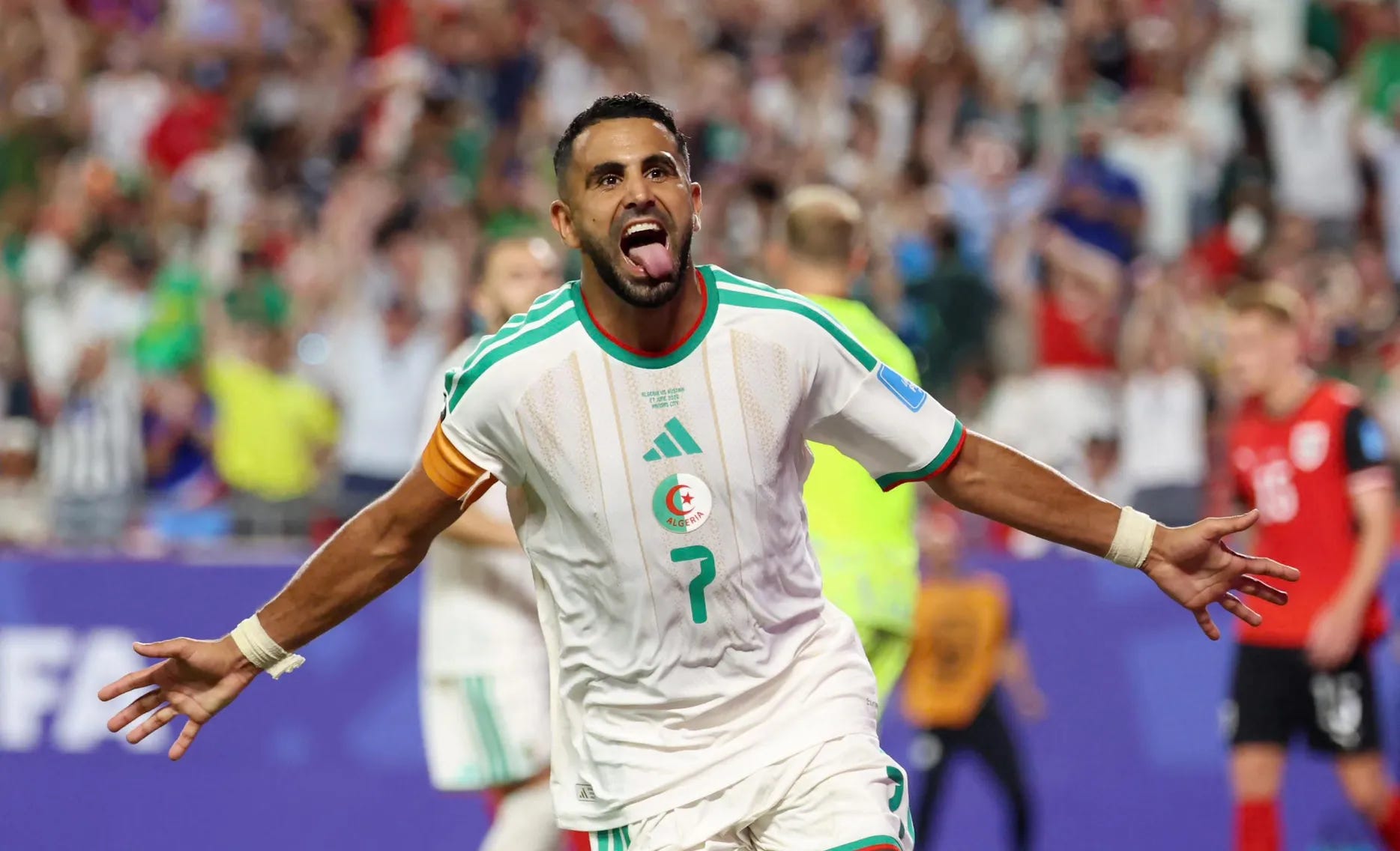
Mahrez may only need one moment.
Switzerland are disciplined enough to limit chances for long stretches. The problem is that Mahrez has spent most of his career proving that long moments without the ball don’t matter.
The pass, the touch or the shot arrives eventually.
Prediction: Algeria 2–1 Switzerland
I keep trying to talk myself into Switzerland. Then I come back to Algeria.
The Swiss have more structure, more tournament experience and probably more control of possession. Algeria have the kind of unpredictability that can undo a defensive structure in one sequence.
I have spent most of this tournament trusting teams that know how to make favorites uncomfortable. I am going to keep doing it here.
Mahrez finds the moment. Algeria find the quarterfinals.