

Canada are through to the Round of 16, but they needed almost every second available to get there.
South Africa spent most of yesterday playing exactly the match they wanted. They defended well, slowed Canada’s transitions, and forced Jesse Marsch’s side into longer periods of possession than they usually prefer. Extra time felt more likely than a winner. Instead, one loose ball near the edge of the box changed the game. Stephen Eustáquio reacted first, Canada survived, and South Africa’s best World Cup run came to an end just moments away from another half hour.
The result felt like a useful reminder heading into the rest of the Round of 32.
Group stage matches often reward consistency and squad depth over three games. Knockout football tends to become much simpler and much harsher. One mistake, one substitution, or one finish can decide the entire tournament for a team that spent years getting there.
Day 19 gives us three more chances to find out who handles that pressure best.
Brazil meet Japan in Houston in one of the more interesting stylistic matchups of the round. Germany face a Paraguay side that has shown very little interest in making matches comfortable for opponents. The evening finishes in Monterrey, where Morocco and the Netherlands meet in a fixture that feels more like a quarterfinal than an opening knockout match.
Samba Against Structure
Brazil have looked more complete with each match. The improvement has been tactical as much as individual.
Earlier in the year, Brazil often felt like a collection of elite players waiting for moments of inspiration. Through the group stage, Carlo Ancelotti’s side began looking more connected in possession and much more organized when trying to recover the ball after attacks broke down.
Vinícius Júnior has been central to that change.
Brazil are finding him earlier in attack, teammates are creating better passing angles around him, and opponents are struggling to isolate him without opening space elsewhere. The version of Vinícius that dominates Champions League knockout matches has finally started appearing regularly in a Brazil shirt.
Japan arrive with one advantage that many opponents do not have.
They genuinely believe they can beat Brazil.
The friendly victory over Brazil last year does not directly matter in Houston, but it removes any sense of intimidation from the occasion. Hajime Moriyasu’s side are among the most tactically disciplined teams remaining in the tournament, and they have spent years proving that organization and patience can compensate for differences in individual talent.
Japan defend compactly and rarely chase the ball unnecessarily. That means Brazil’s possession has to move with purpose. Quick switches of play, underlapping runs and third-man movements through midfield are more likely to create the sort of defensive decisions that pull Japan out of shape.
Takefusa Kubo’s absence removes some creativity, but Japan still have enough quality to create problems in transition. Ayase Ueda has quietly put together a strong tournament, while Daichi Kamada remains one of the better players in the competition at finding space behind aggressive midfields.
Under Ancelotti, Casemiro has become more involved in helping Brazil sustain attacks and recover second balls quickly after moves break down. Against a team that transitions as efficiently as Japan, that work becomes almost as valuable as anything happening inside the penalty area.
Player to Watch: Vinícius Júnior
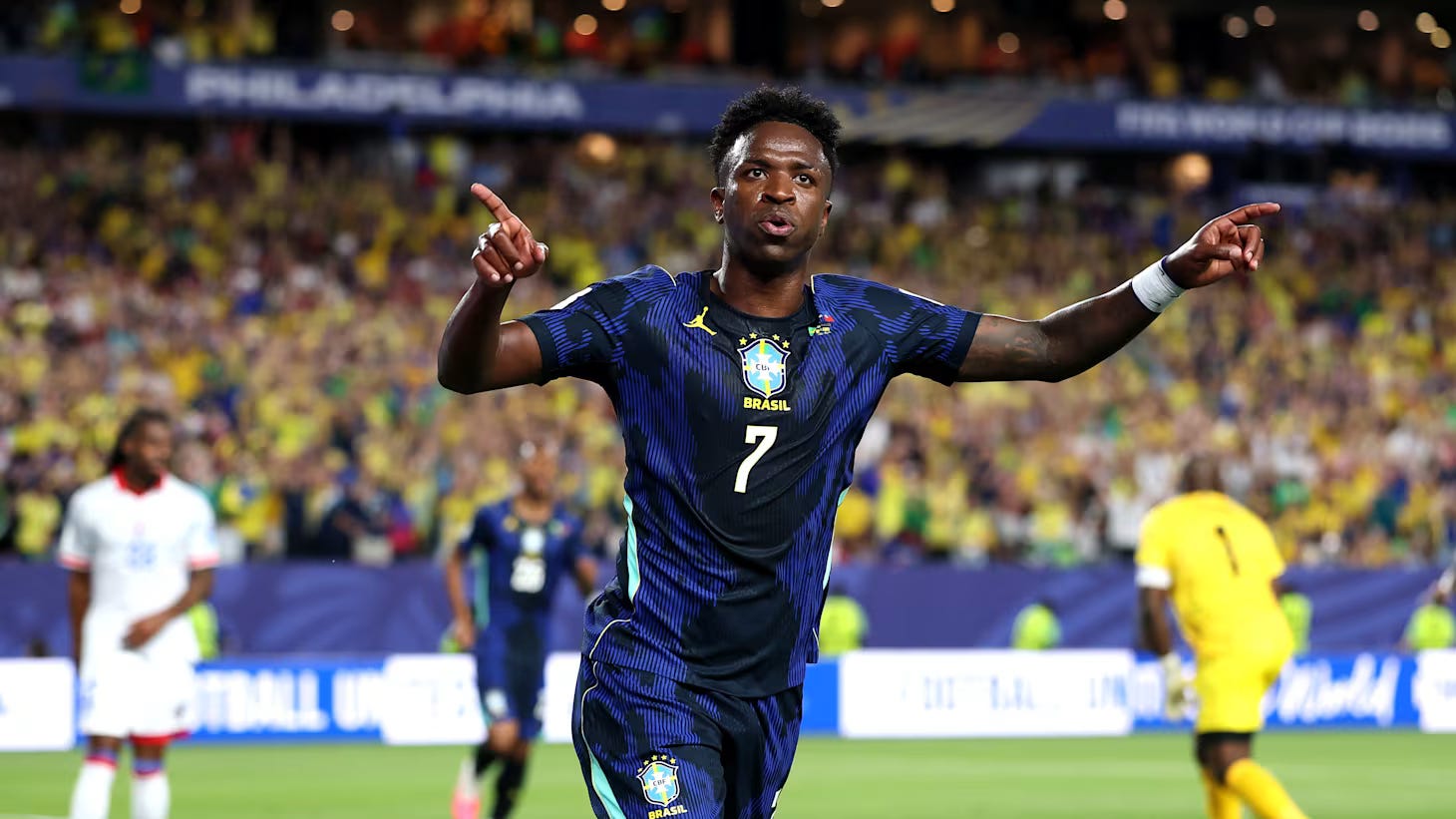
This feels like Vinícius’ tournament.
Neymar’s return remains important, but Brazil’s attack now moves according to Vinícius’ decisions. Defenders retreat when he accelerates, midfielders shift toward his side of the field, and spaces begin opening elsewhere because opponents are so worried about what happens when he receives the ball facing forward.
Few players in world football influence defensive structures as quickly as he does.
Prediction: Brazil 2–1 Japan
Japan have enough defensive organization and technical quality to stay in the game for long stretches, particularly if they can avoid chasing the match early.
Brazil, however, have looked progressively more comfortable with each passing performance, and the combination of Vinícius’ form and Ancelotti’s tactical balance should eventually prove enough to move them into the Round of 16.
Germany Have Talent. Paraguay Have Ideas.
Germany won their group and still managed to arrive in the knockout rounds surrounded by questions.
The defeat to Ecuador in the final group match reopened conversations about Julian Nagelsmann’s selections. Germany remain one of the strongest squads in the competition, but talent alone rarely calms public debate around the national team.
Paraguay will not care much about any of that.
Gustavo Alfaro’s side reached the knockout rounds by doing exactly what they intended to do from the beginning of the tournament. They defended well, competed physically and turned matches into uncomfortable tactical battles. Paraguay rarely make games attractive for neutral viewers, but they are very good at making games frustrating for opponents.
Germany are likely to dominate possession. The challenge is turning that possession into something dangerous against a defense that is comfortable protecting the edge of its own penalty area for long periods. Germany need movement between lines, particularly from Florian Wirtz and Jamal Musiala, and they need runners attacking spaces behind defenders rather than waiting for the perfect opening to appear.
Deniz Undav feels important for that reason.
His movement inside crowded penalty areas has given Germany a different dimension throughout the tournament. Paraguay’s center backs are comfortable in physical battles. Constant movement and late runs create different problems.
Paraguay’s attacking plan is fairly straightforward, but that does not make it less effective. Diego Gómez gives them progression. Julio Enciso remains the player most likely to create something unexpected from difficult positions. Germany looked vulnerable defending transitions against Ecuador, and Paraguay will try to recreate those moments whenever possible.
Set pieces also deserve attention.
Paraguay treat corners and free kicks as major parts of their attacking plan rather than secondary routes toward goal. Germany know every delivery into the penalty area will arrive with intent.
Player to Watch: Jamal Musiala
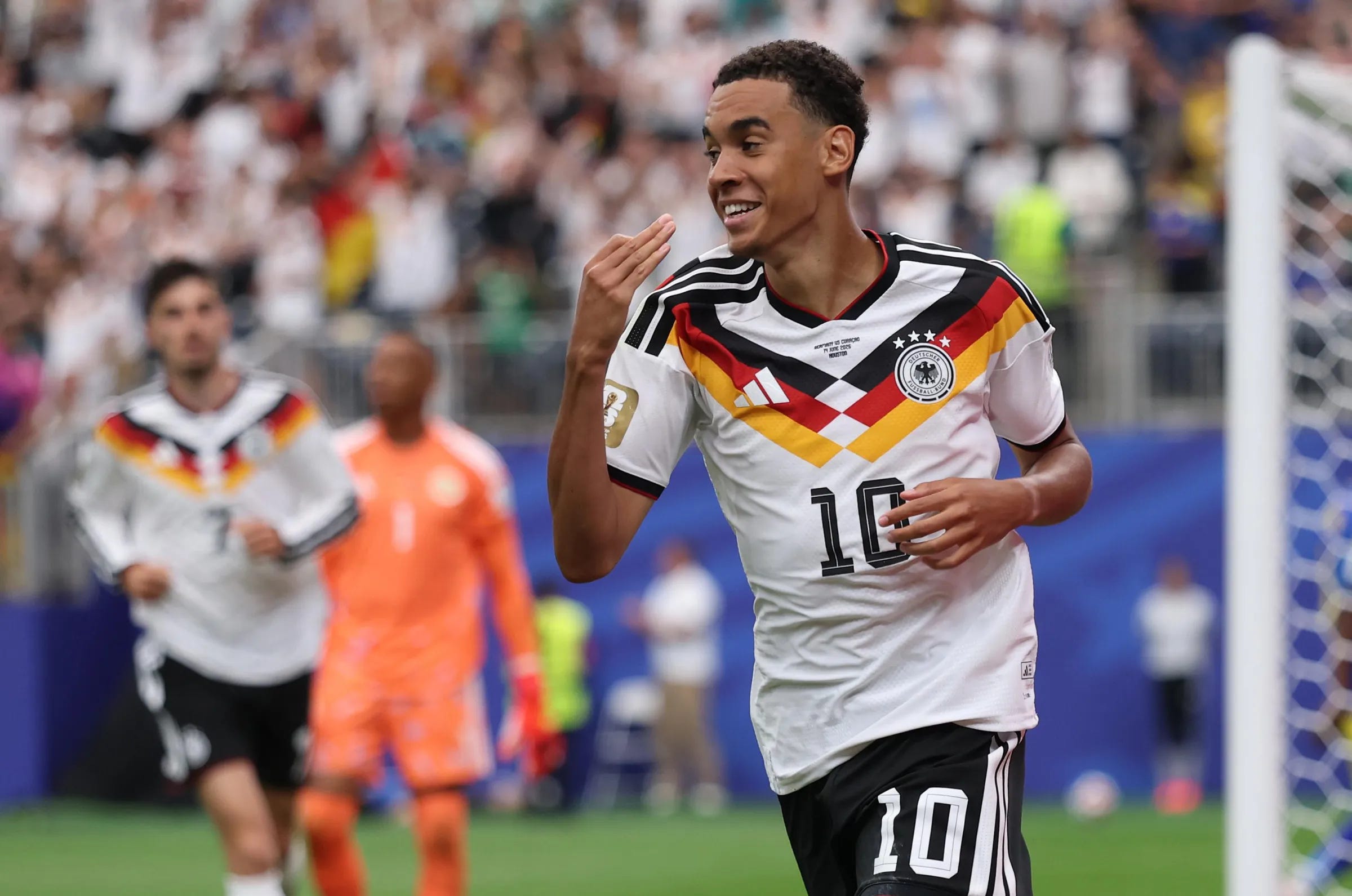
Musiala changes the pace of matches.
Germany can spend long stretches controlling possession without making opponents particularly uncomfortable. Musiala’s dribbling changes that equation immediately, especially against teams that prefer defending compactly around the edge of their own box.
Paraguay will reduce space whenever possible. Musiala is Germany’s best answer to that problem.
Prediction: Germany 3–1 Paraguay
Paraguay should remain competitive for much of the afternoon because they defend well enough to prevent Germany from creating chance after chance.
Germany simply have too many players capable of creating advantages in small spaces, and knockout football usually rewards teams that can create quality moments without needing perfect attacking moves to get there.
The Match of the Day
This is the game I keep coming back to.
Brazil may be the favorite. Germany may be the giant trying to avoid an upset. Netherlands against Morocco feels like the match that could shape the entire side of the bracket.
Both teams came through difficult groups and both look capable of reaching the quarterfinals. Instead, one leaves before the Round of 16 even begins.
The Netherlands arrive with familiar strengths.
Virgil van Dijk organizes the defensive line, Frenkie de Jong controls rhythm in midfield and Cody Gakpo continues to provide reliable production in attacking areas. Ronald Koeman wants his team stretching opponents wide before attacking spaces through the middle with runners arriving from deeper positions.
Morocco are particularly comfortable defending that style of game.
They remain disciplined for long periods without the ball. Teams often finish matches against Morocco with impressive possession numbers and fewer clear opportunities than they expected to create. Achraf Hakimi remains the central figure.
His influence extends far beyond overlaps and assists. Hakimi gives Morocco width in possession, recovery speed in transition and an outlet whenever pressure begins to build. The battle with Cody Gakpo could shape the match because it affects both ends of the pitch at once.
Morocco’s has quietly been one of the stories of the tournament. Sofyan Amrabat continues to provide defensive balance, while Ismael Saibari has become important progressing the ball through pressure.
The conditions in Monterrey may help them too.
Slower matches generally favor teams comfortable defending for longer stretches and attacking quickly after turnovers. Morocco have built much of their recent success around that approach.
As someone who has watched Colombia and Morocco become two of the most enjoyable tournament teams to watch over the last few years, I also have to admit I enjoy teams that make favorites solve problems rather than simply trying to survive them.
Morocco tend to do that.
Player to Watch: Achraf Hakimi
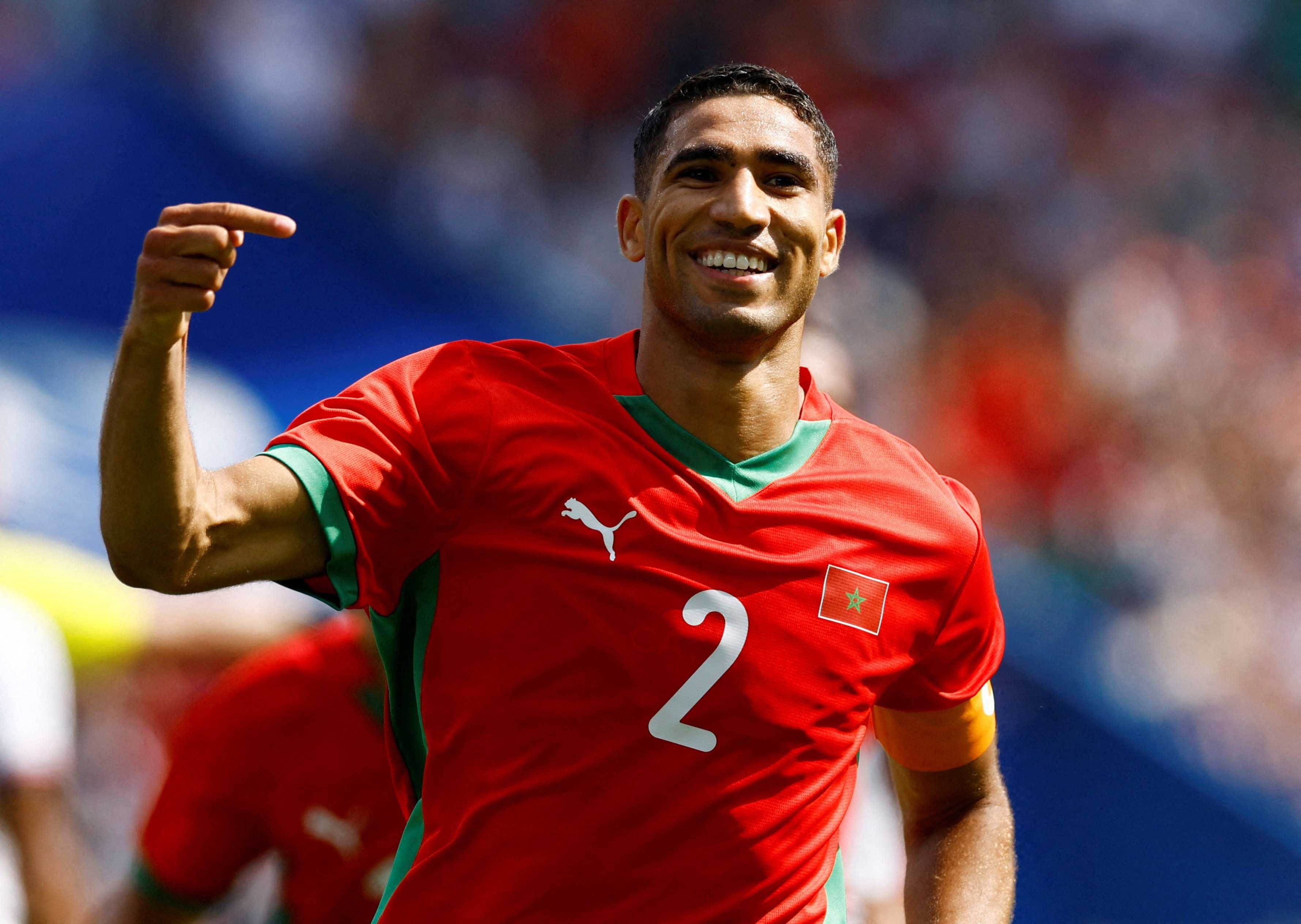
Few players influence matches in as many phases of play as Hakimi.
He provides Morocco’s width, creates transition opportunities and helps stabilize the defensive structure whenever opponents attack wide areas. His positioning often tells you how Morocco want the game to look long before the scoreboard does.
Prediction: Morocco 2–1 Netherlands
The Netherlands will probably finish with more possession and more touches in the final third.
Morocco have shown repeatedly that those numbers do not concern them very much.
They defend well, recover numbers quickly and remain one of the better transition teams left in the competition. Hakimi should find opportunities down the right side, Amrabat should keep central areas compact, and Morocco have enough quality in attacking moments to punish mistakes when they appear.
Canada await in the Round of 16.