

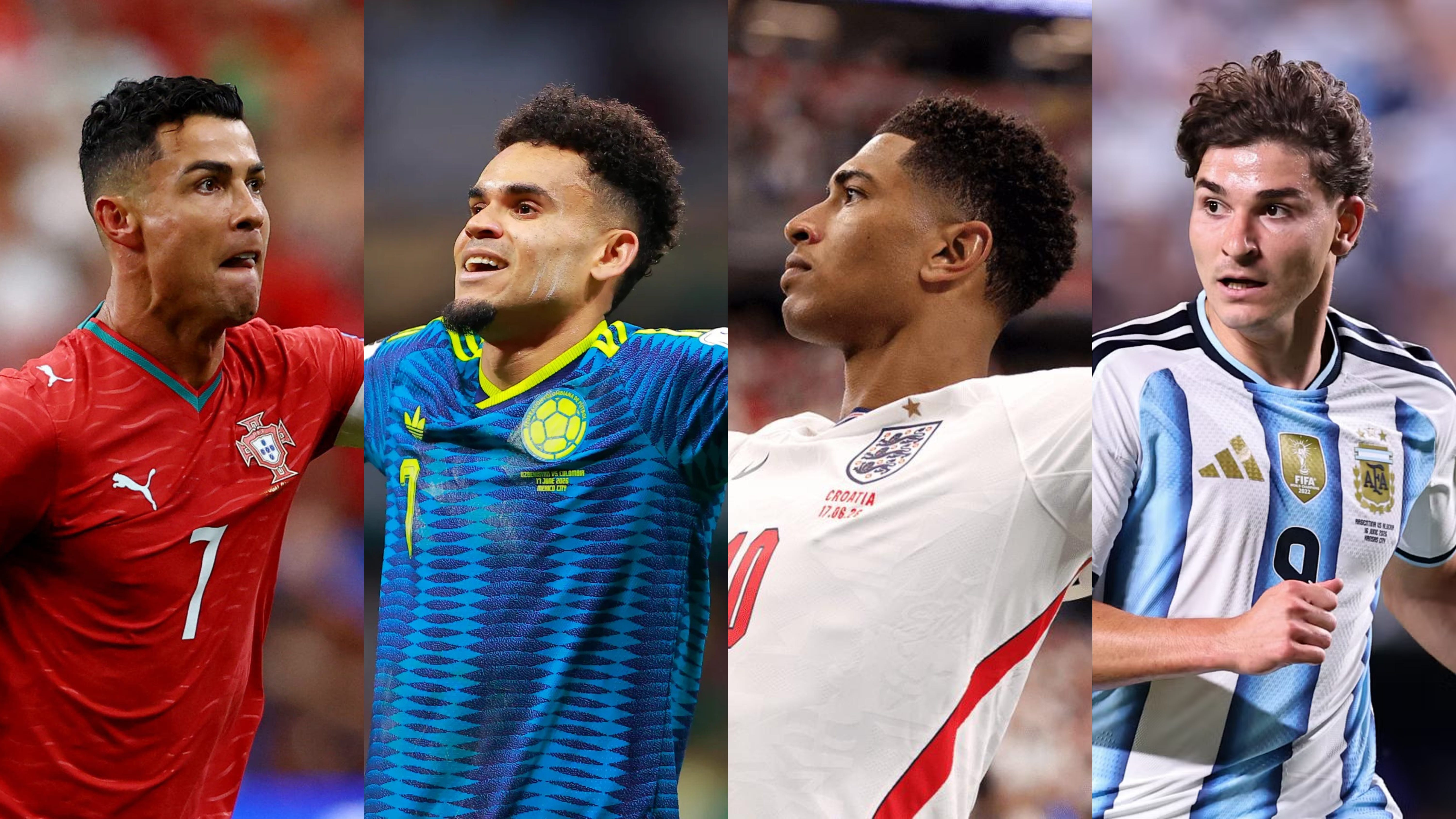
The group stage never ends quietly.
France did not just beat Norway. They made a point.
Ousmane Dembélé scored a first-half hat trick in France’s 4–1 win, and the strangest part was that the match was supposed to be about Kylian Mbappé and Erling Haaland. Instead, Norway rested Haaland and Martin Ødegaard, France still played with purpose, and Dembélé turned the game into his own personal reminder that this French attack has more than one way to ruin your afternoon.
That should scare everyone left in the tournament.
France have Dembélé flying, Mbappé still lurking, Désiré Doué getting involved, and a midfield that can control games. There is a difference between managing legs and getting reminded what the top tier looks like.
Senegal also did what they had to do, beating Iraq 5–0 after an early red card changed the game and gave themselves a real chance to stay alive. Ismaïla Sarr scored again, Pape Gueye came off the bench and scored twice, and Iraq’s first World Cup in 40 years ended with three losses.
Then came Group H, where Spain did Spain things, but not in the pretty way.
They beat Uruguay 1–0 through Álex Baena, topped the group, and sent Uruguay home. Spain were not perfect. They were not spectacular. They were just controlled enough, patient enough, and ruthless enough when the chance came. Uruguay pushed late, but the finishing never arrived, and by the time Agustín Canobbio was sent off in stoppage time, their tournament felt finished.
The bigger story might have been Cape Verde.
The 0–0 draw with Saudi Arabia was historic. Three games, three draws, and somehow enough to reach the Round of 32. That is the beauty and chaos of this expanded World Cup. You do not always need to look like a contender. Sometimes you just need to survive every 90 minutes, collect points, and make everyone else deal with you later.
Belgium finally exploded too, beating New Zealand 5–1 to win Group G, while Egypt and Iran drew 1–1. It sets up the knockouts with one more giant starting to look comfortable.
Now we get the final day of the group stage.
Six matches. Three groups. A few teams already through. A few teams already out. And several teams stuck in that terrifying middle ground where one mistake can turn an entire month into a flight home.
This is where the World Cup starts feeling mean.
England are already through, but this still matters.
Thanks to results elsewhere, England have already secured a spot in the Round of 32. But the goal is not to sneak into the knockouts. The goal is to win Group L, avoid unnecessary bracket chaos, and leave the group stage feeling like a team that knows what it is.
Right now, I am not sure England have fully answered that.
The 4–2 win over Croatia looked like the version of England people imagined when Thomas Tuchel took over. Aggressive pressing. Quick passing. Jude Bellingham arriving between the lines. Harry Kane dropping off to connect play. Wide players attacking the box instead of just standing outside it.
Then came the 0–0 draw with Ghana, and suddenly the old questions came back.
Against Ghana, England had the ball but never fully had control of the match. Ghana never really felt trapped.
Panama will likely defend in a low block, sit in a back five or a very compact back four, and make England play through traffic. They have nothing left to lose after defeats to Ghana and Croatia, which can be dangerous. An eliminated team can play with freedom.
Reece James being out with a hamstring injury changes the balance. Jarell Quansah starting at right back gives Tuchel more defensive security, more size, but less attacking rhythm down that side. That could push more responsibility onto Bukayo Saka.
Saka returning to the right gives England a clear outlet. If Quansah stays deeper, Saka may isolate Panama’s left side and become the main creator of wide pressure. On the opposite side, Marcus Rashford gives England something more direct than Anthony Gordon. England cannot let the match become 70 minutes of sideways passing.
The interesting tactical piece is Morgan Rogers. If Rogers starts as the No. 10 with Bellingham deeper, England become more vertical. Rogers wants to receive on the half-turn and carry. Bellingham, from a slightly deeper role, can still break lines but also help England counter-press after losing the ball.
Panama’s biggest issue is chance creation. Adalberto Carrasquilla starting on the bench with a muscle issue removes one of their best midfield connectors. Without him, Panama will probably look for direct balls into wide areas, set pieces, and moments where England’s rotated back line loses concentration.
England cannot let that happen.
Player to Watch: Jude Bellingham
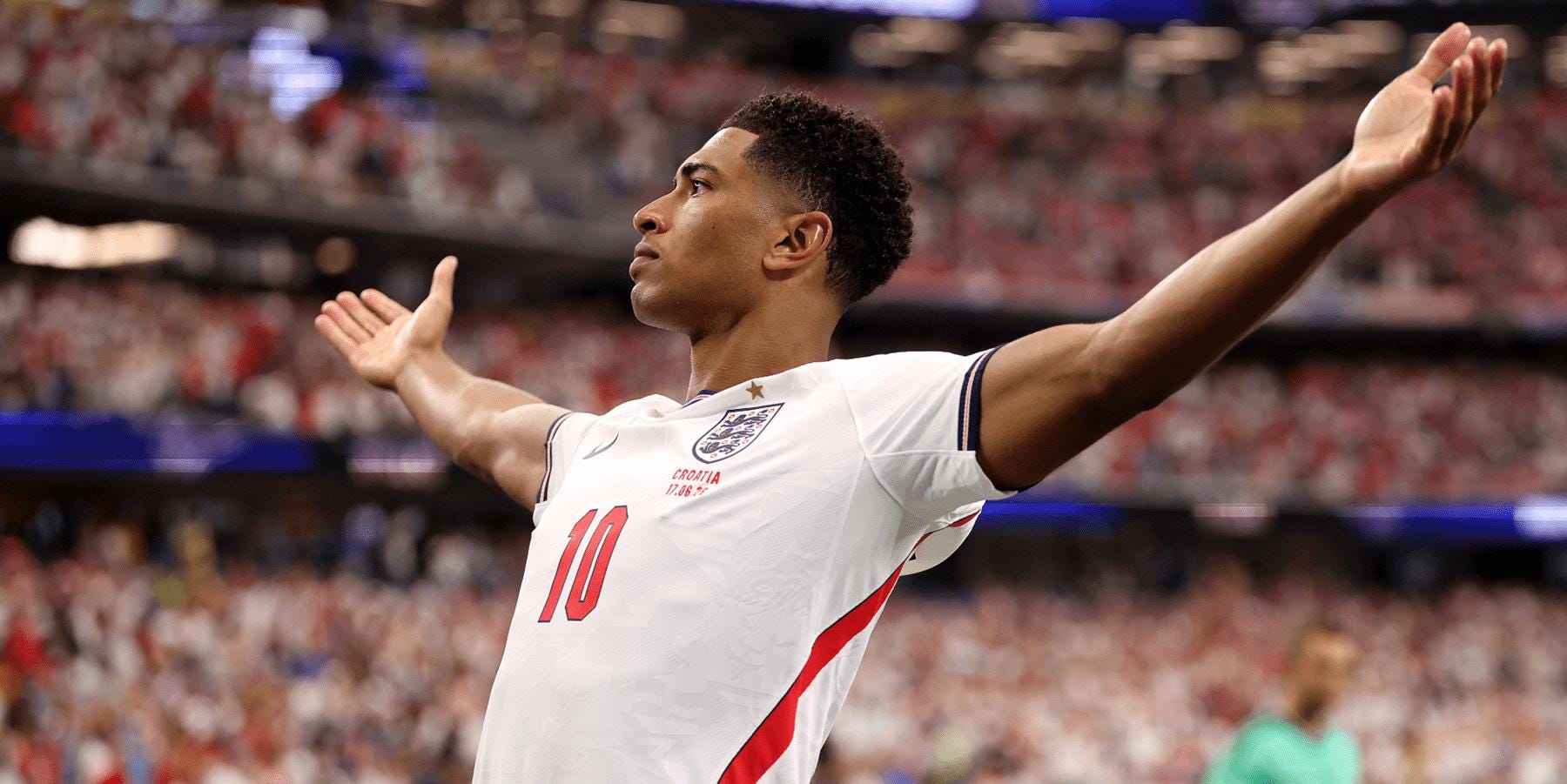
Bellingham is not England’s only important player, but he is still the one who changes the emotional temperature of a match. Against Panama, whether he plays as a No. 8 or pushes higher, England need his timing more than his highlights.
A late run into the box. A tackle after losing possession. A pass that breaks two lines instead of one.
Those are the details that can turn a frustrating group finale into a professional win.
Prediction: England 3–0 Panama
England should have enough.
Panama can defend with pride for stretches, but the matchup asks too much of them. England’s wide players should eventually stretch the field, and Kane’s movement will create gaps for runners underneath.
The bigger question is not whether England win. It is whether they look sharp enough to make people believe again.
A knockout game before the knockout stage.
Croatia are not supposed to be here.
Not because they are too good to struggle. Tournament football does not care about reputations. But because this generation has spent the last eight years making deep World Cup runs feel normal.
Final in 2018. Semifinal in 2022. Now, in 2026, they enter the final group match needing a result against Ghana just to feel safe.
That is the tournament telling Croatia that experience can only carry you so far.
The 4–2 loss to England exposed the concern everyone had before the tournament: Croatia can still play, but can they still defend space? Luka Modrić and Mateo Kovačić remain brilliant midfielders, but the game around them has changed.
Croatia then beat Panama 1–0, but it was not convincing enough to erase the doubts. It kept them alive. That is all. Now they face a Ghana team that has been one of the most disciplined sides in the group stage.
Ghana have been comfortable without the ball and dangerous when the game opens. Under Carlos Queiroz, that makes sense. This is a team built to make opponents miserable.
The key battle is central control versus transition threat.
Croatia want the ball. They want Modrić dictating tempo, Kovačić carrying through midfield, and Ivan Perišić finding pockets where he can deliver early crosses. With Ante Budimir up front, Croatia have a target, and that matters against a Ghana side that will not leave much space through the middle.
But Ghana will not mind defending crosses if they are organized. What they will want is the first pass after regaining possession. If Thomas Partey can receive and turn, if Jordan Ayew can hold the ball, if Antoine Semenyo or Kamaldeen Sulemana can attack the channels, Croatia will have a problem.
That is why Josko Gvardiol being dropped is such a major storyline. Whether it is form, tactical balance or fitness management, Croatia removing one of their best defenders from the starting lineup says a lot.
For Croatia, Martin Baturina may be the key to making this team feel less predictable. Modrić can still control rhythm, but Croatia need someone between midfield and attack who can receive under pressure and turn Ghana around. If everything goes through wide crosses and slow buildup, Ghana will be fine.
This match could become uncomfortable quickly.
Croatia need to win to avoid depending on third-place chaos. Ghana can approach the match with more flexibility, but a win could give them the group if England slip. That changes the psychology. Croatia are chasing. Ghana are calculating.
Sometimes that is the difference.
Player to Watch: Antoine Semenyo
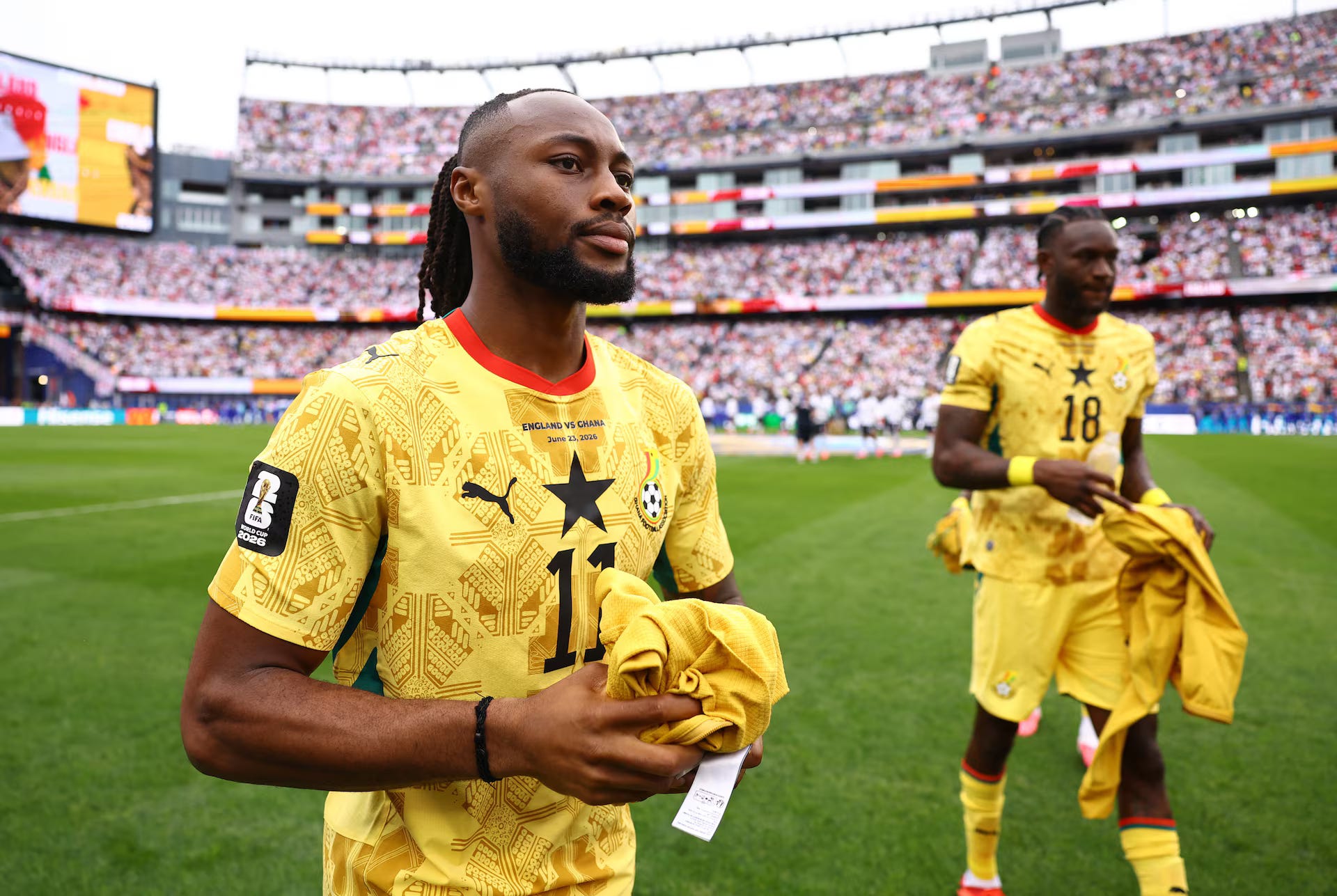
Semenyo feels built for this kind of match.
He does not need 10 touches in a move. He needs one good first touch, one defender leaning the wrong direction, and 30 yards of grass to attack. Croatia’s midfield is still talented, but it is not built to chase him in transition.
If Ghana score, it probably starts with a moment where Semenyo turns defense into attack before Croatia can reset.
Prediction: Ghana 2–1 Croatia
This feels like the moment the cycle finally catches up with Croatia.
They still have the midfield quality to control stretches of the match, but Ghana have looked more balanced, more athletic and more comfortable in the tournament so far. If Croatia dominate possession without creating enough clear chances, the game starts drifting toward exactly the type of match Ghana want.
One transition. One Semenyo run. One set piece. That might be enough.
Croatia have spent the better part of a decade surviving moments like this, which is exactly why picking against them feels dangerous. But eventually every generation reaches the match where experience stops being enough on its own.
I think this might be that match.
The game of the day, and I am absolutely not making a prediction.
This is the match.
Colombia versus Portugal in Miami. First place in Group K on the line. Two teams already good enough to cause problems in the knockouts, but still playing for a cleaner path.
Colombia enter with six points from six. Portugal enter with four. A draw is enough for Colombia to win the group. Portugal need to win.
That changes the match before the ball is even kicked. Colombia do not have to chase. Portugal do.
That does not mean Colombia will sit deep for 90 minutes, but it does mean Néstor Lorenzo’s team can be selective. Colombia are at their best when they can defend compactly, win second balls, and attack the space left behind. They do not need 65 percent possession to be dangerous. Honestly, sometimes they look better without it.
Portugal are the opposite in this matchup. They will want the ball, and they will probably have more of it. The question is whether they can turn possession into clean chances against a Colombian side that has become very comfortable defending in a mid-block.
Portugal have the individual quality to break any team. Bruno Fernandes can find passes most midfielders do not see. Bernardo Silva can slow the game down until a defender steps out of shape. Rafael Leão can turn a normal left-wing touch into a panic situation. Cristiano Ronaldo still changes how center backs position themselves, because even now, you cannot lose him in the box.
But Colombia are not easy to pull apart. The midfield is the key.
Gustavo Puerta might be the most interesting story in this Colombian midfield.
At 22, he plays with the confidence of someone who has been here for years. He presses aggressively, covers ground, wins second balls and moves possession forward quickly once Colombia recover it. Lorenzo trusts him because he gives Colombia energy without sacrificing structure.
Jefferson Lerma still provides the defensive presence and aerial strength that make this midfield work, but Puerta gives Colombia something different. He makes the game feel faster. Against a Portugal side that wants control through possession, that ability to turn a loose ball into an attack could become one of the biggest tactical battles of the night.
Then there is James Rodríguez.
I do not know how many times we are supposed to write the “James is back” story before admitting he never fully left in a Colombia shirt. He does not move like he used to, but he still sees the field earlier than everyone else. Against Portugal, he does not need to run the match. He needs to choose the right moments.
Luis Díaz is the obvious danger. Portugal can defend him with João Cancelo or Nuno Mendes depending on the setup, but the problem with Díaz is that the matchup is never just about the first defender. If he beats one player, Portugal’s midfield has to shift. If Portugal’s midfield shifts, James gets more room. If James gets more room, Colombia become Colombia.
That is the chain Portugal have to break.
Portugal’s concern is at center back, with Tomás Araújo reportedly doubtful. That matters because Colombia can attack in waves. Jhon Córdoba gives them physicality. Jhon Arias can drift inside and make the game messy. Colombia do not always need perfect attacking structure because they are so good at turning loose balls into pressure.
The tactical question for Portugal is how aggressive they want to be with their fullbacks.
If they push high, they can pin Colombia back and create overloads. If they lose the ball, Díaz and Arias will have space to run into. That is the whole match in one sentence.
Portugal need a win to top the group, but playing too open against Colombia is asking for trouble.
Colombia only need a draw, but playing too passively invites Portugal’s creators to spend the night around the box.
It is a beautiful problem.
Player to Watch: Luis Díaz
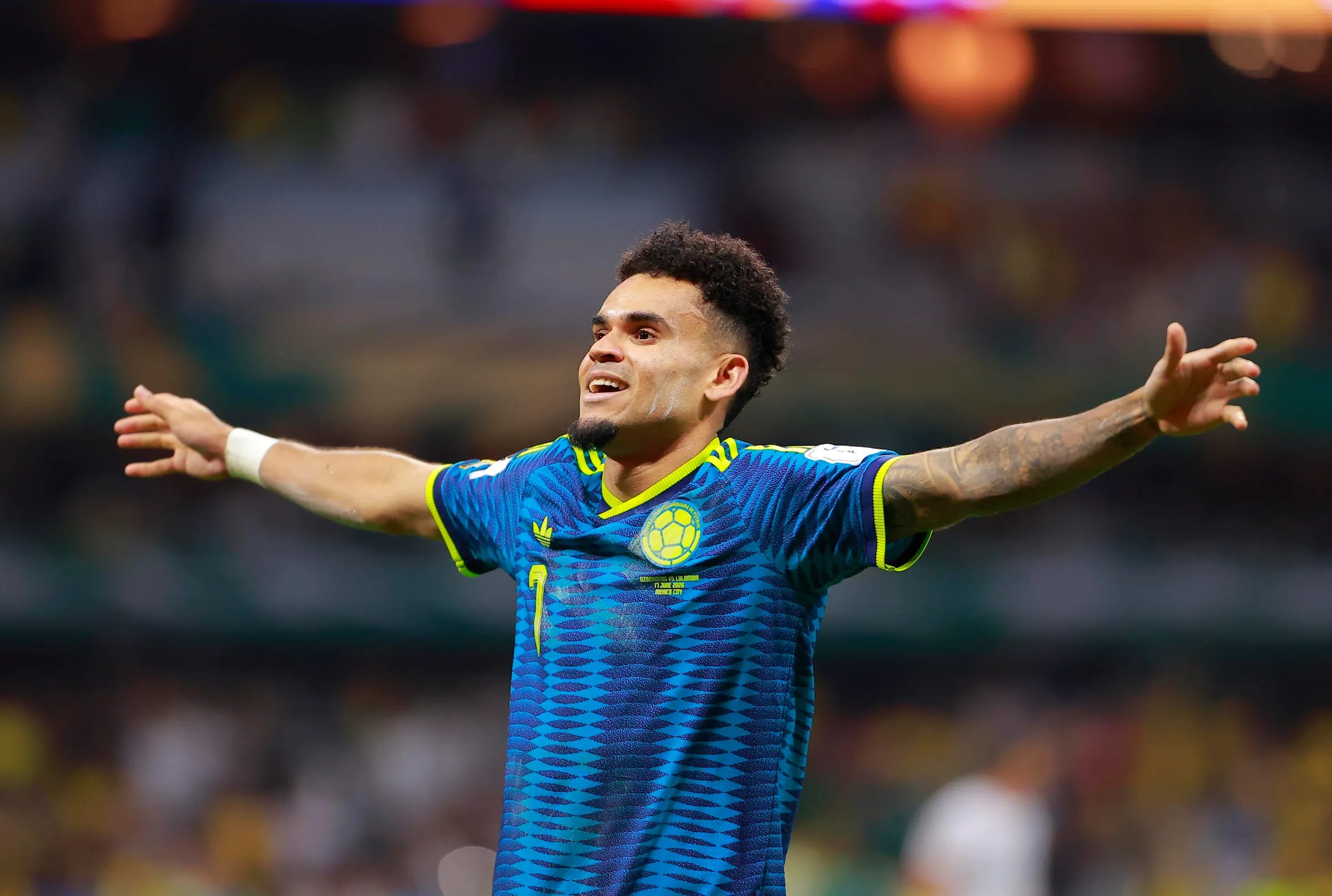
Every Colombia match has a moment where Díaz gets the ball and the entire stadium changes.
It is not always a goal. Sometimes it is a dribble that wins a corner. Sometimes it is a run that forces a yellow card. Sometimes it is just him pressing like he has decided the defender personally offended him.
If Colombia spend long stretches defending, Díaz has to make Portugal afraid of losing the ball. If he does that, the whole match changes.
Prediction:
Nope. Not doing it. I have watched enough of this sport to know better.
I will say this: Colombia do not need to prove they belong in this match. They already have. Tonight is about proving they can win a group against one of the deepest teams in the tournament and walk into the knockouts with everyone paying attention.
That is enough from me.
One team still believes. The other needs a miracle.
DR Congo and Uzbekistan play at the same time as Colombia and Portugal, which is honestly perfect.
Because while everyone is watching the top of Group K, the survival fight is happening in Atlanta.
DR Congo have one point from two matches. That draw against Portugal gave them life. The narrow loss to Colombia hurt, but it did not end them. A win over Uzbekistan could put them in position to qualify as one of the best third-place teams, depending on the final table.
Uzbekistan have no points and a brutal goal difference after losses to Colombia and Portugal. They are not mathematically finished yet, but the path is extremely narrow. They need to win, and even then, they need help that may not come.
That makes this match emotionally different for both teams.
DR Congo are playing with belief. Uzbekistan are playing for pride, history, and the slim chance that chaos gives them one more day.
Tactically, DR Congo should have the advantage because of their physicality. They can defend in a back five or shift into a more aggressive shape when chasing the game. Against Portugal and Colombia, they had to spend long stretches absorbing pressure. Against Uzbekistan, they should have more chances to step forward.
That is where Yoane Wissa becomes important.
Wissa gives DR Congo movement across the front line. He can run behind, drift wide, and press center backs into rushed decisions. Cédric Bakambu offers experience and penalty-box instincts. If DR Congo can get service into those two without forcing everything, Uzbekistan’s defense will have problems.
But DR Congo cannot get impatient. The danger in matches like this is that the team that needs a win starts playing like every possession has to become a shot. That leads to rushed crosses, bad turnovers and counterattacks.
Uzbekistan under Fabio Cannavaro will likely try to make the match smaller. After conceding heavily in the first two games, they need control. Expect them to look for Eldor Shomurodov as the outlet. He is still the player who gives Uzbekistan a chance.
DR Congo are carrying the weight of a country that has waited decades for a World Cup moment like this. Their president even publicly urged the team on before the match. That can inspire players, but it can also make the ball feel heavier.
They have to turn emotion into energy, not anxiety.
Player to Watch: Yoane Wissa
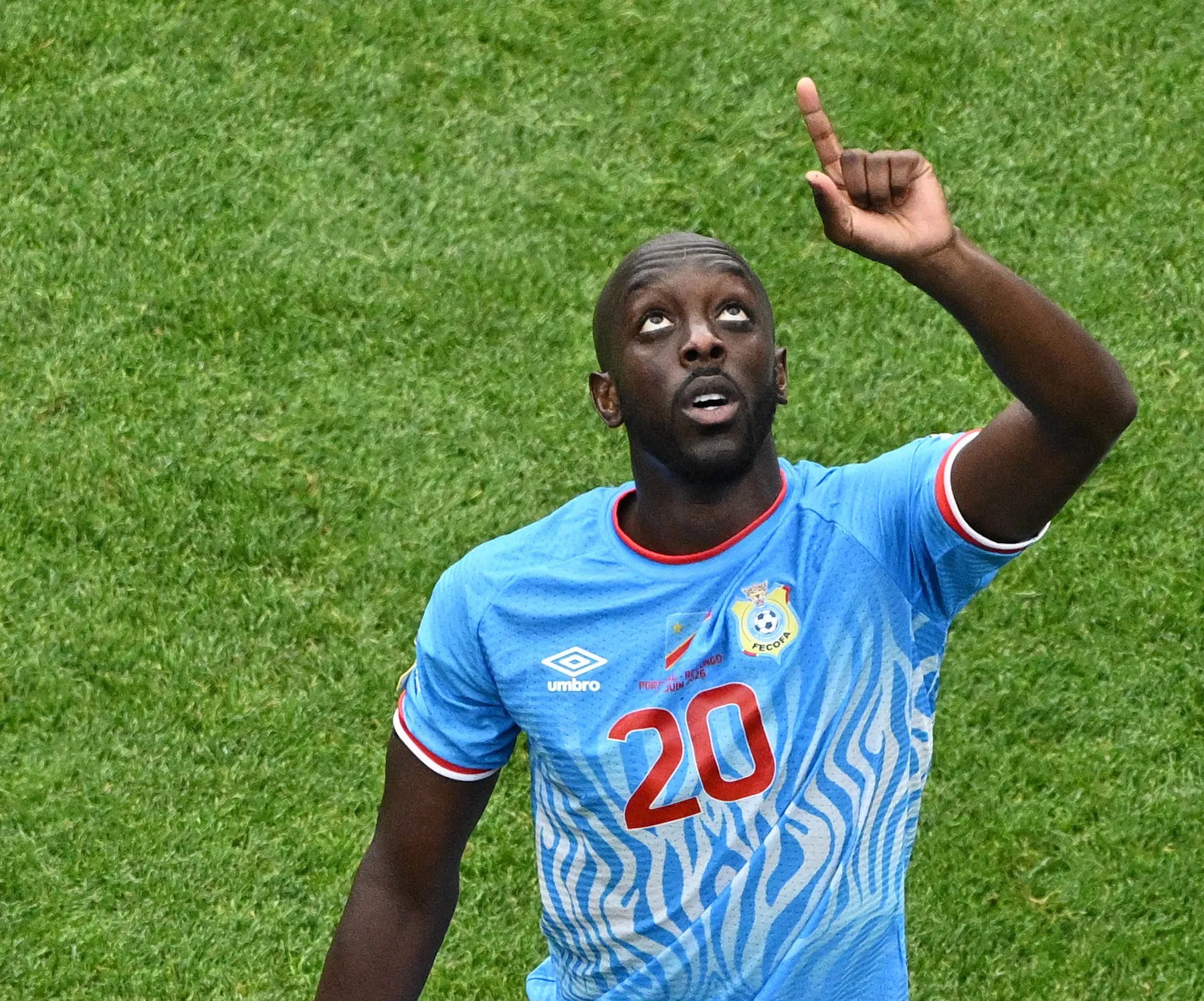
Wissa feels like the player most likely to decide this match.
Not because he needs to dominate possession, but because he attacks the exact spaces Uzbekistan have struggled to protect. If DR Congo win the ball and find him early, he can force Uzbekistan’s back line to defend facing its own goal.
That is when mistakes happen.
Prediction: DR Congo 2–0 Uzbekistan
Uzbekistan will fight, but DR Congo have more attacking variety and more belief entering the match.
I think they score once, calm down, and add a second when Uzbekistan have to chase.
Argentina can rotate and still look unfair.
Argentina have already won Group J. That is the simplest way to explain this match.
The more complicated version is that Argentina now have to balance rhythm, rest, health and respect for the competition. Lionel Scaloni has confirmed Lionel Messi will not start, which makes sense. Messi has already carried the group stage, Argentina are already through, and there is no reason to risk him from the opening whistle.
Still, this is Argentina.
Their rotated lineup could include players most countries would build around.
Julián Álvarez can start and give Argentina pressing, movement and finishing. Nico Paz can get minutes and offer creativity between the lines. Leandro Paredes can control tempo from deep. Nicolás Otamendi can bring experience in the back line if Cristian Romero is rested with his knee issue.
That is the luxury Argentina have. They can rest the greatest player ever and still field a team with structure, experience and attacking quality.
Jordan are already eliminated, but they deserve more respect than just being treated like Argentina’s warmup. This is their first World Cup, and even if the results have not gone their way, they have competed with pride.
Expect Jordan to defend deep.
They will likely protect the center, force Argentina wide, and look for Mousa Al-Tamari or Ali Olwan when they win the ball. Al-Tamari is the obvious one because of his pace and ability to carry the ball into space. If Argentina rotate heavily, there may be moments where their defensive spacing is not as sharp as usual.
The problem is that Argentina are excellent at turning defensive matches into patience tests.
They will circulate the ball, change the point of attack, pull defenders out of position, and wait for a gap. Even without Messi starting, they still have players who understand how to move between lines and manipulate a low block.
The biggest thing for Argentina is avoiding injuries.
This match should not become a battle. It should be professional, controlled, and calm. If Messi enters in the second half, it will probably be more about rhythm than necessity.
Argentina are treating a World Cup match like squad management, and they have earned the right to do it.
Player to Watch: Julián Álvarez
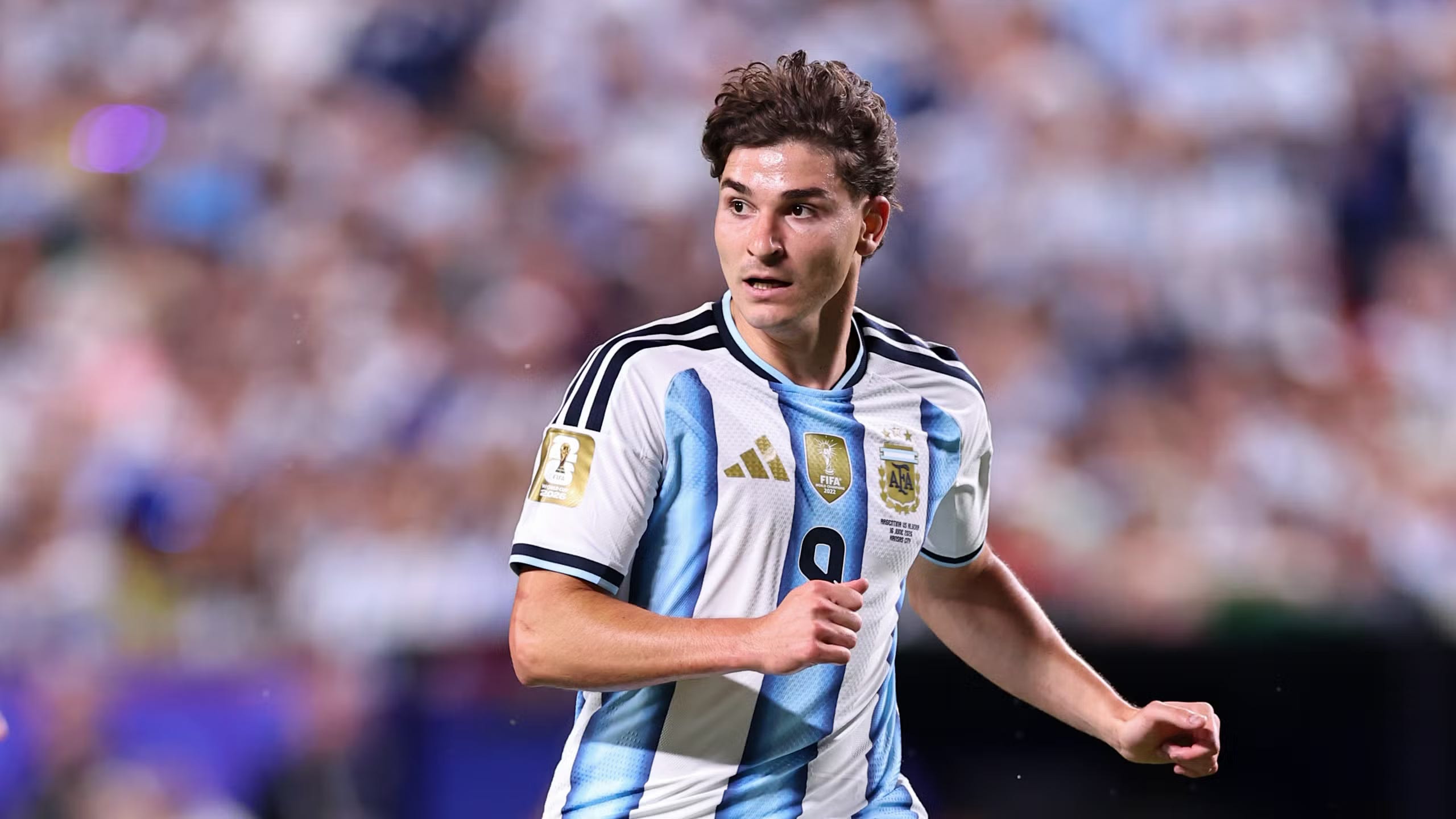
Álvarez is one of the best “give him any role and he will figure it out” players in the world.
He can lead the line, press as a forward, drift into the half-space, combine with midfielders and still arrive in the box like a striker. If Messi starts on the bench, Álvarez becomes the attacking reference point.
This is the kind of match where he can quietly remind everyone that Argentina’s future is still terrifying.
Prediction: Argentina 4–0 Jordan
Jordan will defend with pride and probably keep the match closer than some expect early on.
Argentina still have too much quality, even with rotation. A win, no drama, and then full focus on the knockouts.
The best late-night match might be in Kansas City.
This is the kind of World Cup match I love. Because the stakes are clear.
Austria and Algeria both enter with three points. Argentina have already won the group. Jordan are eliminated. That leaves Austria and Algeria fighting for second place and knockout security.
A win guarantees it. A draw likely helps Austria more because of goal difference, while Algeria would have to trust the third-place table. That does not mean Austria will sit back, and both teams have publicly dismissed the idea of playing for anything other than a win.
Good. Because this matchup deserves to be played straight.
Austria under Ralf Rangnick are one of the most tactically clear teams in the tournament. They press, they run, they compress the field, and they try to turn matches into repeated duels. That can be exhausting to play against. Their best moments usually come right after the ball is won.
Konrad Laimer is central to that. Marcel Sabitzer gives them passing and shooting from midfield. Christoph Baumgartner can arrive in dangerous spaces. Marko Arnautović, if involved, gives them presence and edge.
Algeria want something different.
They have technical players who can handle the ball, but they cannot afford to get dragged into Austria’s running contest for 90 minutes. The balance has to come from midfield.
They need Amine Gouiri and their wide players receiving in pockets where they can turn and attack, not with their backs to goal and two defenders already closing them down. Gouiri is especially important because he does not play like a traditional forward. He gives Algeria a way to break structure without needing a perfect team move. Against Austria, that matters.
Austria’s biggest advantage is collective timing. Algeria’s biggest advantage may be individual creativity. That makes this a fascinating contrast.
Player to Watch: Amine Gouiri
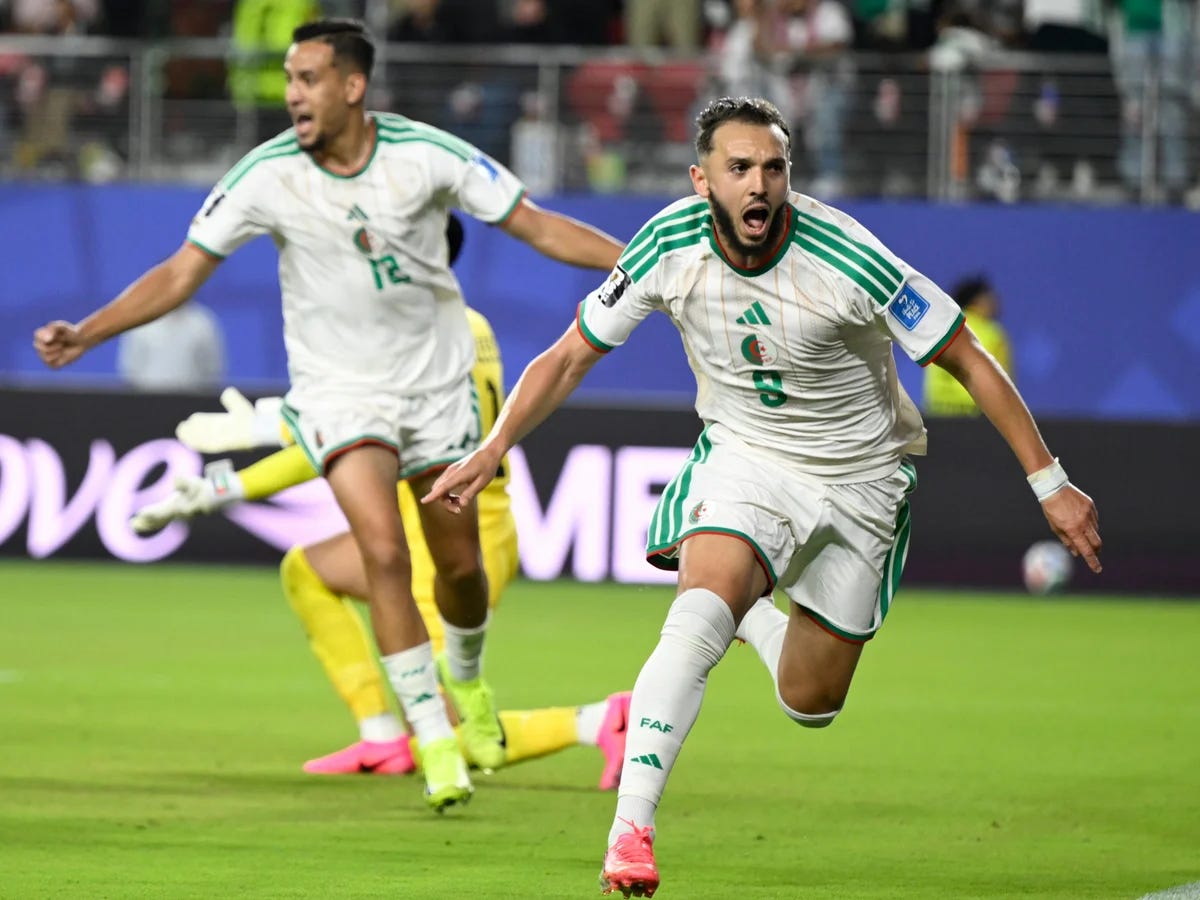
Gouiri feels like the Algerian player most capable of disrupting Austria’s structure.
He can receive between lines, pull defenders with him, and create shots from awkward positions. Against a team as organized as Austria, those little moments matter. You are not always going to pass through the press cleanly. Sometimes you need a player to improvise.
That is Gouiri.
Prediction: Algeria 1–1 Austria
I want to pick a winner, but the match feels too balanced.
Austria’s press will cause Algeria problems. Algeria’s technical quality will create enough danger to keep Austria honest. In the end, I think Austria manage the result, Algeria push late, and both teams spend the final minutes doing math.