

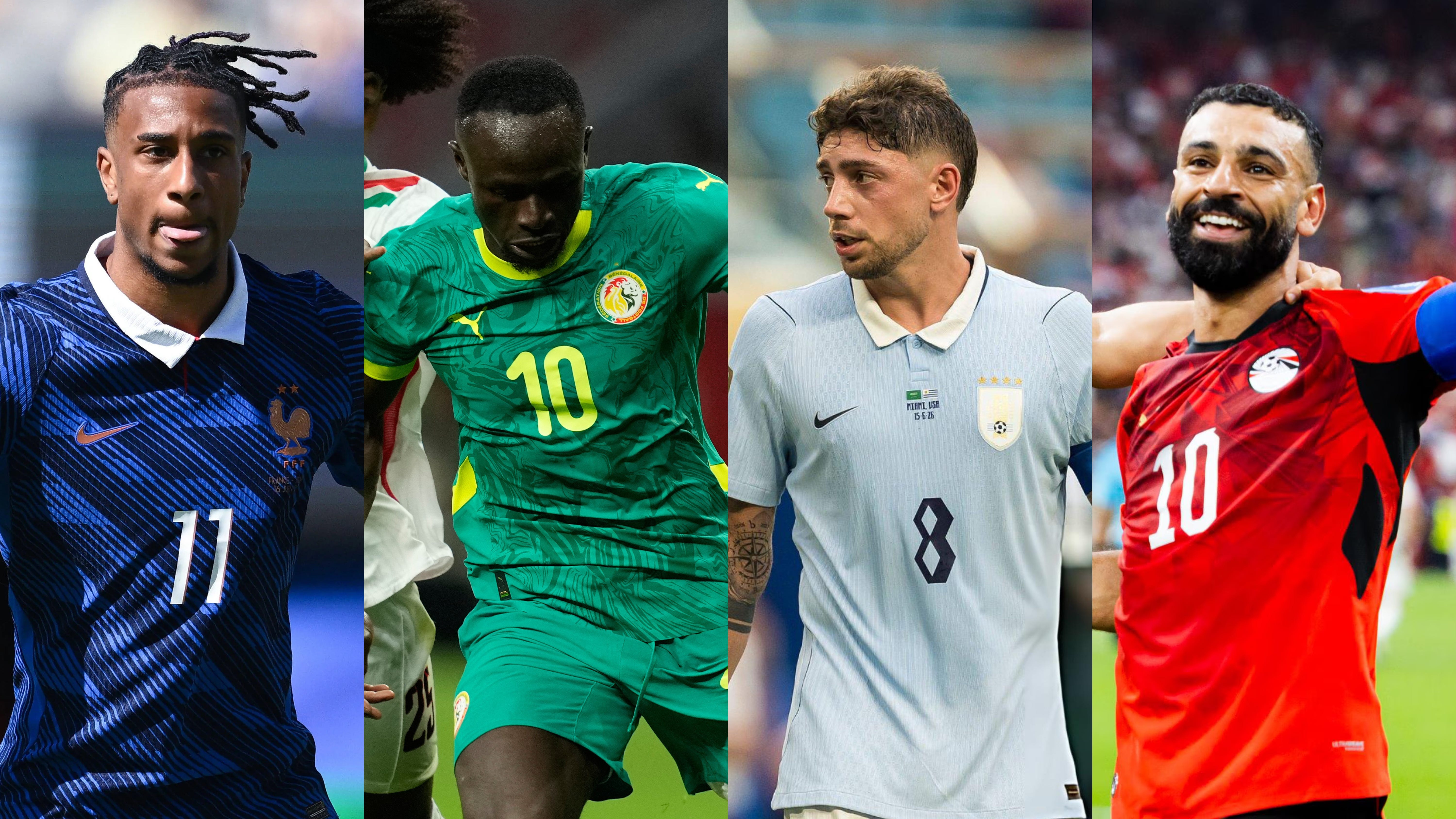
The World Cup started closing doors on Thursday.
Germany spent a week looking like one of the favorites before Ecuador reminded everyone how little the World Cup cares about momentum from three days earlier. Ivory Coast finally turned years of talent into results and booked a place in the knockout rounds. The Netherlands won Group F, Japan survived another difficult situation, and the United States learned that rotating heavily in the final group match sounds much easier than it usually is.
These are usually my favorite games of the group stage. There is something uniquely cruel and entertaining about watching teams spend two weeks building stories only for ninety minutes to decide which ones continue.
France Chases First Place While Norway Looks Ahead
France and Norway have already done the difficult part.
Both teams arrive in Boston knowing they will still be playing next week, but that doesn’t make first place meaningless. France only needs a draw to win Group I thanks to its superior goal difference, while Norway faces a more complicated decision between chasing first place and protecting legs for the knockout rounds. France also has an incentive to finish on top. Remaining in the northeastern U.S. rather than immediately flying south or west for the knockout rounds would simplify travel, recovery and preparation during a period of the tournament when margins become increasingly small.
Norway is approaching the match from a very different perspective.
Ståle Solbakken has spent most of the week talking about fatigue rather than ambition, and reports suggest that it will be reflected in the team selection. Multiple starters, including Erling Haaland, are expected to begin on the bench as Norway prioritizes freshness for the knockout rounds over the possibility of winning the group.
That does not make the evening any less interesting.
It simply changes the question from whether Norway can win Group I to whether its depth can prove strong enough to challenge one of the tournament favorites.
France enters under unusual circumstances of its own.
Didier Deschamps returned home earlier this week following the death of his mother and will miss the match, leaving longtime assistant Guy Stéphan in charge on the touchline. The French players have spoken about wanting to perform well in their manager’s absence, and there is an emotional layer to this game that would not normally exist in a match between two teams that have already qualified.
Mbappé enters the evening near the top of the Golden Boot race, while Norway’s focus appears set on the matches that come after this one.
The tactical battle itself is simple.
Norway has looked most dangerous when it can attack quickly before defenses settle into shape. The problem for Solbakken is that many of the players responsible for creating those moments are beginning this match on the bench.
France wants almost exactly the same type of game.
Kylian Mbappé remains devastating when defenders are forced to turn and run, Michael Olise has become one of France’s most important ball progressors, and the French midfield has enough athleticism to turn any moment into an attack immediately. The difference is that France can create those situations through more players and in more ways.
That is why the match feels so interesting tactically. Both want the same spaces. Only one gets to control them.
Player to Watch: Michael Olise
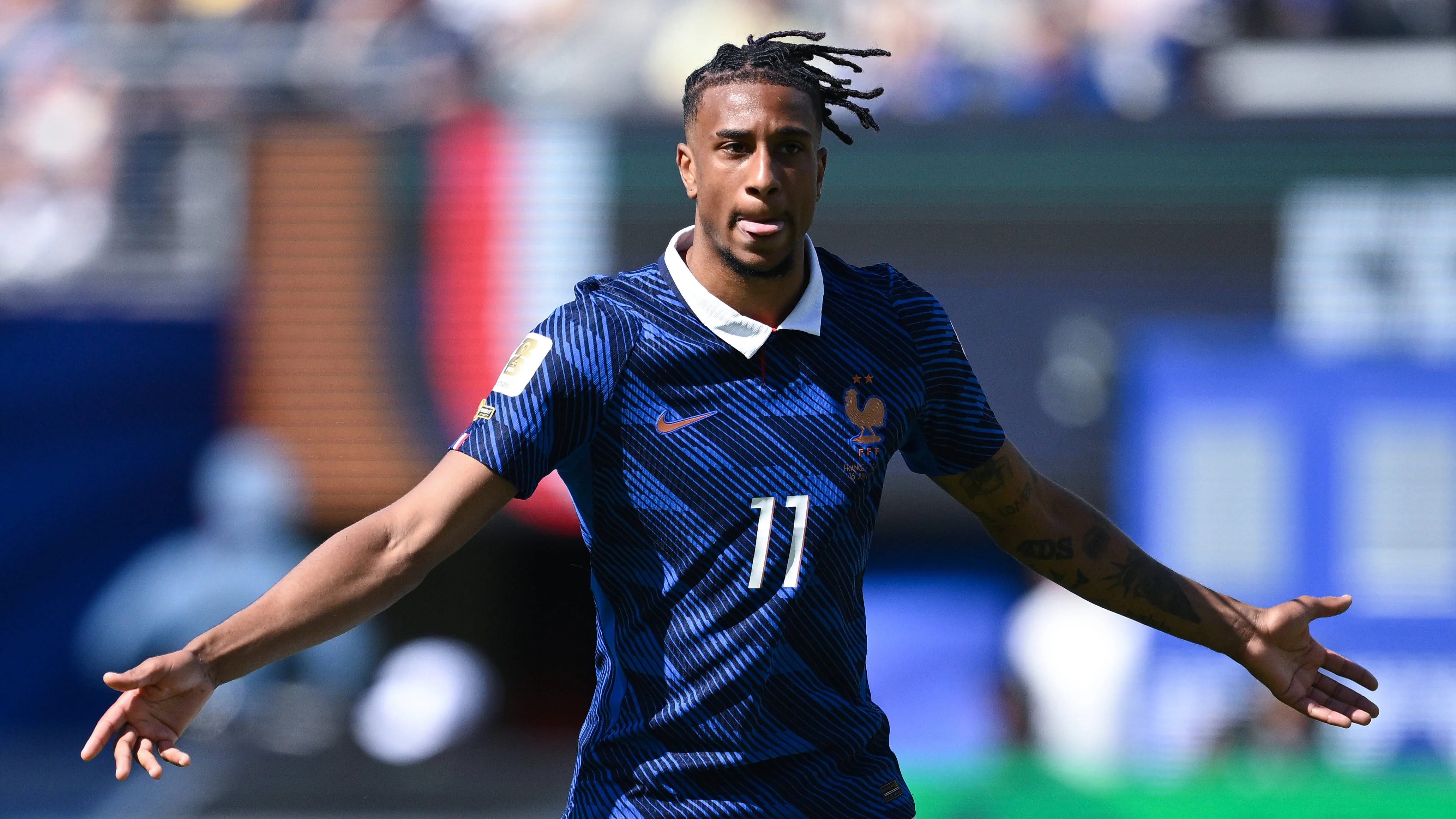
France already knew what Mbappé and Dembélé could provide in transition. What has made this team more dangerous with every match has been Olise’s ability to connect those moments before they happen.
Norway’s rotated lineup suggests the match may become compact for long stretches, particularly early on. That places even greater importance on the players capable of creating advantages before defensive structures can settle.
Olise has become one of France’s best players at doing exactly that.
His first touch regularly moves defenders out of position, his passing arrives earlier than opponents expect and his movement between the lines gives France another creator alongside Mbappé rather than another runner waiting for service.
Against a Norwegian side focused on surviving and preserving energy for the knockout rounds, that creativity could become the difference between a frustrating evening and a comfortable one.
Prediction: France 3–1 Norway
The expected rotation changes the match considerably. France was already the favorite. Asking a heavily rotated Norwegian side to win the group away from home against one of the deepest squads in the tournament feels like too much.
Norway has looked too organized throughout the tournament for me to believe France completely shuts them down, particularly if Solbakken turns toward his bench earlier than expected and introduces fresh legs late.
The problem is that France asks too many questions over ninety minutes.
The midfield has become more comfortable with every match, and the squad depth allows France to rotate without dramatically lowering the level on the pitch. Norway should create chances and probably enjoys moments where it looks competitive.
I just don’t think it has enough of those moments.
France gradually pulls away, secures first place and heads into the knockout rounds looking increasingly comfortable with where it is in the tournament.
Two Teams Arrive Needing the Same Result.
Neither team has a point. That makes this one fascinating.
Senegal entered the World Cup believing it could compete with France and Norway for qualification. Iraq arrived hoping to prove it belonged on this stage after one of the longest qualification campaigns of any nation in the tournament. Instead, both teams enter the final matchday knowing that anything short of victory almost certainly ends their World Cup.
Senegal coach Pape Bouna Thiaw has described the match as “a sort of final,” and it is difficult to disagree with him. Even a win leaves Senegal dependent on the third-place table and results elsewhere, but it at least gives the Lions of Teranga a chance to stay alive.
Questions around selections, federation decisions and the direction of the program have followed Senegal throughout the tournament, adding another layer to a match that already feels like an elimination game.
The biggest news surrounds Édouard Mendy.
The goalkeeper suffered a knee injury against Norway and has been ruled out, leaving Senegal without one of its most experienced players in a match where one mistake could end the tournament. Mory Diaw is expected to step in, but replacing Mendy’s command of the penalty area and ability to organize the defense is not something that happens instantly at a World Cup.
There is a difference between urgency and desperation, and teams in this position often confuse the two. Urgency means moving the ball faster, pressing more aggressively and attacking spaces before they disappear. Desperation usually looks like hopeful crosses, rushed decisions and defenders stepping forward at moments they shouldn’t.
Iraq would welcome that kind of match. The expanded World Cup format means Iraq still has mathematical reasons to believe, and the longer the match stays level, the more uncomfortable the evening becomes for the favorites.
Senegal has enough quality to control the game. The challenge is controlling itself.
Player to Watch: Sadio Mané
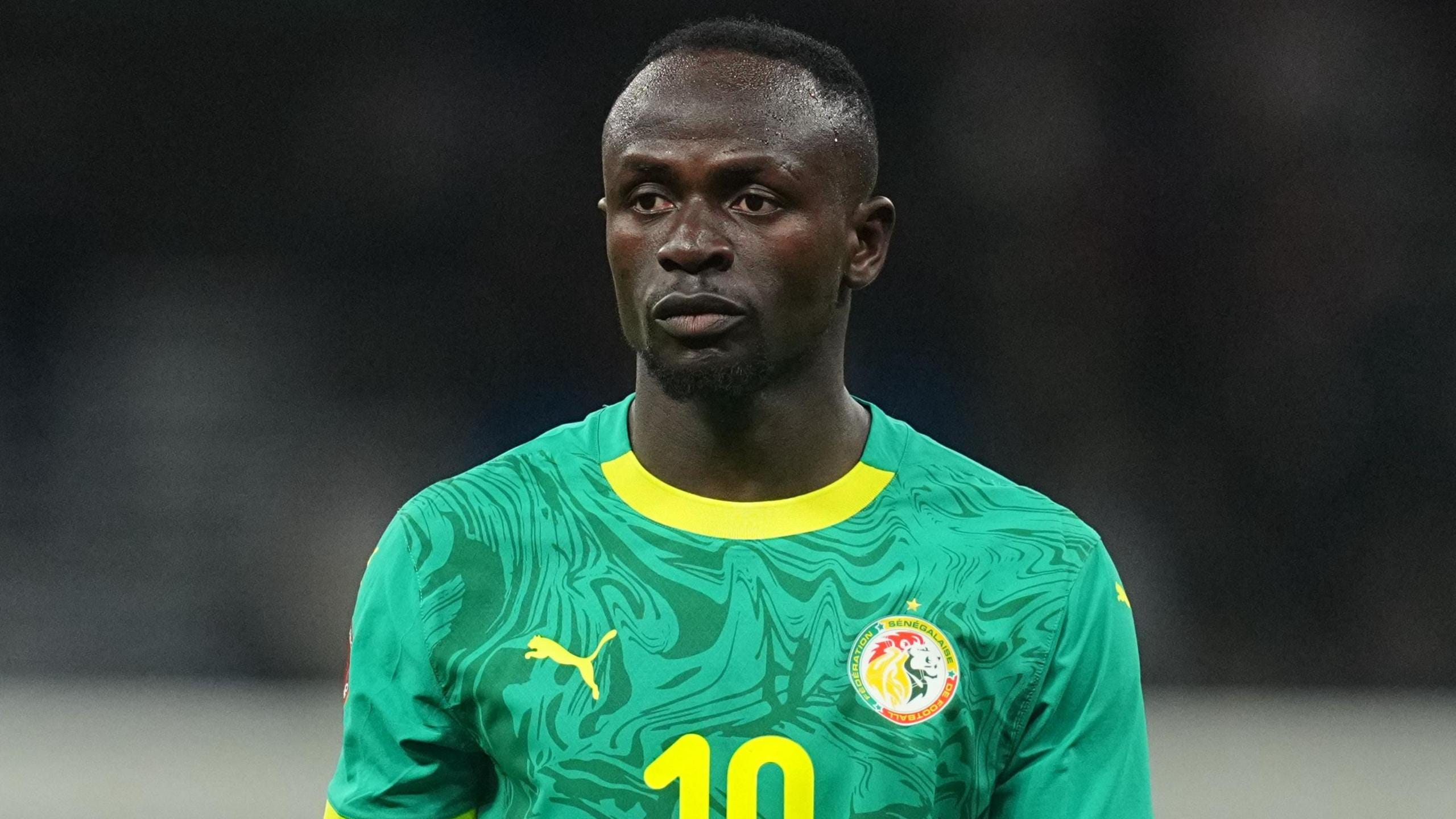
Senegal needs him to calm the match down.
The opening twenty minutes of games like this often become frantic because players understand the stakes before the ball is even kicked. Passes become rushed, shots arrive too early and teams start trying to win matches with every possession rather than over ninety minutes.
Mané has played in too many major tournaments to fall into that trap.
His movement inside from wide areas remains Senegal’s most reliable source of creativity, but his decision making may be even more important than his finishing.
There is also the question of leadership.
For much of the past decade, Senegal’s biggest moments have involved Mané delivering when the country needed him most. This is not quite that level, but it is close enough that everyone will look toward him if the match becomes tense late in the second half.
Senegal needs clarity. Mané is the player most likely to provide it.
Prediction: Senegal 2–0 Iraq
I still think Senegal wins.
There is too much athleticism, too much experience and too much attacking quality to pick against them in this specific matchup. Iraq has struggled to create chances against stronger opposition, and Senegal should control both possession and territory for long stretches of the match.
The first goal may take longer than Senegal wants, and there will probably be moments where frustration starts creeping into the performance. Eventually, though, the difference in individual quality should become impossible to ignore.
Senegal keeps its tournament alive for at least another few hours and forces the rest of the field to finish the job.
Bielsa’s Chaos Meets Spain’s Control.
Uruguay entered this tournament looking like one of the most interesting teams outside the traditional favorites.
Marcelo Bielsa had spent the better part of two years turning La Celeste into his style: aggressive without the ball, vertical with it and completely uninterested in allowing matches to become rhythmic. During qualifying, Uruguay beat Brazil, beat Argentina and looked capable of making life miserable for almost anyone willing to play slowly against them.
Two matches into this World Cup, that version of Uruguay still hasn’t fully arrived.
The draw against Saudi Arabia was frustrating. The 2–2 result against Cape Verde was even harder to explain. Uruguay created chances in both games and never looked completely overwhelmed, but neither match ever felt like it was being played on Uruguay’s terms.
Now comes Spain.
Luis de la Fuente’s side looked significantly more like itself against Saudi Arabia after the disappointing opening draw with Cape Verde. The midfield finally started receiving possession in the spaces Spain normally dominates. Lamine Yamal’s return changed the shape of the team (and the scoreline) immediately. Saudi Arabia struggled to decide whether to close him aggressively or protect the passing lanes behind him, and Spain exploited that repeatedly on its way to a victory.
That creates one of the most fascinating tactical battles of the group stage.
Uruguay wants the match moving quickly enough that mistakes occur. Spain wants the game moving at exactly the speed Spain chooses. One side wants transitions, second balls and recoveries high up the field. The other wants possession long enough to move opponents out of position before exploiting the spaces left behind.
Neither manager is likely to compromise. That is usually when international football becomes more entertaining.
If Uruguay’s press arrives right, Federico Valverde suddenly has room to carry the ball through midfield and Darwin Núñez can attack defenders who are moving toward their own goal rather than standing in front of him. If Spain escapes the first wave of pressure, Uruguay could spend long stretches chasing possession and expending energy without ever recovering the ball in dangerous areas.
Spain may be the worst possible opponent to press poorly.
Rodri is one of the best midfielders in the world at recognizing exactly where pressure is coming from and where it leaves space behind. Pedri has become one of the tournament’s most important pivots, while Yamal’s willingness to stay wide forces defensive structures to stretch in ways where teams get uncomfortable.
Player to Watch: Federico Valverde
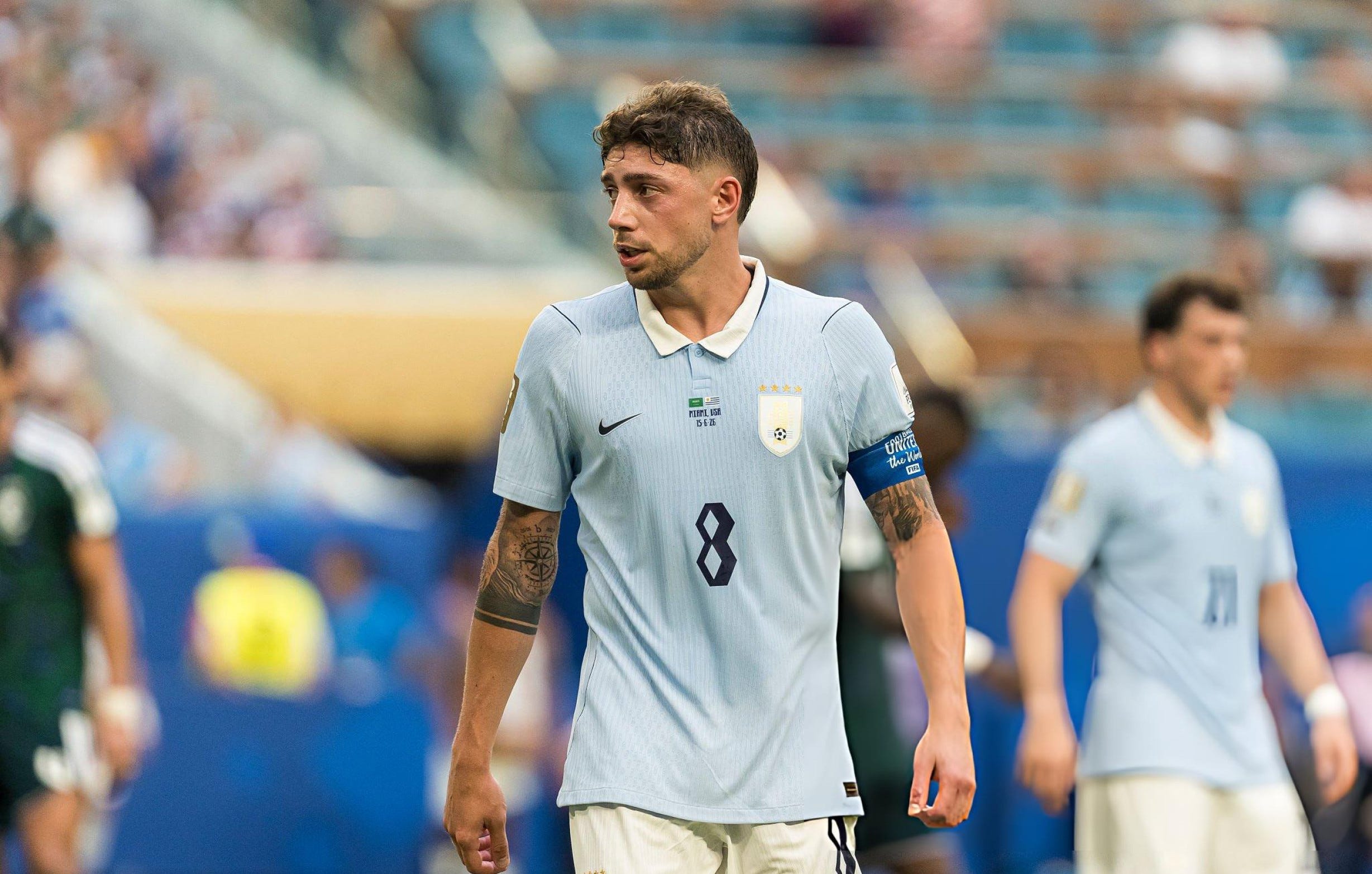
Federico Valverde carries a heavier tactical burden than the rest for Uruguay.
Against Spain, he has to solve multiple problems at once.
He has to help lead the press without leaving Rodri too much space in front of the defense. He has to become Uruguay’s outlet after recoveries so that the team can actually escape pressure once possession is won back. He also has to arrive quickly enough in attacking areas to support Darwin Núñez before Spain reorganizes behind the ball.
Most midfielders are asked to do one or two of those jobs. Valverde gets all three. There are not many midfielders in the world capable of carrying that responsibility. Valverde is one of them.
He has spent much of the tournament looking slightly restrained, almost as if he has been waiting for a game that demands his full range of abilities.
This feels like that game.
Prediction: Spain 2–1 Uruguay
I think Uruguay finally starts looking like Uruguay.
The press should be sharper, the midfield more aggressive and the energy levels considerably higher than they were against Cape Verde. Bielsa’s teams usually become more dangerous as the stakes increase rather than less, and there is enough quality in Valverde, Núñez and the players around them to create problems for any defense left in the tournament.
I also think Spain is an incredibly difficult team to chase.
If Uruguay falls behind, Spain’s ability to control possession becomes a major problem. Rodri and Pedri are perfectly comfortable turning five minutes into ten and ten minutes into fifteen if it means forcing opponents to spend energy without touching the ball. That becomes especially dangerous late in matches when legs start getting heavy and defensive distances become slightly larger.
Uruguay should create opportunities. Spain probably creates more.
The Blue Sharks Are Ninety Minutes From History.
Cape Verde entered its first World Cup happy to compete.
Two matches later, draws against Spain and Uruguay have left the Blue Sharks in a position almost nobody expected. Neither result felt fortunate. Cape Verde defended brilliantly against Spain’s possession, absorbed pressure without losing shape and looked comfortable on a stage that overwhelms many first-time participants.
The draw against Uruguay may have been even more impressive.
Bubista’s side not only matched Uruguay physically but repeatedly found opportunities to attack the spaces left behind by Bielsa’s press. The 2–2 result was built on a game plan that worked. That changes the conversation around this match entirely.
Saudi Arabia still has a path to the knockout rounds, but the 4–0 defeat against Spain exposed defensive issues that had been hidden during the opening draw with Uruguay. Spain found space between the Saudi midfield and defense, while the fullbacks struggled whenever they were isolated against wingers.
Cape Verde knows this.
The Blue Sharks have looked most dangerous when opponents are forced to push numbers forward and leave room behind them. Saudi Arabia enters needing a result, which means the match could eventually drift toward exactly the type of game Cape Verde wants to play.
Cape Verde has already proven it can defend. Now it has to prove it can finish the job.
Player to Watch: Ryan Mendes
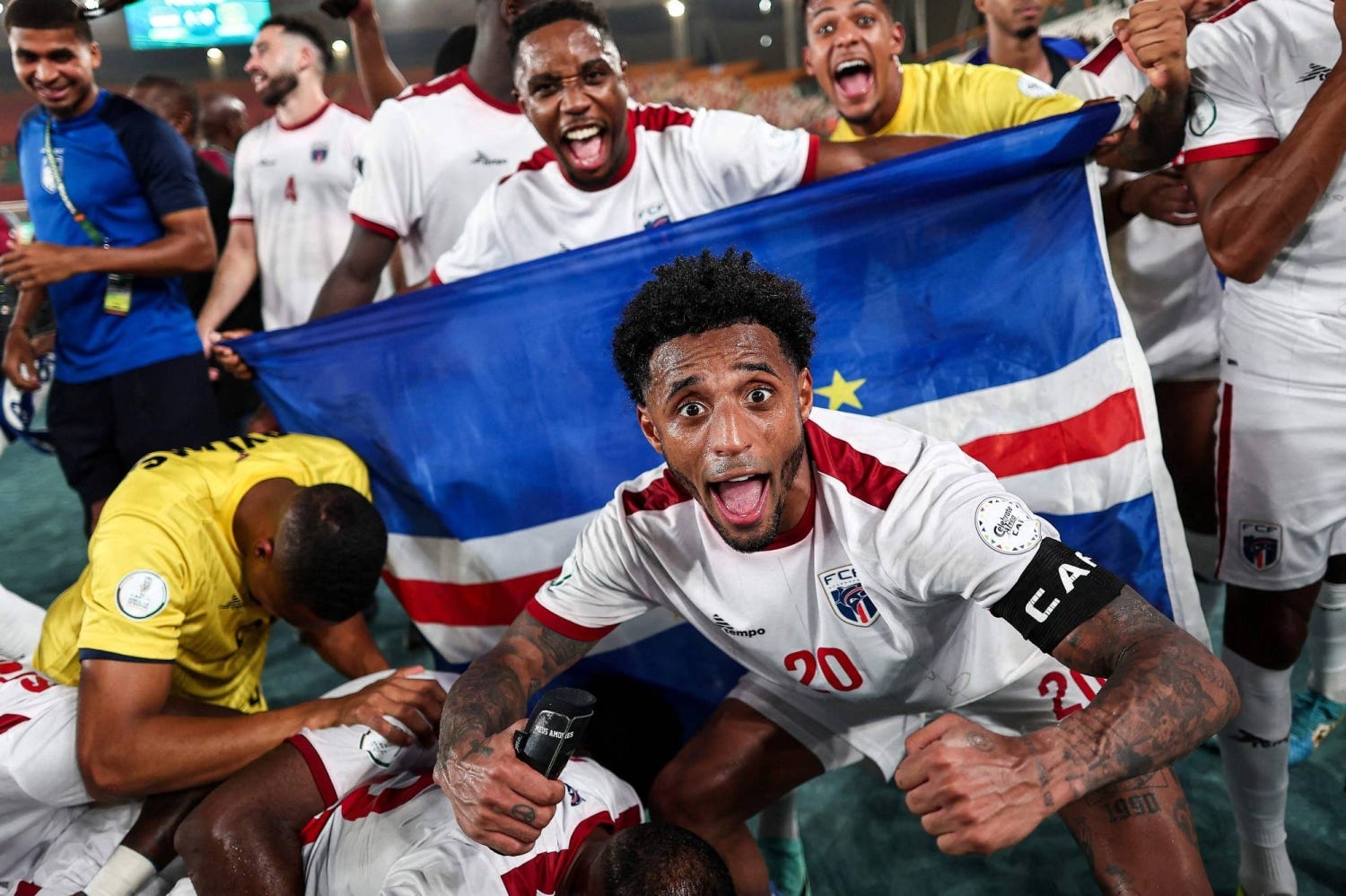
In this match, experience matters almost as much as talent.
Cape Verde needs Ryan Mendes to make the right decisions at the right moments.
World Cup matches involving underdogs often become emotional quickly. Players try to force spectacular passes, rush shots or attempt to solve problems individually that should be solved collectively. Mendes has played too much football to fall into that trap.
His movement between the lines has become one of Cape Verde’s most important attacking weapons.
The experience matters too. Cape Verde has never played a match this big. Mendes has played enough important matches to understand that the occasion only becomes overwhelming if players allow it to become overwhelming.
Sometimes leadership in football looks like goals and assists. Sometimes it looks like knowing when to slow the game down.
Prediction: Cape Verde 3–2 Saudi Arabia
This is the prediction I have changed the most over the last twenty-four hours.
The safe prediction is a draw.
The more I think about the match, the more I think it opens up.
Saudi Arabia needs a result and cannot spend ninety minutes defending. Cape Verde has shown through two matches that it is far more dangerous than many expected before the tournament began. The moment one team scores, the other has to take risks.
That usually creates goals.
Saudi Arabia has enough attacking quality to find a couple of them, particularly through wide areas where Cape Verde occasionally leaves space behind its fullbacks when pushing numbers forward.
I just trust Cape Verde’s structure slightly more.
The Blue Sharks have looked calmer, more organized and more comfortable with their identity than almost anyone expected entering the tournament. They have already held Spain and traded punches with Uruguay.
Winning a five-goal match against Saudi Arabia suddenly does not sound impossible at all. It sounds exactly like the kind of result this World Cup has been producing.
Belgium Needs Answers. New Zealand Wants Another Surprise.
Romelu Lukaku remains one of international football’s most productive strikers, Kevin De Bruyne is still capable of controlling matches almost by himself, and the next generation led by Jérémy Doku has given Belgium an athleticism it lacked during the final years of the golden generation.
Two matches into the tournament, none of that has translated into victories.
The draw against Egypt was frustrating because Belgium controlled possession without creating enough chances. The scoreless draw against Iran was even more concerning because the attack looked predictable. Too many possessions ended with crosses into crowded penalty areas or hopeful efforts from distance rather than attempts that genuinely unsettled opponents.
That leaves Belgium entering the final matchday needing a result rather than managing one.
The return of Doku helps.
Rudi Garcia confirmed that both Doku and Lukaku are available after dealing with illness and fitness concerns, although Doku is expected to begin on the bench after missing a week of training while Lukaku continues working back toward full fitness. Even limited minutes from either player dramatically changes Belgium’s attacking profile because both force defenders to make decisions rather than simply maintain shape. Garcia specifically pointed to Doku’s ability to change games in short bursts, which probably tells us exactly how Belgium plans to use him if the match remains level deep into the second half.
New Zealand enters with less expectation but just as much to play for.
The All Whites have embraced the tournament’s upset trend all week, pointing to Ecuador’s win over Germany and Cape Verde’s draw with Uruguay as reminders that reputation disappears once matches begin. Darren Bazeley’s side has been remarkably disciplined through two matches, defending compactly and forcing opponents into wider areas rather than allowing combinations through the middle.
The challenge for Belgium is obvious. Possession will not be enough. Belgium has already had possession.
Belgium now needs goals.
New Zealand will happily concede territory if it means protecting central areas and limiting opportunities inside the box. The longer the score stays level, the more comfortable New Zealand becomes and the more nervous Belgium probably gets.
That is often how tournaments start creating stories nobody expected.
Player to Watch: Jérémy Doku
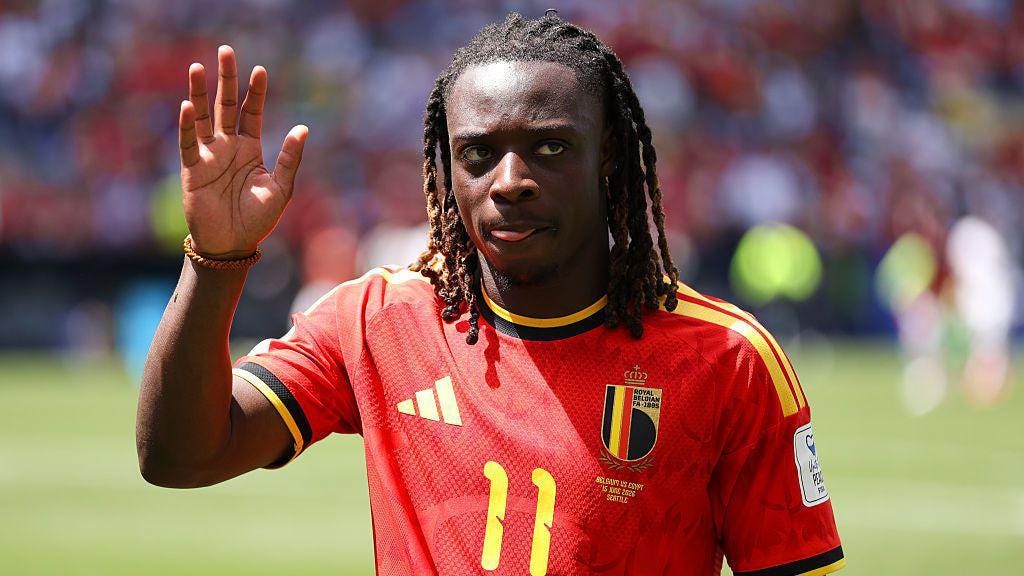
Belgium’s biggest problem has been unpredictability.
The attack has looked like eleven talented players waiting for someone else to take the first risk. Doku changes that immediately because he is one of the few players in world football who does not need a passing sequence or extended minutes to generate danger.
Sometimes all he needs is one defender. Against a low block, that matters a lot.
New Zealand will likely defend with numbers behind the ball and ask Belgium to play around them. Doku changes that because defenders cannot simply shift from side to side while maintaining shape. Eventually somebody has to step toward him, and the moment that happens, the spaces Belgium has been struggling to find suddenly begin appearing.
Tournament football often changes because one substitute enters with fresh legs against defenders who have already spent an hour concentrating. Doku feels like exactly that kind of player.
Prediction: Belgium 2–0 New Zealand
Chris Wood gives the All Whites a genuine outlet, particularly on set pieces and transitions, and the confidence inside that squad should not be underestimated after the way smaller nations have performed throughout this tournament.
I still trust Belgium over ninety minutes.
The quality gap remains significant, and the return of Doku and Lukaku gives Garcia more solutions than he has had available so far. Belgium probably becomes frustrated by New Zealand’s defensive structure before eventually finding the breakthrough that changes the complexion of the match.
Once that first goal arrives, the game should open. That is exactly what Belgium has been waiting for.
Group G Saved Its Biggest Match for Last
Egypt enters the final matchday with four points after drawing Belgium and beating New Zealand. Iran enters with two after consecutive draws.
That means Egypt can approach the evening patiently. Iran cannot.
If Iran pushes numbers forward too early, Mohamed Salah and Omar Marmoush become devastating in transition. If Iran waits too long, Egypt grows increasingly comfortable with the scoreline and begins forcing Iran to take even bigger risks.
Neither scenario feels ideal for the Iranians. That tension is what makes the match worth watching.
Egypt has looked like one of the more balanced teams in the group stage. The attack has looked dangerous without becoming overly dependent on Salah creating everything himself. Marmoush’s emergence has changed the entire conversation around this team.
For years, opponents could commit extra defenders toward Salah because Egypt lacked another attacker capable of consistently punishing the spaces left behind. Marmoush changes that equation completely. The more attention Salah receives, the more opportunities appear elsewhere.
Iran has built its tournament differently.
The draw against Belgium was one of the most disciplined defensive performances of the tournament, and Amir Ghalenoei’s side deserves enormous credit for remaining organized against a team that spent its time camped around the penalty area.
The problem is that defending and chasing a victory are not always compatible ideas. At some point, Iran will need to attack. Which means spaces will appear.
The timing of those moments will decide the group.
Player to Watch: Mohamed Salah
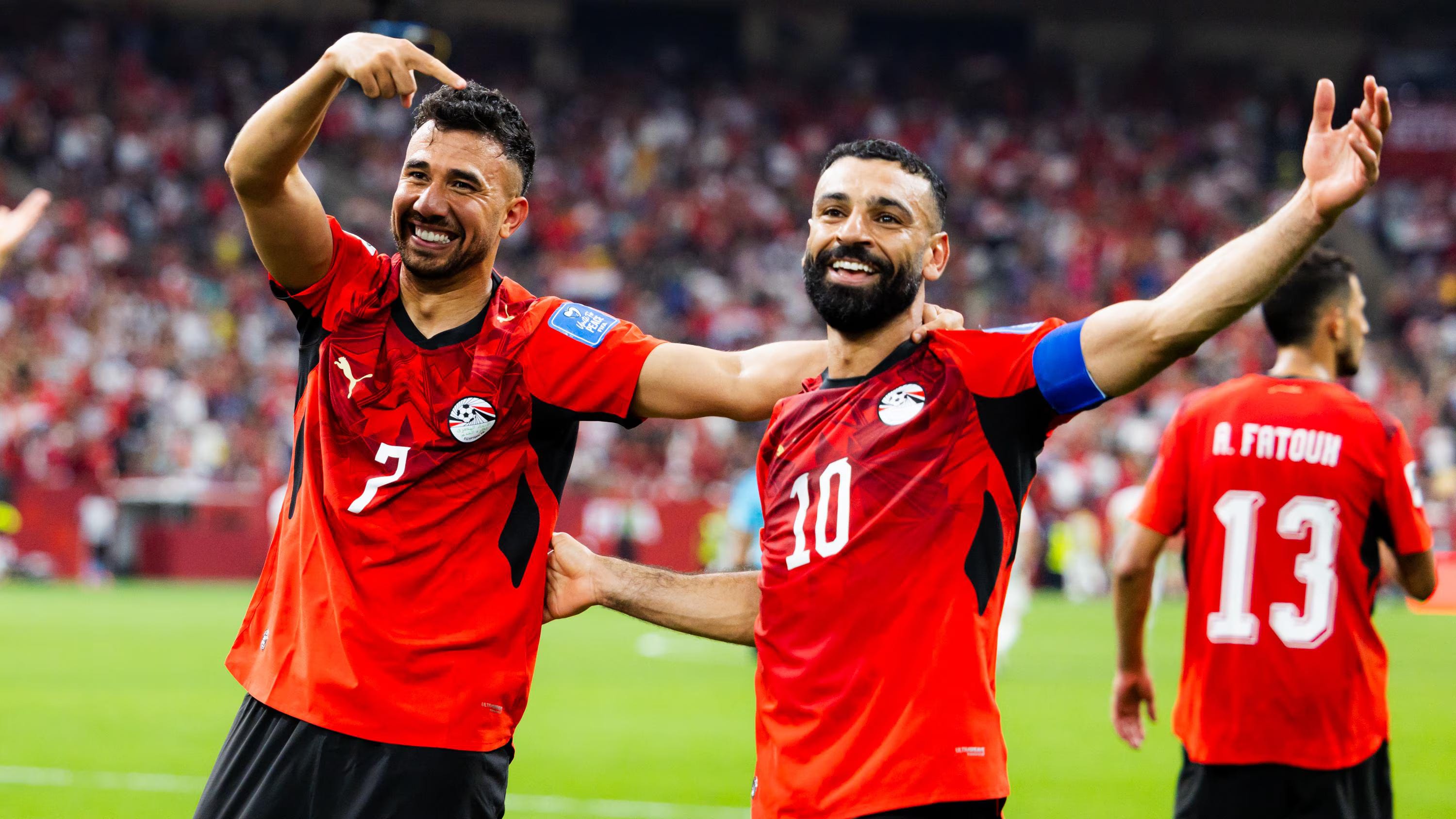
Iran knows exactly where the danger is coming from. That does not make stopping him easier.
The challenge for Egypt is finding him facing goal rather than receiving possession with defenders already waiting to close him down.
That is where Marmoush becomes so important.
The more defenders commit themselves toward Salah, the more opportunities Egypt creates elsewhere. If Iran chooses to double team him near the touchline, central spaces begin opening for runners arriving from midfield. If Iran protects those spaces instead, Salah receives more one-on-one situations than most opponents are comfortable allowing.
Sometimes great players create danger without touching the ball. Salah has become exceptionally good at that part of the game as his career has evolved. His experience may matter as much as his finishing.
Prediction: Egypt 2–1 Iran
The draw against Belgium showed exactly how disciplined and frustrating Iran can be when matches develop on its terms. Egypt may struggle to create clear chances, and Iran has enough attacking quality to punish mistakes if Egypt becomes impatient.
I still have Egypt winning.
Salah and Marmoush give the Pharaohs two players capable of attacking the exact spaces Iran will have to leave behind, and Egypt has looked more balanced than almost anyone expected entering the tournament.
Iran should have moments. Egypt feels better equipped to survive them.