

To Scott and everyone else who has been reading along: apologies for disappearing for a few days. Traveling back to the United States after covering matches in Mexico, combined with an unfortunate stomach bug, meant Days 11 through 13 never got written the way I wanted them to.
So consider this a catch-up edition.
We’ve got statement wins, surprise results, knockout scenarios starting to take shape, and Colombia playing a match that suddenly feels a lot bigger than it did a week ago.
Let’s get back to it.
Early in the tournament, every game feels like an introduction. Now, every result changes the math. Some teams are already through. Some are almost there. Others are one mistake away from spending the final group match hoping for help from somewhere else.
Since Day 10, the tournament has moved quickly.
The Netherlands turned a tricky-looking match against Sweden into a statement, winning 5–1 behind braces from Brian Brobbey and Cody Gakpo. Sweden had looked dangerous after scoring five against Tunisia, but the Dutch made them look ordinary. That is the kind of result that changes how people talk about a team. The Netherlands looked like a team that might be growing into the tournament.
Germany also found a way, but in a very different style. Ivory Coast led through Franck Kessié and looked capable of handing Germany a real problem. Then Deniz Undav came off the bench, scored twice, and gave Germany a 2–1 win that felt more useful than the 7–1 opener against Curaçao. Easy wins are fun. Comebacks tell you more.
Ecuador, meanwhile, missed a huge opportunity. A 0–0 draw with Curaçao left them with one point from two matches and no margin for error. Curaçao deserves credit, especially after losing heavily to Germany, but Ecuador entered this tournament with real dark-horse energy. Right now, that feels much further away.
Japan closed Day 10 by making history in the 1,000th men’s World Cup match. Even without Takefusa Kubo, Japan beat Tunisia 4–0 and looked organized, confident, and ruthless. Daichi Kamada stepped into a bigger role, Japan’s depth showed, and Tunisia’s tournament continued to fall apart.
Then Day 11 added even more.
Spain finally woke up, beating Saudi Arabia 4–0 with Lamine Yamal scoring his first World Cup goal and Mikel Oyarzabal responding after a quiet opener. Belgium and Iran played out a 0–0 draw that left Belgium still searching for rhythm. Cape Verde somehow did it again, holding Uruguay to a 2–2 draw after already taking a point from Spain. Kevin Pina scored the country’s first World Cup goal, Hélio Varela equalized after halftime, and Cape Verde remained unbeaten through two matches against Spain and Uruguay.
That sentence still sounds fake. It is not.
Egypt finished the day by making history of its own. After falling behind to New Zealand, Egypt came back to win 3–1 for its first-ever World Cup victory. Mohamed Salah scored, assisted, and gave Egypt the kind of night it had waited generations to experience.
Day 12 kept the pressure going.
Argentina beat Austria 2–0, and Lionel Messi made more history because apparently that is just what he (still) does now. He missed an early penalty, then scored twice anyway, moving to 18 career World Cup goals and standing alone at the top of the tournament’s scoring chart. Argentina is through to the knockout rounds, and Messi still looks like the center of everything.
France had to wait through a long weather delay against Iraq, but once the match resumed, the result felt inevitable. Kylian Mbappé scored twice in a 3–0 win, Ousmane Dembélé added another, and France joined the group of teams already looking comfortable. The halftime delay lasted more than two hours because of thunderstorms and lightning, but France never really lost control.
Norway then survived one of the best games of the round, beating Senegal 3–2. Erling Haaland scored twice, Marcus Pedersen added another, and Norway reached the knockout stage for the first time since 1998. Senegal fought, Ismaïla Sarr scored twice, and the match had the kind of late tension that makes group-stage moments feel bigger than it should. But for Senegal, it was another painful result.
Jordan and Algeria closed the night with everything on the line, and for a moment, Jordan looked ready to pull off something special. Nizar Al-Rashdan gave Jordan its first-ever World Cup lead in the first half, but Algeria responded after the break.
Nadhir Benbouali equalized from a Riyad Mahrez corner before Amine Gouiri scored the winner late to secure a 2–1 victory. Jordan’s World Cup debut will end in the group stage. Algeria, meanwhile, is back in the race and heads into a decisive final match against Austria with knockout hopes still alive.
Now attention turns to today.
Portugal needs a response. England and Ghana meet with control of Group L on the line. Croatia and Panama are trying to save their tournaments. Colombia can take a major step toward the knockout rounds. The pressure is here.
Portugal Needs to Look Like Portugal
Portugal’s first match was not a disaster. But it was close enough to make people uncomfortable.
A 1–1 draw with DR Congo was not what anyone expected from a team with this much talent. Portugal had the ball, created chances, and still never fully settled into the match after the opening stages. The problem was that Portugal lost structure once DR Congo started pushing back.
Uzbekistan already gave Colombia a difficult match, even in a 3–1 loss. They pressed, competed, scored the country’s first World Cup goal, and showed they are not here just to enjoy a debut. Teams like that can make favorites uncomfortable if the favorite starts slowly or becomes impatient.
Portugal should still win this match. The talent gap is obvious. Cristiano Ronaldo, Bruno Fernandes, Bernardo Silva, and Rafael Leão give Roberto Martínez more than enough quality to control the game.
Portugal should also have Rúben Dias back after he missed the opener, which matters for a team that looked less settled than expected against DR Congo.
Portugal needs to remind people why it entered the tournament as one of the favorites.
Player to watch: Bruno Fernandes
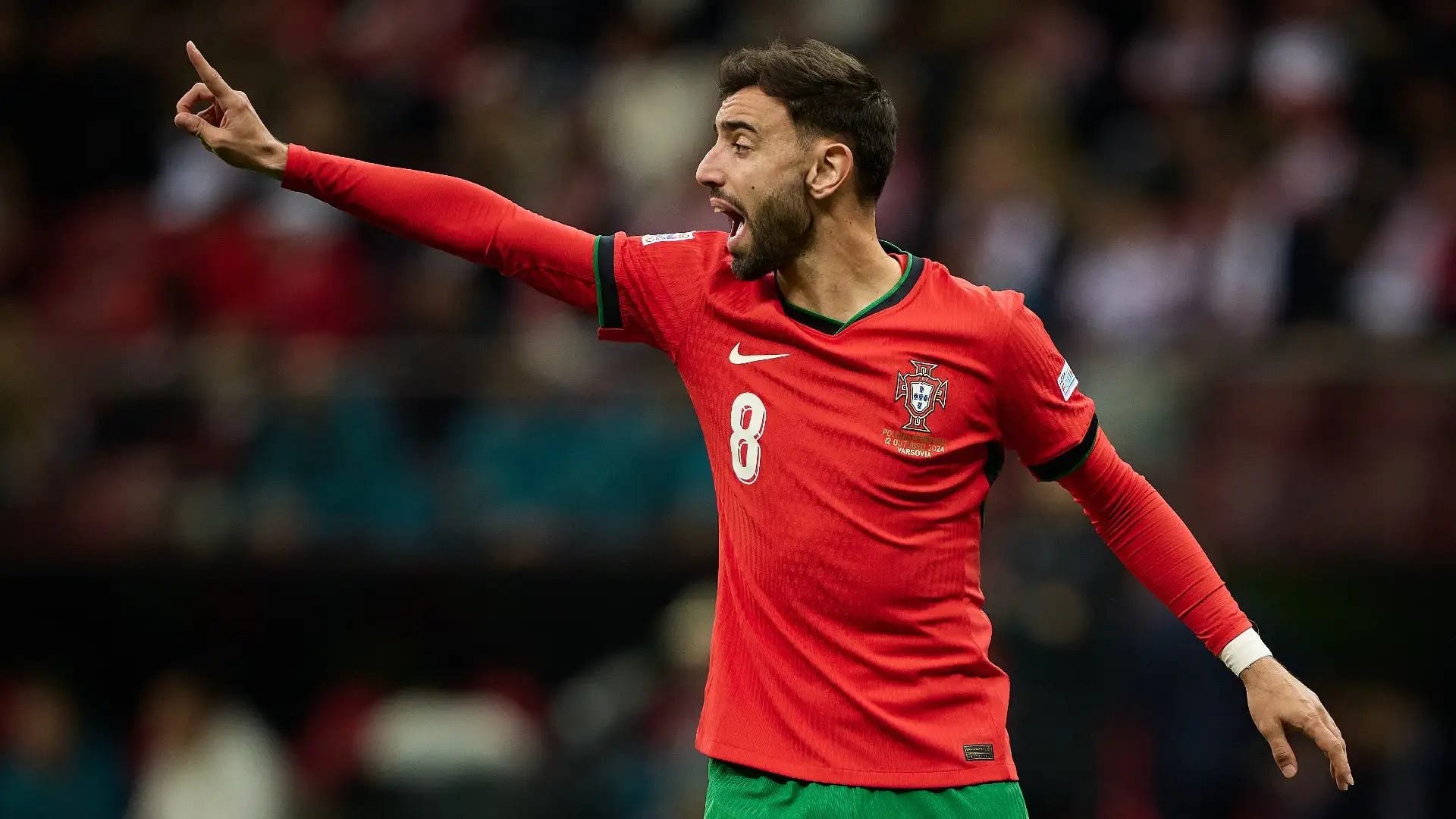
Cristiano Ronaldo will always draw the attention. But this match feels like it belongs to Bruno Fernandes.
Portugal needs control and better decision-making in the final third. Bruno is the player most capable of giving them all three. He can switch play, find Ronaldo early, arrive at the edge of the box, and punish Uzbekistan when they leave spaces.
Against DR Congo, Portugal looked dangerous in moments but not always connected. Bruno has to connect them. If he plays well, Portugal should look much closer to the team everyone expected.
Prediction: Portugal 2–0 Uzbekistan
I expect Portugal to respond.
Uzbekistan will compete, and they have already shown they can make talented teams work. But Portugal has too many players who can decide a match, and the pressure from the opening draw should sharpen them.
This feels like a controlled win rather than a blowout. Portugal gets the result it needs.
Control of Group L Is Waiting
England’s opener was fun. It was also messy.
A 4–2 win over Croatia gave England three points and plenty of confidence. Harry Kane scored twice, Jude Bellingham looked influential, and Thomas Tuchel’s team showed the kind of attacking variety England supporters have been waiting to see at a major tournament.
But the defensive issues were real.
Croatia caused problems, especially in transition, and Tuchel has already admitted England needs to defend better. That matters against Ghana because Ghana is not going to try to play like Croatia. Ghana will be direct, physical, and dangerous on the counter. They already beat Panama 1–0, and while that performance was not perfect, three points gave them a real opportunity.
The winner of this match takes control of Group L.
England has more quality. Ghana has enough pace and belief to make the match uncomfortable. If England plays with the same attacking confidence and better defensive control, it should win. If it loses shape, Ghana has the tools to punish them.
England also enters this one without major injury concerns, with Bukayo Saka back in full training after his Achilles issue.
Player to watch: Jude Bellingham
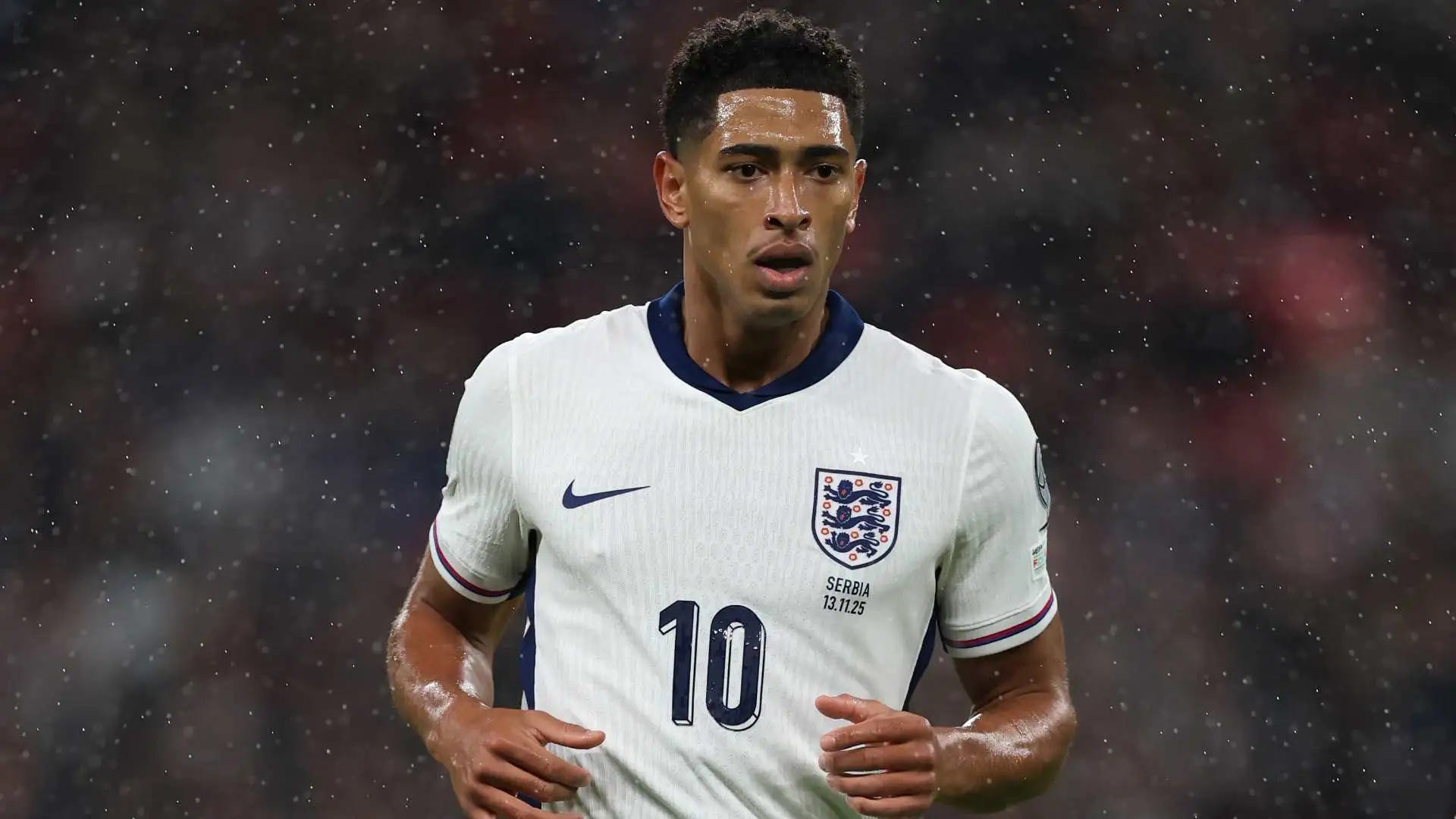
This is the kind of match where Bellingham’s influence matters in both directions.
England needs him to connect midfield and attack, arrive in dangerous areas, and help Kane avoid being isolated. But they also need his energy without the ball. Ghana will look for transition moments, and Bellingham’s ability to press, recover, and slow counters could be just as important as anything he does in the final third.
There are games where he becomes a scorer. There are games where he becomes the emotional center of the team. This might need a little bit of both.
Prediction: England 2–1 Ghana
Ghana will make this hard.
They have pace, physicality, and enough attacking quality to force England into uncomfortable moments. Antoine Semenyo and the wide players can test England if the spaces open.
But England has too many ways to score.
Kane, Bellingham, Rashford, Saka, Foden, Gordon; whoever starts, the attacking depth is real. I think Ghana scores or at least makes England sweat, but England eventually finds enough control to win.
Last Chance for Control
This is the game where the tournament can start slipping away.
Panama lost 1–0 to Ghana. Croatia lost 4–2 to England. Neither team is out, but both know the situation. Another defeat would make the final group match feel almost impossible.
Croatia has more experience, more tournament history, and more technical quality. Even after the England loss, there were moments where Croatia looked capable of causing problems. The issue was not whether they could play. The issue was whether they could handle England’s speed and pressure for long enough.
Panama’s challenge is different. They need to find a goal.
The Ghana match was close, but close does not mean much if you leave with nothing. Panama will likely try to stay compact, frustrate Croatia, and hope the match becomes tight enough for one moment to matter.
That is the danger for Croatia. If they score early, the game could open. If they do not, nerves will grow.
Player to watch: Luka Modrić
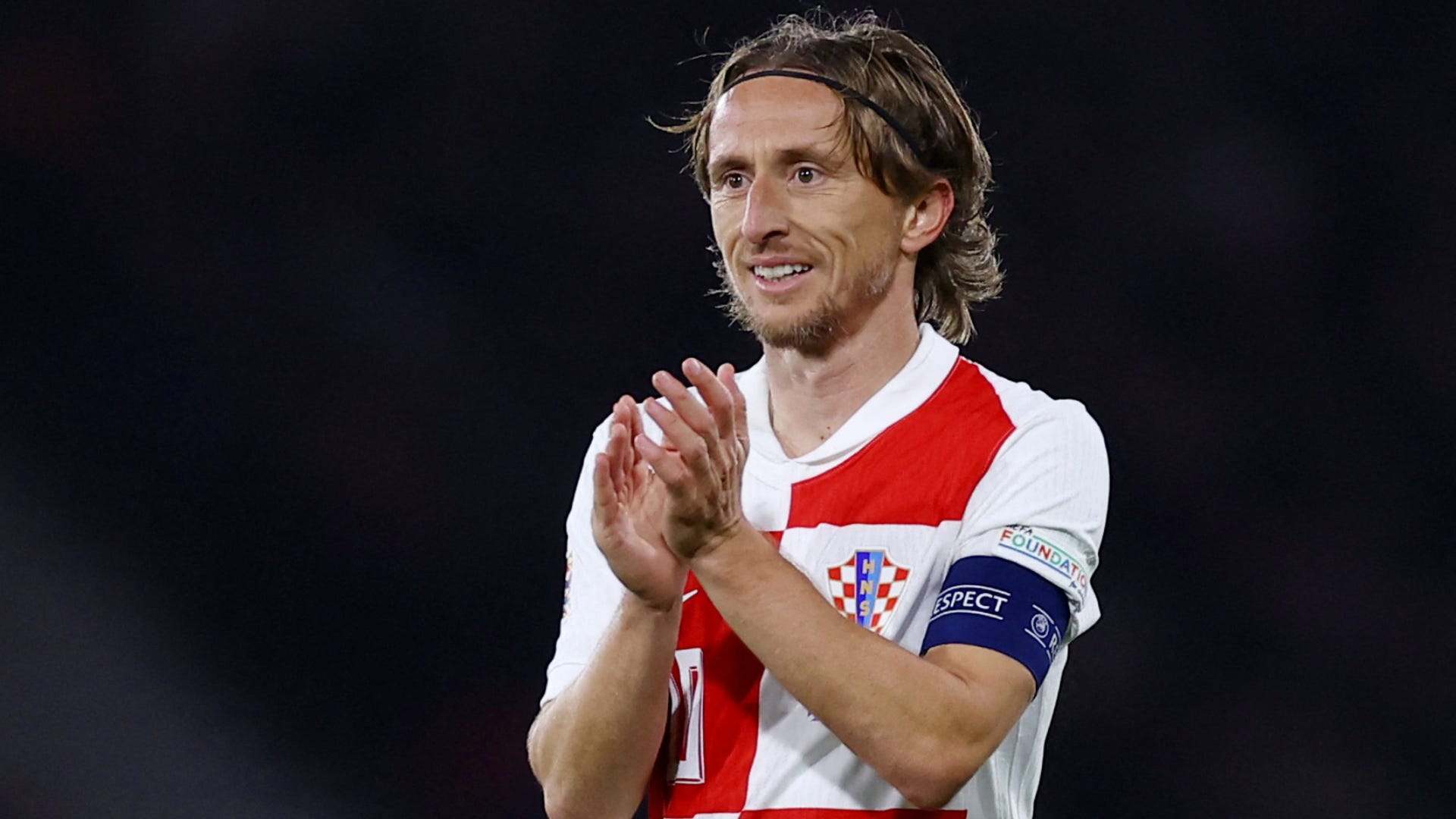
At some point, every tournament gives Modrić one more test. This one is about control.
Croatia needs him to slow the match down, dictate tempo, and keep the team from becoming desperate. Against England, Croatia had moments but could not fully manage the game. Against Panama, they should have more of the ball. That puts the responsibility on Modrić to make sure possession becomes chances.
He does not need to run the match the way he did ten years ago. He just needs to manage it better than everyone else.
He usually does.
Prediction: Croatia 2–0 Panama
Croatia should win.
Panama will fight, and they are good enough defensively to make this annoying. But Croatia has more quality in midfield, more experience in tournament pressure, and more ways to create chances.
This feels like a professional and experienced response. Not spectacular. But necessary.
Hot Heart, Cool Head
After missing Qatar 2022, Colombia has a chance to book its place in the knockout rounds. That is not something I take for granted.
Colombia returned to the World Cup with a 3–1 win over Uzbekistan that was not perfect but was encouraging. They had to respond to pressure, stay calm after uncomfortable moments, and trust their quality.
That matters because DR Congo will not be easy.
They held Portugal to a 1–1 draw in their opener and showed exactly why they are dangerous. They can defend in numbers, attack quickly, and turn one transition into a problem. Coach Néstor Lorenzo has already warned Colombia about DR Congo’s 5-3-2 shape and counterattacking threat.
He is right to be careful.
This is the kind of match Colombia should win, but it is also the kind of match that can become complicated if emotions take over. Colombia will likely have more of the ball. DR Congo will likely wait for mistakes. The longer the match stays level, the more dangerous it becomes.
Lorenzo’s message is the right one. Hot heart. Cool head. That feels like the perfect way to describe Colombia at a World Cup.
Player to watch: Luis Díaz
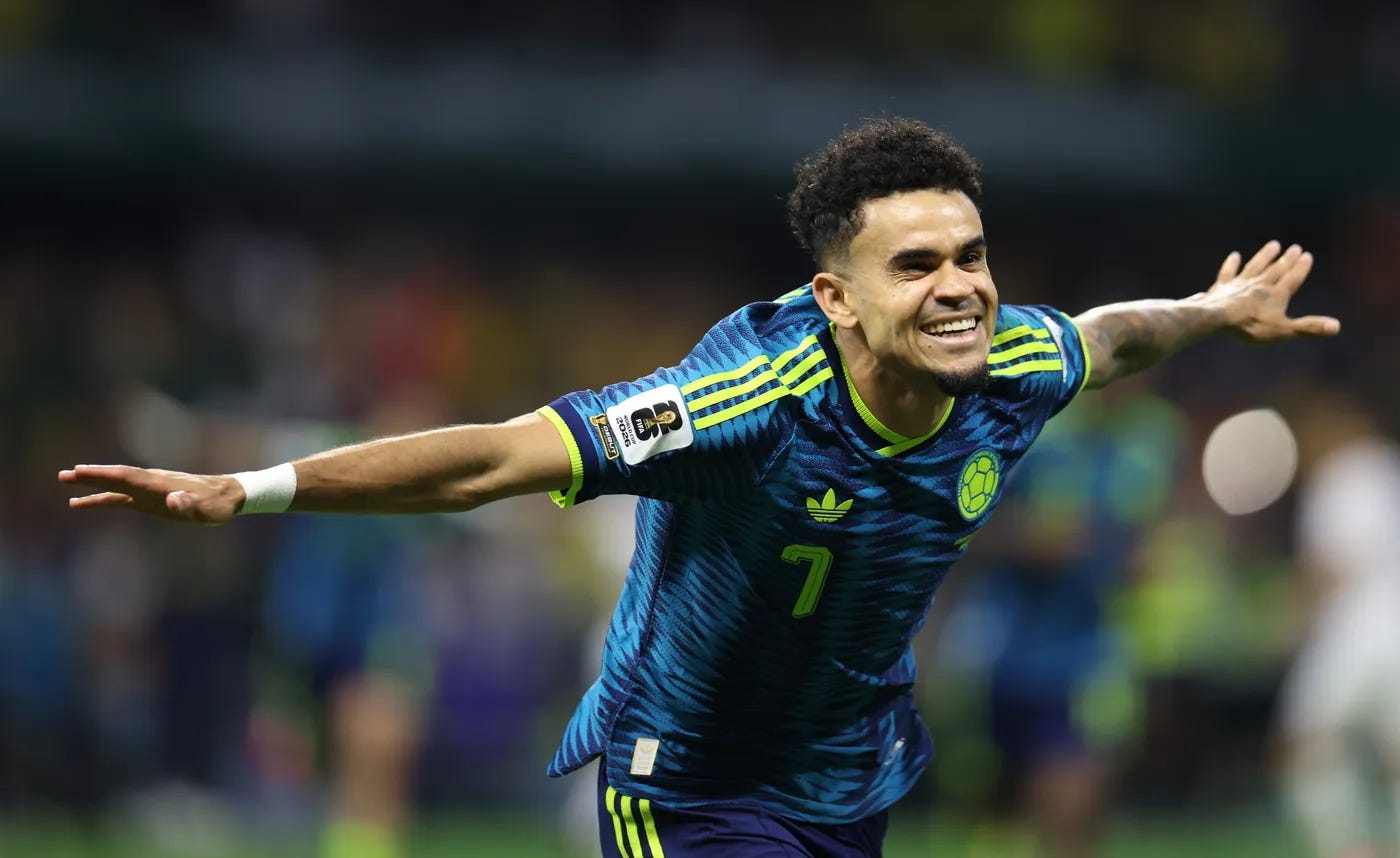
Luis Díaz was excellent in the opener, scoring and assisting in a match where Colombia needed someone to keep attacking even when things got uncomfortable.
This game may ask for something different.
Against DR Congo, Díaz will have to be patient. He may not get constant space. He may face a back line designed to limit transition chances and force Colombia into slower buildup. That means his decision-making matters as much as his explosiveness.
When to take on defenders. When to combine. When to shoot. When to wait.
Díaz is Colombia’s most dangerous player, but he is also becoming more than that. He is becoming the player opponents fear before the match even starts.
That is a different kind of responsibility.
This is usually the part where I tell you what I think will happen.
But Colombia matches are different.
I’ve spent this entire tournament trying to analyze everything: formations, matchups, players, trends, who has the edge and why.
For ninety minutes tonight, I don’t really want to do that.
I want to hear the anthem. I want to see the yellow shirts take over another stadium. I want to celebrate every tackle like it matters too much and complain every time Colombia tries one pass too many.
There are plenty of people who can tell you what Colombia should do. Tonight, I just want to watch what they actually do.
And hopefully, by the end of the night, we’re all singing again.
The group stage is moving fast, and the teams that hesitate are starting to pay for it. Portugal needs a response. England needs control. Croatia needs survival. Colombia needs maturity.
That is the word that keeps coming back. Maturity. Not just talent. Not just emotion. Not just stars.
The teams that understand the moment without being overwhelmed by it are the teams that move forward. Today will tell us who is ready.