

Opening games can lie. A great first performance can disappear quickly. A bad one can be fixed. But once teams play their second match, the tournament becomes less about introductions and more about consequences.
Day 9 gave us that.
The United States proved it could win without Christian Pulisic, beating Australia 2–0 in Seattle and qualifying for the Round of 32 with a group match still to play. It was not the most beautiful performance, but it might have been one of the most important for the USMNT. Cameron Burgess’ own goal gave the Americans the lead, Alex Freeman added a second before halftime, and the U.S. kept its first clean sheet in eleven matches.
Brazil also got the response it needed. After opening with a draw against Morocco, the five-time champions beat Haiti 3–0 behind two goals from Matheus Cunha and another from Vinícius Júnior. Haiti competed, but Brazil looked like Brazil again.
Morocco continued to show that 2022 was not a one-time story, beating Scotland 1–0 after Ismael Saibari scored just 71 seconds into the match. Scotland improved after halftime, but Morocco’s early quality and defensive control were enough.
Then Paraguay saved its tournament and ended Türkiye’s.
Matías Galarza scored after just 64 seconds, Miguel Almirón was sent off in the second half, and Paraguay somehow survived 32 Turkish shots to win 1-0. It was chaotic, desperate, emotional, and exactly the kind of match that reminds you why the World Cup can be so cruel.
Now Day 10 arrives with two groups that could look completely different by the end of the night.
The Group F Test Arrives Early
This might be the best match of the day.
Sweden opened its tournament with a 5–1 win over Tunisia, one of the most convincing performances of the first round. The Netherlands, meanwhile, had to settle for a 2–2 draw against Japan after conceding late. The result did not ruin the Dutch’s aspirations, but it did make this match feel much bigger.
The Netherlands has talent everywhere. That has never been the question.
Ronald Koeman’s team wants to control matches through possession and structure, but Sweden does not need the ball to hurt opponents. Viktor Gyökeres and Alexander Isak are good enough to punish a single mistake, and Sweden looked killer in transition against Tunisia.
That’s why this game is so interesting. Is Sweden really one of the most dangerous teams in Group F? Are the Netherlands ready to be taken seriously as contenders?
Those questions will be asked today.
Player to watch: Viktor Gyökeres
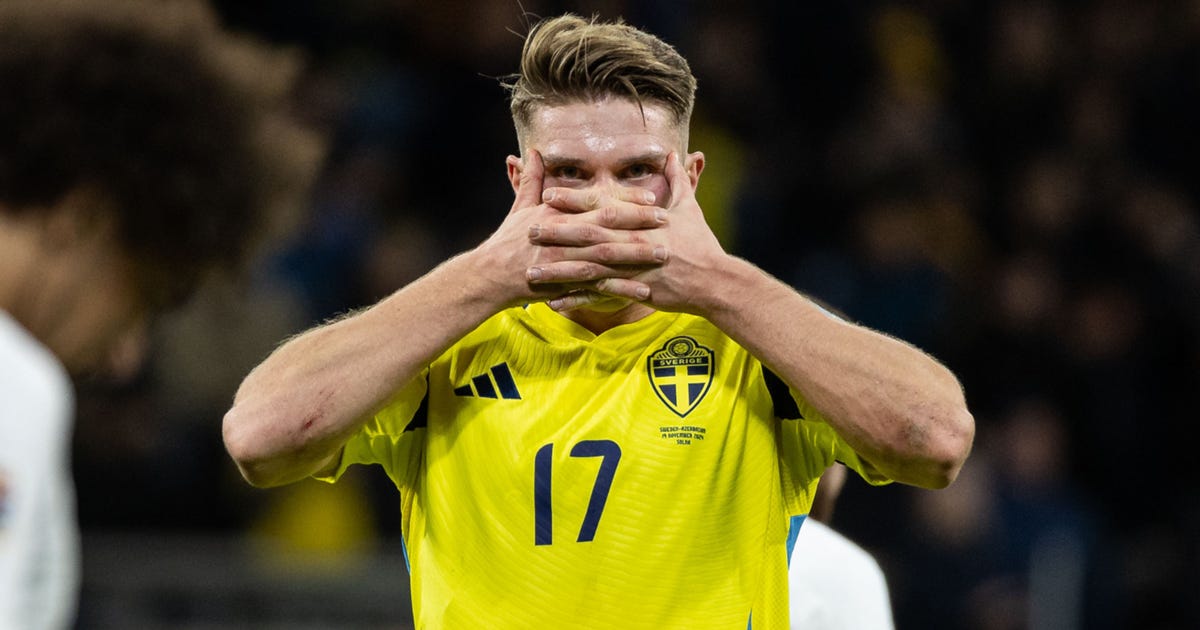
I could pick Alexander Isak here. Honestly, either answer works.
But I keep coming back to Gyökeres because of the way this match could unfold. The Netherlands will probably have more possession, which means Sweden’s forwards may spend long stretches waiting for the right moment.
Gyökeres is built for that.
He’s physical enough to occupy defenders, quick enough to run into space, and ruthless enough to turn one chance into a goal.
The Dutch defense cannot switch off. Not once. If Sweden wins, I would not be surprised if Gyökeres is the reason.
Prediction: Netherlands 2–2 Sweden
I want to pick a winner, but this feels like a draw.
The Netherlands should respond after the Japan match and create enough chances to score. But Sweden has too much attacking quality to disappear, especially if the Dutch leave space behind their midfield.
Both teams walk away with a point. Both teams probably feel like they should have had more.
Germany Gets a Real Test
Germany’s opener was almost too easy.
A 7–1 win over Curaçao gave the four-time champions the perfect start, but it also left us with questions. It is hard to know exactly what Germany is after a match like that.
One of the weird things about World Cups is how quickly expectations change. Germany looked unstoppable four days ago.
Beat Ivory Coast and people start whispering about a title run. Lose, and suddenly everyone remembers the last two tournaments. That’s the reality facing Julian Nagelsmann’s side.
Ivory Coast will ask different questions than Curaçao did. The African champions opened with a 1–0 win over Ecuador and showed exactly why they remain one of the most athletic and organized teams in the tournament.
Germany will probably have more possession. Ivory Coast will probably have more opportunities to counter. That is what makes this match compelling.
Germany needs to prove the opener wasn’t simply a mismatch.
Player to watch: Jamal Musiala
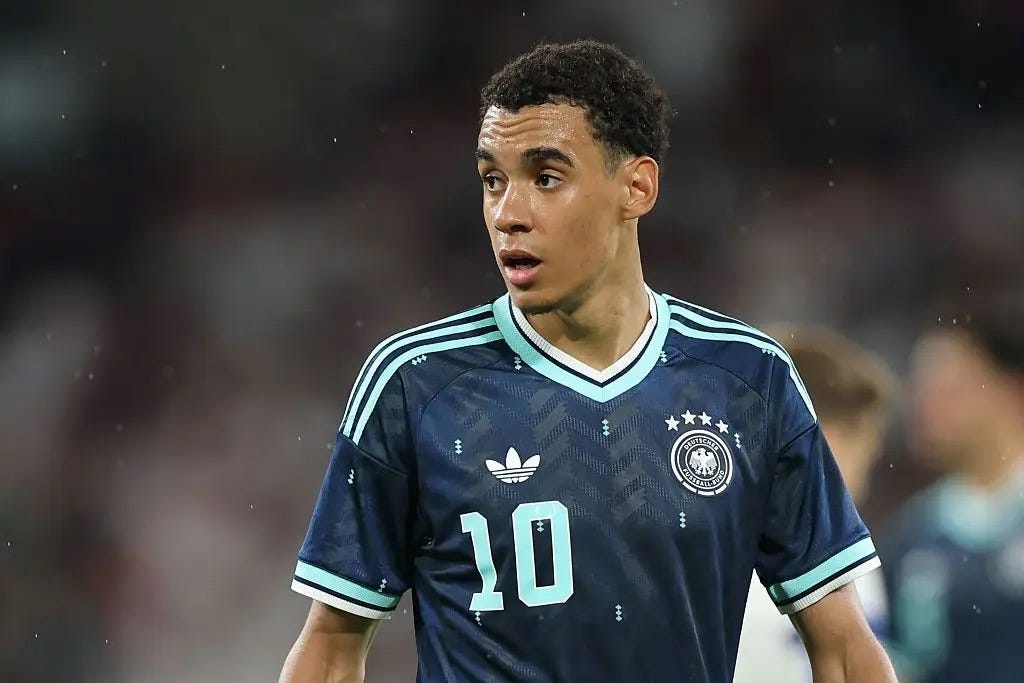
Germany may need Musiala more than it did against Curaçao. The spaces will be tighter. Ivory Coast is too disciplined to allow Germany endless opportunities in transition. That’s where Musiala becomes special.
His ability to dribble through midfield traffic makes him the type of player who can change a game that feels stuck.
Ivory Coast will try to make Germany uncomfortable. Musiala is the player who can make that disappear.
Prediction: Germany 2–1 Ivory Coast
I think Germany wins. I also think this is much harder than the opener.
Ivory Coast has enough speed and defensive structure to make Germany work for everything. I would not be surprised if they score.
But Germany has more ways to hurt opponents. At some point, that usually matters.
No Room Left for Errors
Ecuador entered this World Cup as one of the dark horses. Two matches in, they’re staring at the possibility of an early exit.
That’s how quickly tournaments change.
After losing 1–0 to Ivory Coast, this match is close to a requirement. Ecuador doesn’t need to win beautifully. It just needs to win. The pressure belongs entirely to Ecuador.
Curaçao lost 7–1 to Germany, but Ecuador coach Sebastián Beccacece has already warned against expecting the same kind of result.
He’s right. Ecuador isn’t Germany.
Curaçao still has pride, still has players eager to prove they belong, and still has the freedom that comes from having nothing to lose.
This is where teams with knockout-round ambitions have to be professional.
Player to watch: Moisés Caicedo
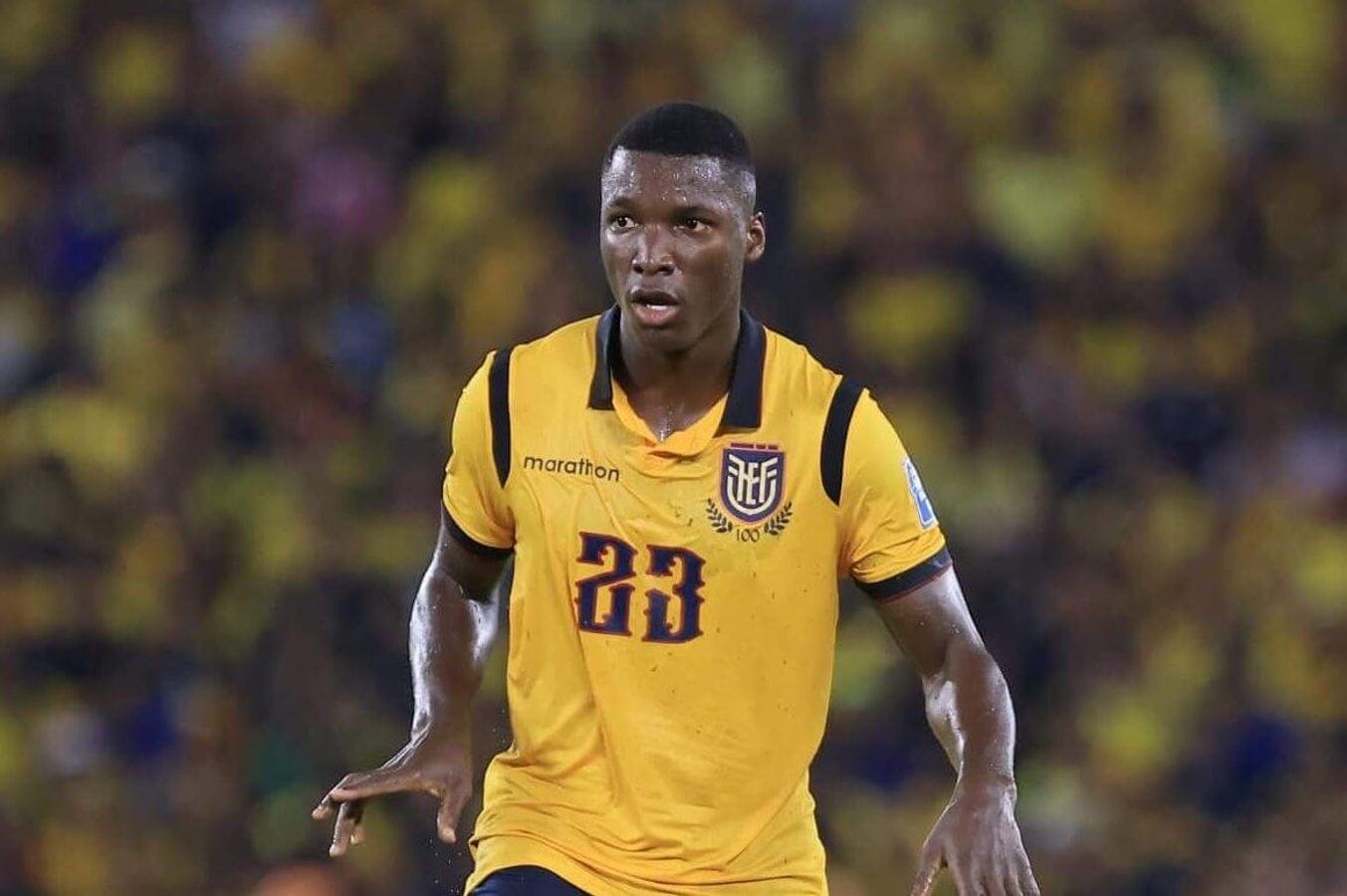
Ecuador’s night will be decided in the midfield. That’s why I’m watching Moisés Caicedo.
The temptation against Curaçao will be to attack relentlessly and chase goals. Caicedo has to make sure Ecuador stays balanced.
He gives Ecuador a sense of control when emotions threaten to take over. It’s not the flashiest role. But it might be the most important one.
Prediction: Ecuador 2–0 Curaçao
I don’t think this becomes a blowout.
Curaçao will want to respond after the Germany loss, and Ecuador isn’t usually a team that wins by five or six goals. But Ecuador should have enough quality.
The first goal matters. If Ecuador gets it early, the night becomes much easier. If not, expect some nerves.
Match No. 1,000
Sometimes the schedule gives a game extra meaning. Japan vs Tunisia will be the 1,000th men’s World Cup match.
That’s the kind of statistic people forget immediately if the game is boring.
Fortunately, Japan rarely plays boring World Cup matches.
The Japanese opened with a dramatic 2–2 draw against the Netherlands, coming from behind twice and showing the resilience that has become part of their identity at major tournaments. Keito Nakamura scored the first equalizer, Daichi Kamada headed home the second, and Japan left Arlington believing it could compete with anyone in Group F.
Tunisia enters in a completely different place.
A 5–1 defeat to Sweden led to the dismissal of Sabri Lamouchi, and now Hervé Renard takes charge with barely any time to prepare. Tunisia still has experienced players like Ellyes Skhiri and Hannibal Mejbri, but the margin for error is disappearing.
Japan has its own challenge.
Takefusa Kubo is expected to miss the match with a knee injury suffered against the Netherlands, forcing Hajime Moriyasu to adjust his attack. The solution is moving Ritsu Doan into a more advanced role while Junya Ito and Daichi Kamada take on more creative responsibility.
That might actually tell us something important about Japan.
This team has spent years building depth. The stars are recognizable, but the collective is what makes Japan dangerous. Even without Kubo, Moriyasu still has Kamada, Ayase Ueda, Keito Nakamura, Daizen Maeda, and Junya Ito available.
That’s a lot of answers for one injury. And it might be why Japan is quietly becoming one of the tournament’s more interesting teams.
Player to watch: Daichi Kamada
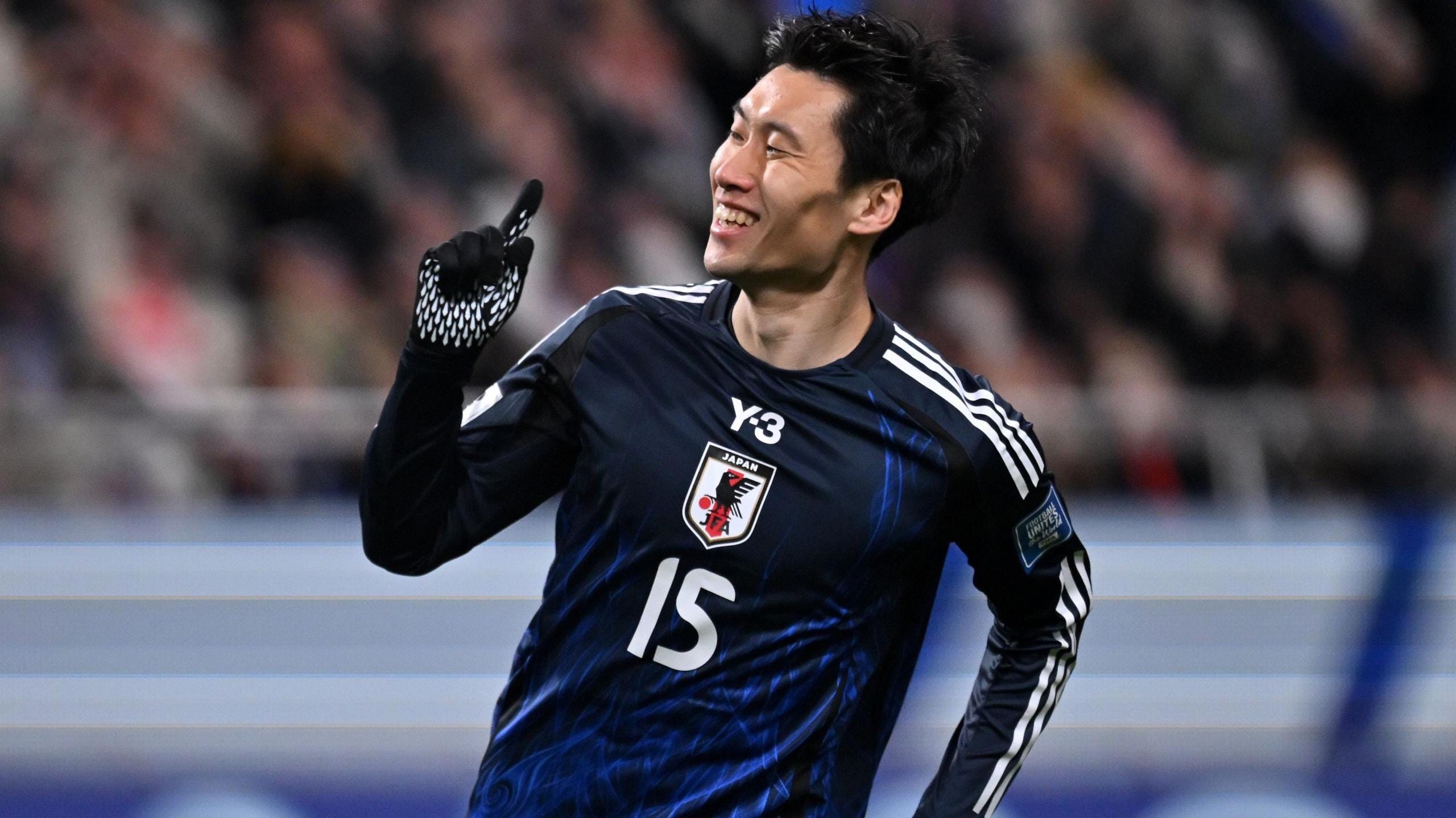
A week ago, Kamada probably wouldn’t have been my answer. Now he absolutely is.
The Crystal Palace midfielder scored the dramatic late equalizer against the Netherlands and has become one of Japan’s most important players. He’s controls matches from deeper areas, helping Japan stay balanced when games become chaotic. Kamada himself has credited his recent evolution to lessons learned under Oliver Glasner, and it’s showing on the biggest stage.
Without Kubo, Japan will need someone to carry more responsibility. Kamada feels ready for it. This is the kind of match where a player quietly becomes one of the stories of the tournament.
Prediction: Japan 2–0 Tunisia
Tunisia should be more organized under Renard. It has to be.
But Japan is the better team, and the draw against the Netherlands should give it confidence. Tunisia will probably defend deeper and make this uncomfortable early, but Japan has too much movement, too much depth, and too many players capable of finding solutions.
On a night that marks World Cup history, Japan takes a major step toward the knockout rounds.
And Daichi Kamada might become a much bigger name outside Japan than he already is.