

Every four years, the world seems to stop.
Fans wearing their nation’s colors. Families around televisions. Millions of people who rarely watch find themselves glued to matches played thousands of miles away.
That’s the power of the World Cup.
It’s one of the largest sporting events on the planet. For roughly a month, the best players from around the world represent their countries, fighting for the sport’s most important trophy. The tournament has produced memories that generations of fans still talk about decades later.
With the 2026 World Cup looming, many people will be experiencing the tournament for the first time. If you’re new to the sport, the excitement can feel overwhelming. How does the tournament work? Which teams should you watch? Why does everyone care so much?
This guide will help answer those questions and get you ready for the world’s biggest stage.
Why the World Cup Captivates the Planet
The road to the World Cup is long. For most national teams, it takes nearly three years of qualification just to earn a place at the tournament. For players, that often means only one or two chances in an entire career to appear on this stage.
That scarcity is part of what makes the World Cup so powerful.
Witnessing your country performing on the world’s biggest stage brings out a sense of national pride unlike anything else. For some countries, this tournament is the standard. Brazil is the only nation to compete in every tournament (23), followed by Germany and Argentina. These teams sit among the most successful in World Cup history, combining for a large share of all-time titles.
For others, it’s proof of years worth of breakthrough. Cape Verde, Curaçao, Jordan, and Uzbekistan kick off their first-ever World Cup campaigns this June, as over 50 million will witness their nation’s first run at glory.
That fight between global giants and first-time participants is part of what represents the tournament.
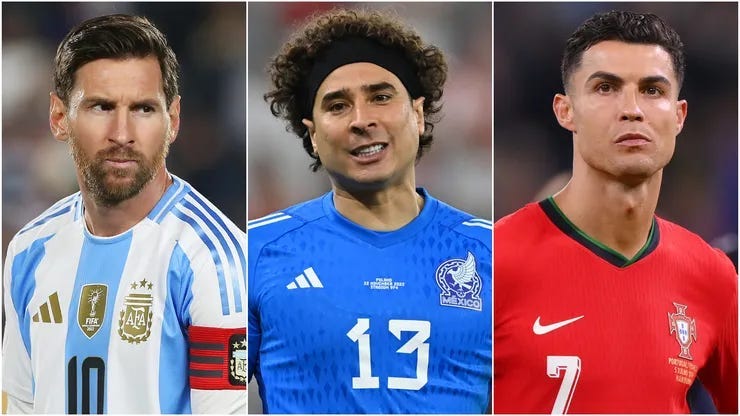
Some of the game’s biggest legends have defined their careers on this stage. Lionel Messi, Cristiano Ronaldo, and Guillermo Ochoa are among the only players set to appear in six World Cup tournaments, a level of longevity few athletes ever reach.
Every tournament brings firsts. New nations, new stories, and new moments that change the sport’s landscape. The mix of pressure and unpredictability is what makes the World Cup unlike anything else in sports.
How the Tournament Works
The World Cup features 48 teams, divided into 12 groups of four. The group stage is determined through a draw, with teams placed into seeded pots based on FIFA rankings to balance competition across groups
Each team plays the other three teams in its group once. After these matches, the top two teams from each group automatically advance to the knockout stage, along with the eight best third-place finishers.
That sets up a Round of 32, the start of the knockout phase. From there, the tournament becomes single elimination: Round of 32, Round of 16, quarterfinals, semifinals, third-place match, and the final.
Once the knockout stage begins, matches come quickly. Teams play every three to four days, leaving little time for recovery.
The 2026 World Cup will be hosted across the United States, Canada, and Mexico. The United States will host the majority of matches, including all games from the quarterfinals onward.
Teams and Players to Know
France
France enters the 2026 World Cup once again as one of the clear favorites, with Opta’s prediction model giving Les Bleus roughly a 13% chance of winning the tournament, among the highest of any nation. The French are a team that continues to sit at the very top of international football, backed by elite depth and consistent tournament success.
They will compete in their 17th World Cup, continuing a stretch of elite consistency that includes a 2018 title and a runner-up finish in 2022.
At the center of everything is Kylian Mbappé. Now the leader of the French attack, he remains a defining attacker of this generation. After scoring 42 goals in his most recent club season and continuing to climb the all-time World Cup scoring list, Mbappé has already built a legacy few players can match at his age.
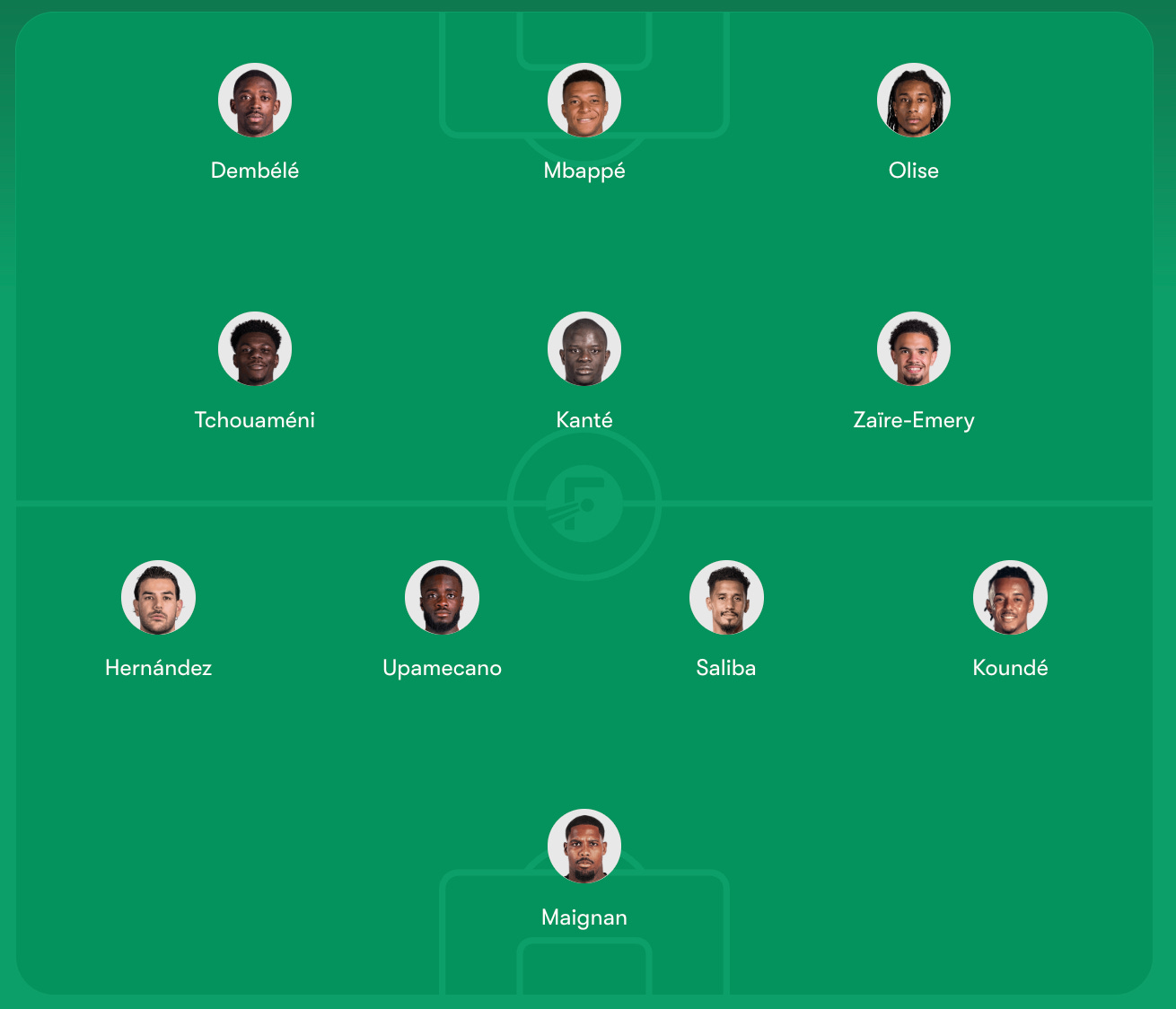
Around him, France’s quality stands out. Ousmane Dembélé arrives after a standout season in which he delivered PSG a back-to-back Champions League title, and Michael Olise brings creativity and width after a breakout campaign at Bayern Munich. Together, they give France one of the most dynamic attacking units in world football.
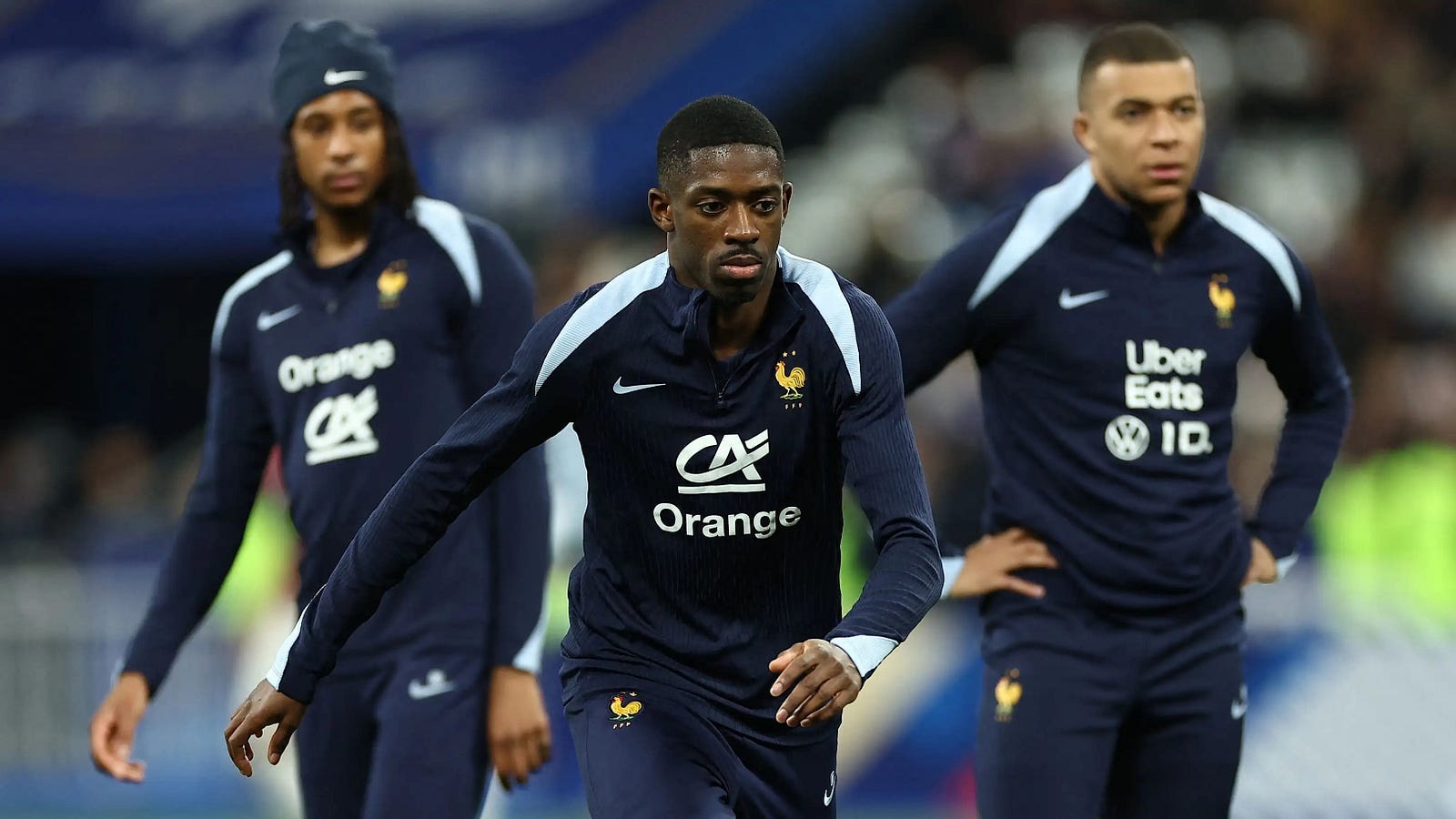
Behind them, the squad is just as complete. William Saliba, Dayot Upamecano, and Jules Koundé anchor a defensive line built for knockout football, while Aurélien Tchouaméni and Warren Zaïre-Emery add composure in midfield.
The French squad boasts a $1.8 billion value, built on a balance of youth, experience, and depth in every position.
This team is built to win again.
Spain
Spain arrive at the 2026 World Cup as one of the most complete teams, combining a new generation of talent with the structure that defined their Euro 2024 title. After winning their first major trophy in over a decade, La Roja hit North America with high expectations of adding a second World Cup title to their 2010 victory.
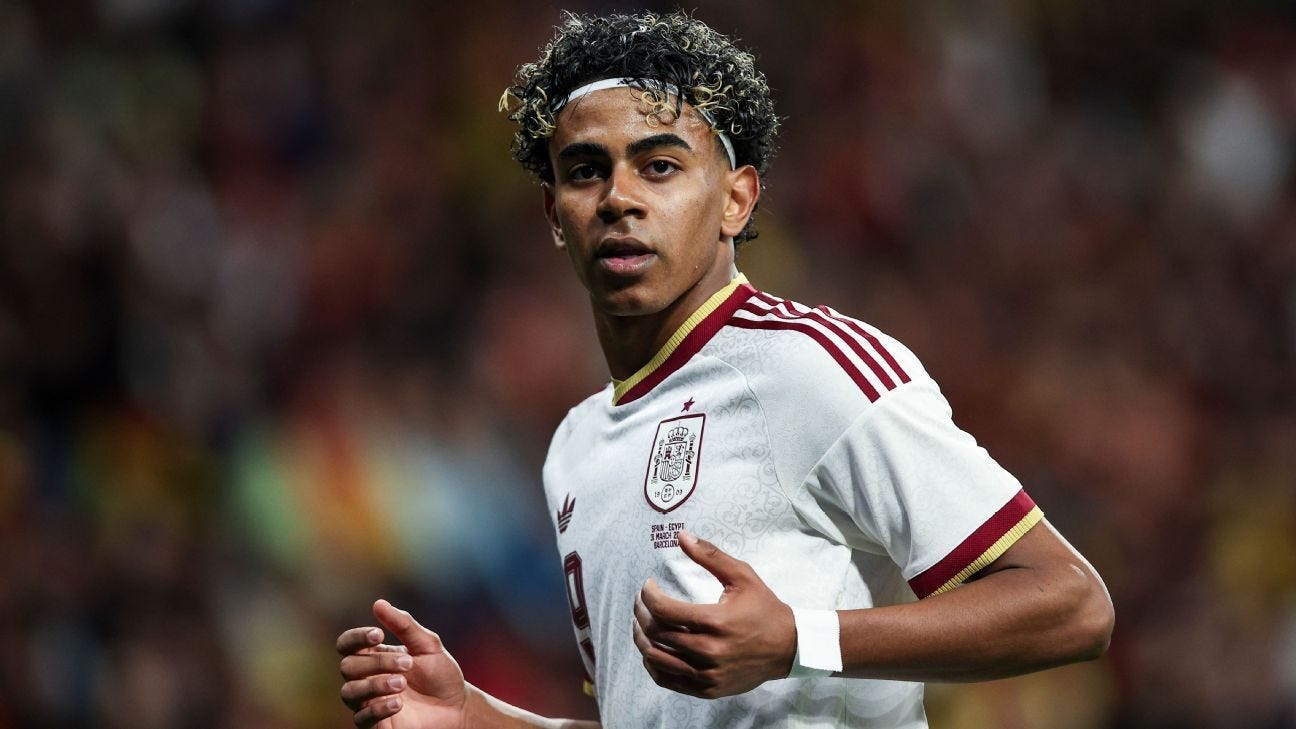
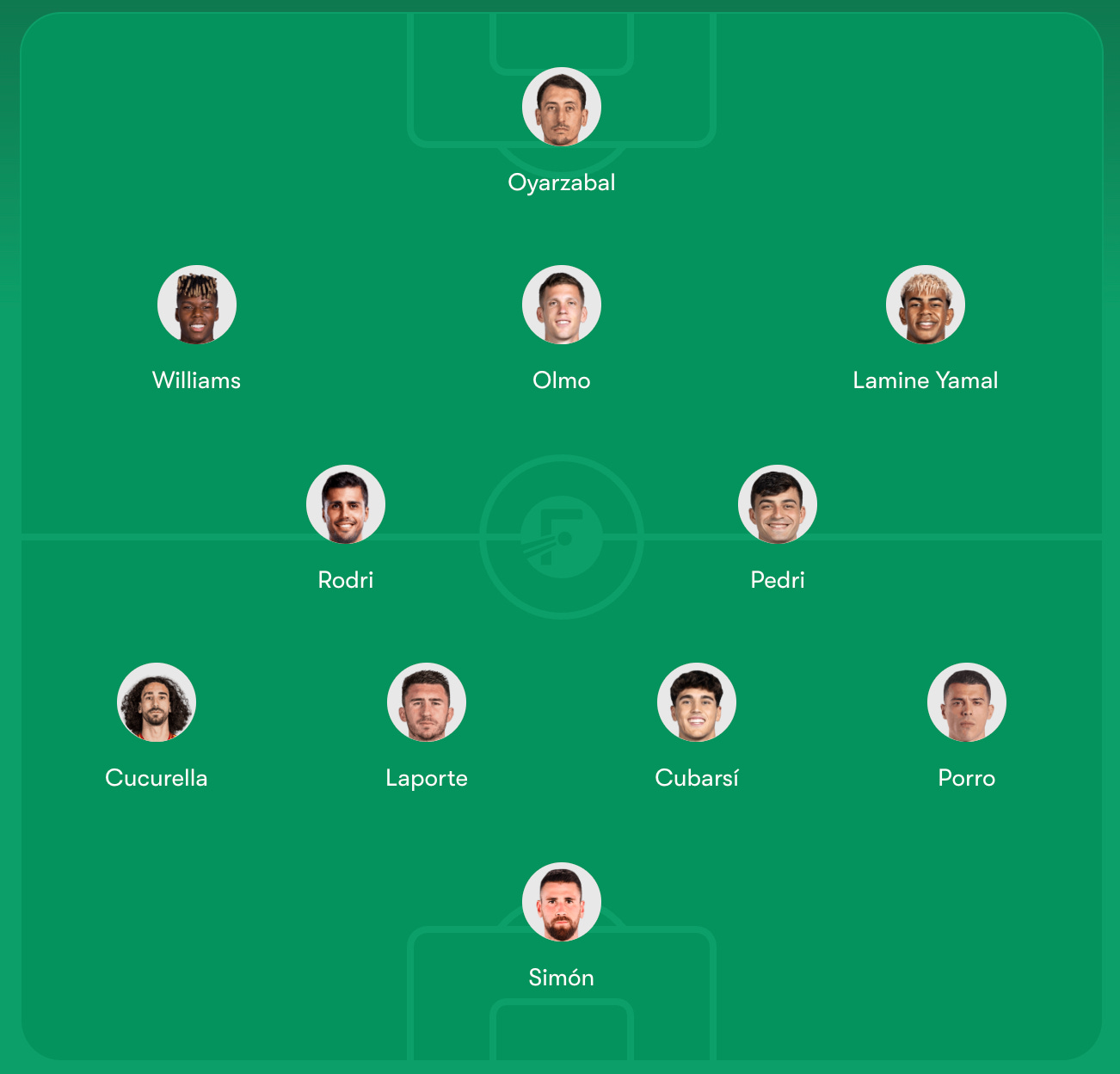
At the center of Spain’s rise is Lamine Yamal. Still a teenager, he has already become the face of the national team’s future, delivering match-winning performances at the Euros and establishing himself as one of the most dangerous wingers in the world. His ability to break open matches makes him Spain’s most unpredictable attacking threat.
Behind him, Rodri holds the team as one of the best holding midfielders in the world, and Pedri provides the creative link between midfield and attack. Together, they give Spain a level of control few teams in the tournament can match.
In defense, young center-backs like Pau Cubarsí show the next evolution of Spain’s back line: possession, pressing, and structure rather than individuality.
Spain enters the tournament among the top-tier contenders for 2026.
England
England arrive with one of the deepest squads, but also under constant pressure to deliver a major tournament run. It will be their third straight tournament with a group of players who have grown together on the international stage, and anything short of a semi-final run will be seen as disappointment.
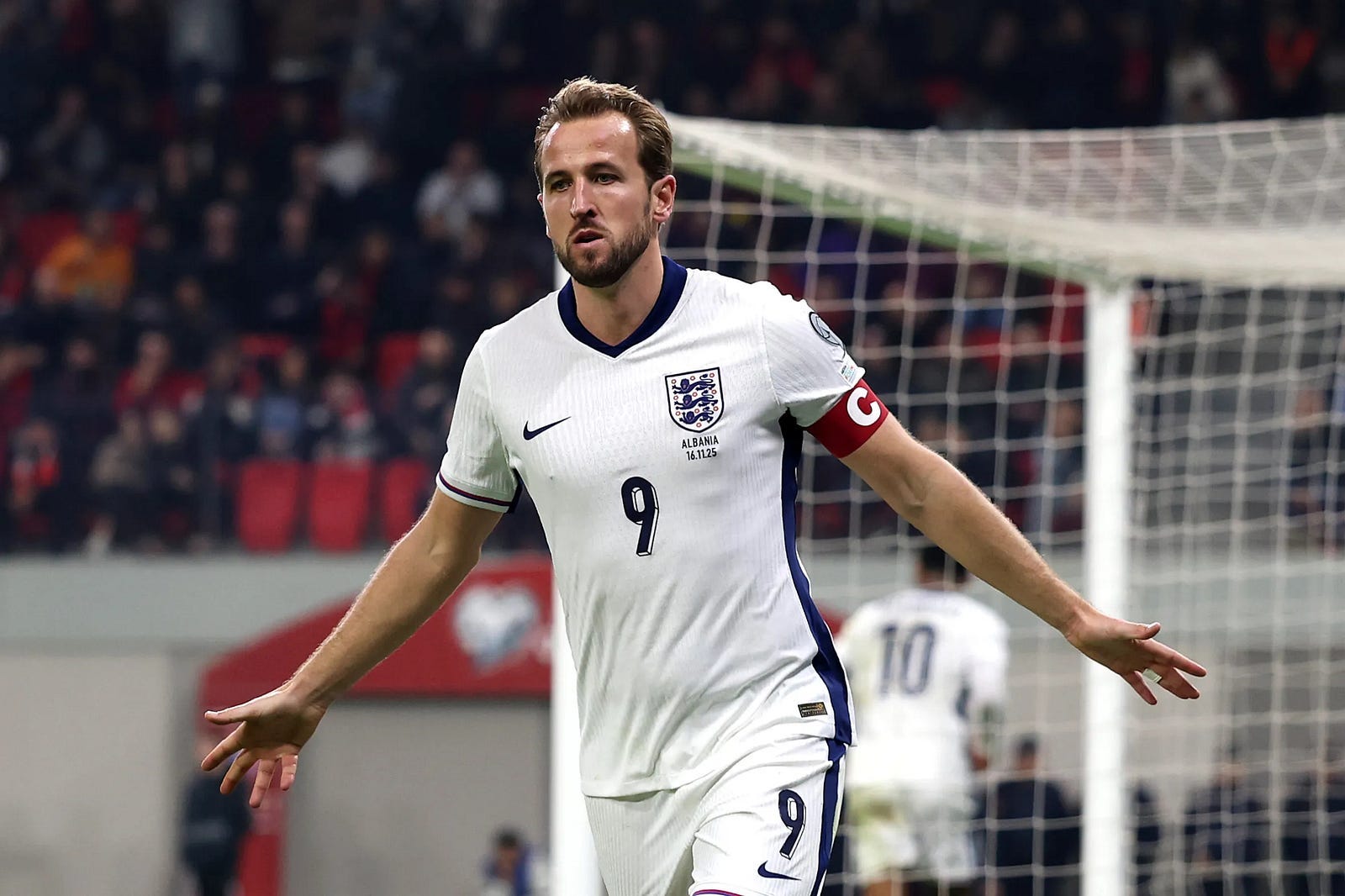
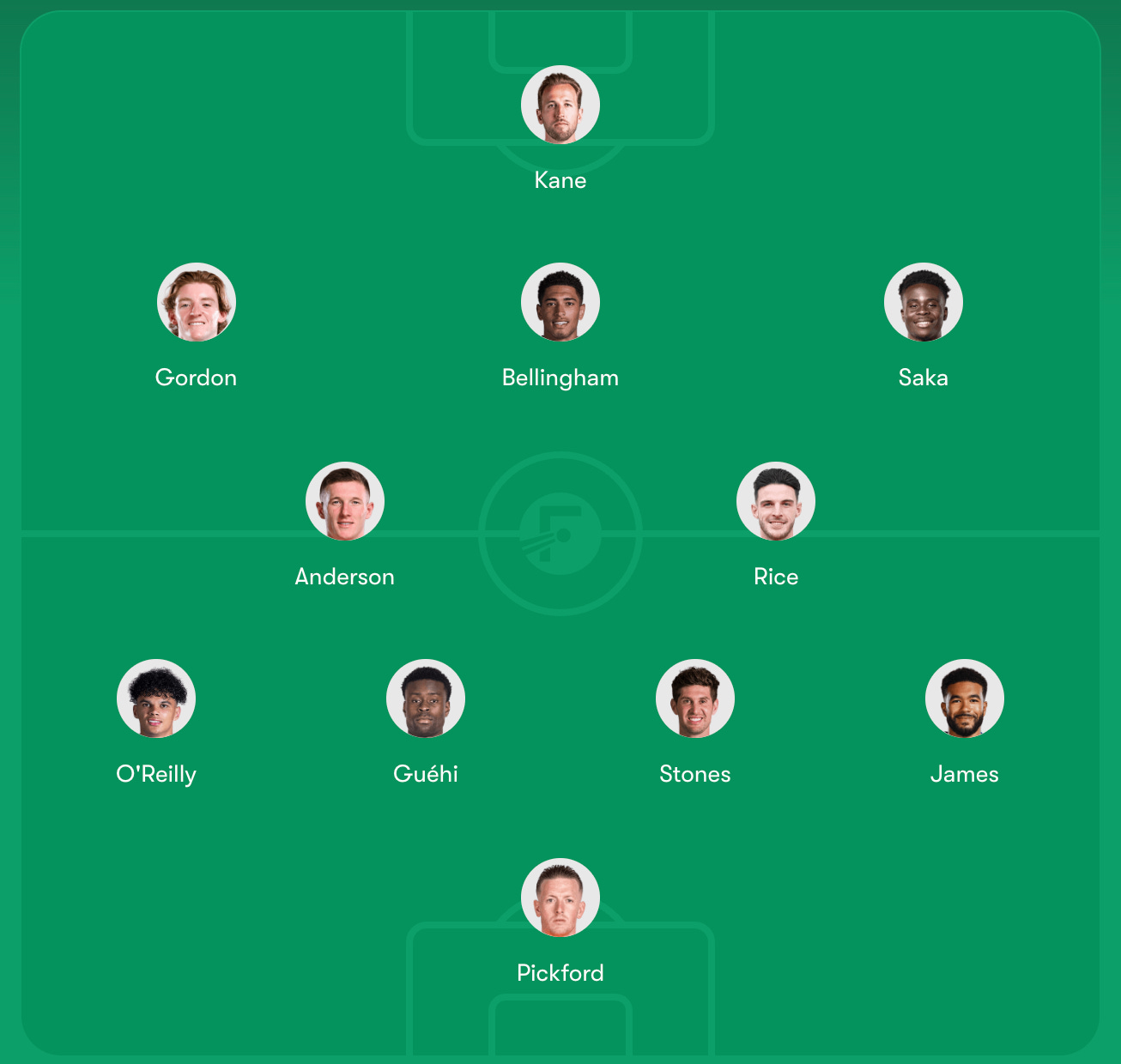
At the center of it all is Harry Kane. England’s all-time leading scorer and the main point of attack, he comes into the tournament off another career-high season in Germany. His finishing makes him essential, but it proves England’s continued dependence on his performance.
Jude Bellingham represents the present and future of the national team. The Madrid star has become the creative and emotional engine of the side, capable of changing matches from midfield while also arriving as a goal threat.
Declan Rice anchors the midfield, giving England structure and stability, especially in knockout-style matches.
Under Thomas Tuchel, the focus has been on keeping possession with direct attacking transitions. However, it has yet to show the most effective attacking structure, especially in maximizing these talents.
England’s path is rarely clear, often decided by moments in the knockout rounds.
Best Group Stage Matchups to Watch
The group stage runs from June 11–27, 2026, and sets the tone for the entire tournament. Each team plays three matches, meaning every result carries weight.
Matchday 1 (June 11–17)
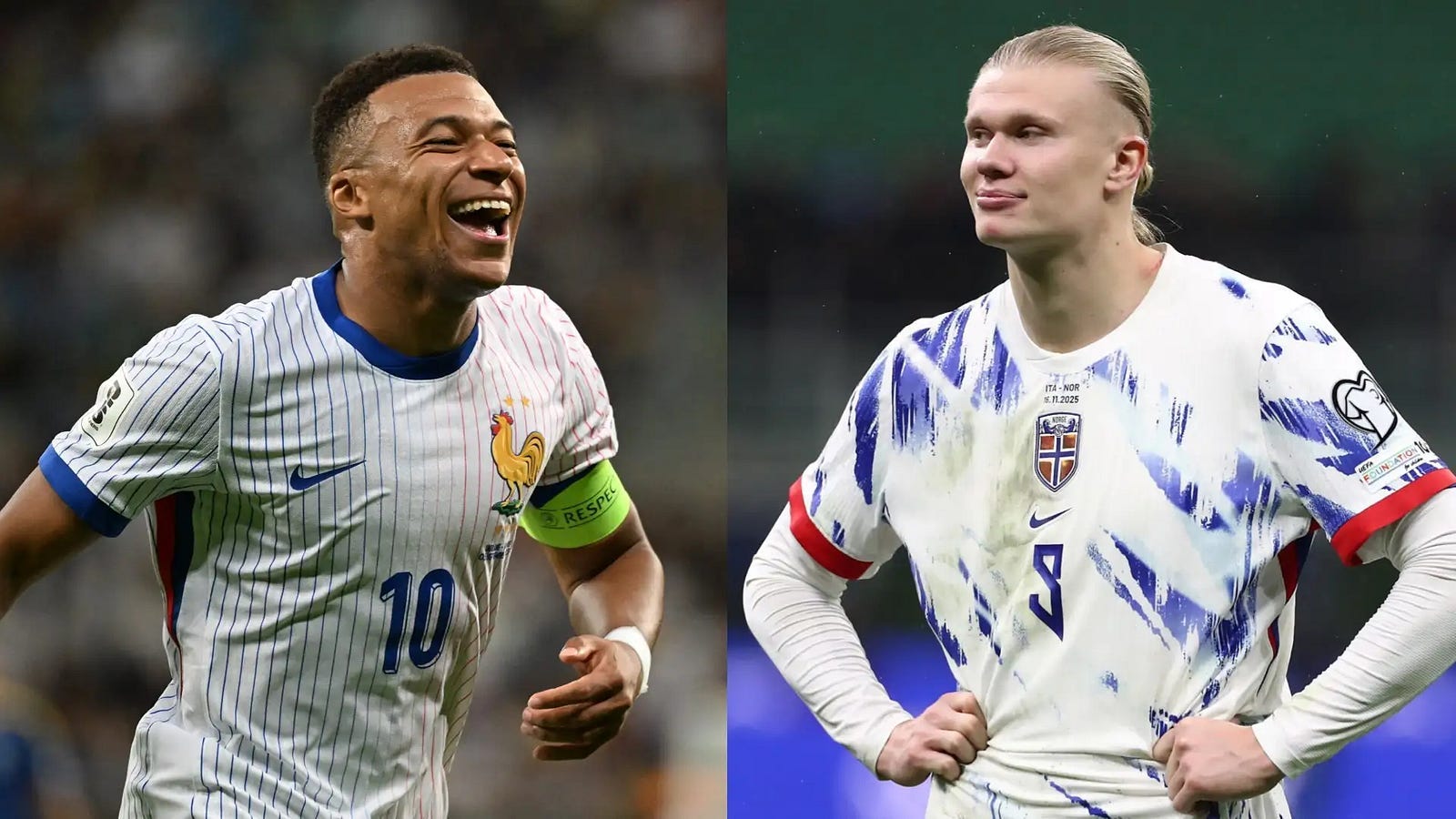
France vs Norway (Group I)
France’s depth and attacking power face a Norway side built around Erling Haaland and Martin Ødegaard. It’s France’s control and quality against Norway’s direct, transition-heavy style.
Brazil vs Morocco (Group C)
Brazil’s play through Vinícius Júnior and Raphinha meets a Morocco side using compact defending and quick counterattacks. A clear clash of styles.
Matchday 2 (June 18–23)
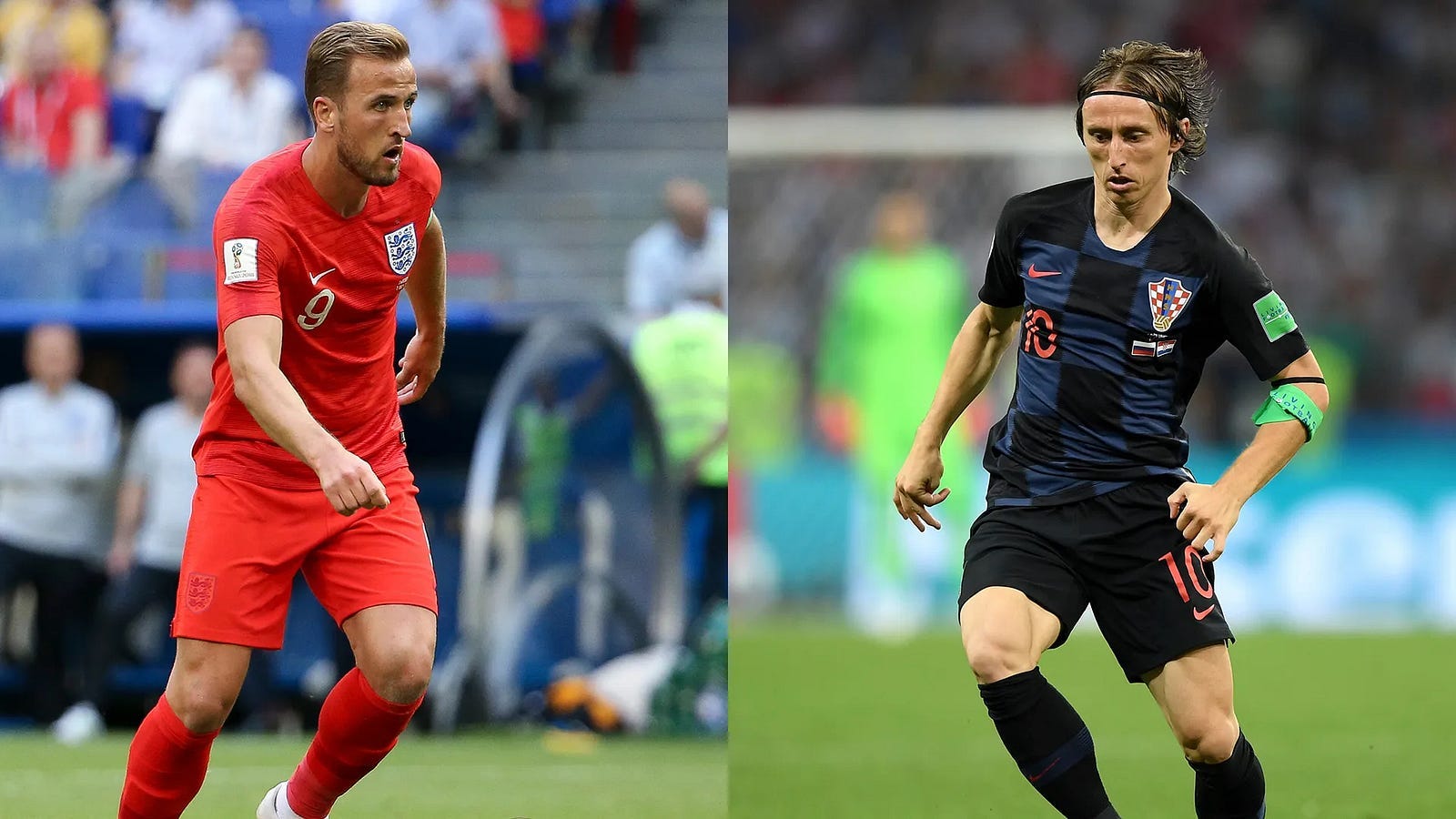
England vs Croatia (Group L)
England’s quick attacking runs, led by Bellingham and Saka, meet Croatia’s controlled midfield system built around Luka Modrić.
USA vs Türkiye (Group D)
A high-pressure game for the hosts. Weston McKennie and Tyler Adams bring energy and ball-winning in midfield, while Christian Pulisic remains the main attacking outlet. Arda Güler’s Türkiye is aggressive in transition, which makes this a game where midfield control decides everything.
Spain vs Uruguay (Group H)
Spain’s possession control meets Uruguay’s intensity and vertical attacking style, led by Federico Valverde and Darwin Núñez. It’s control versus disruption.
Matchday 3 (June 24–27)
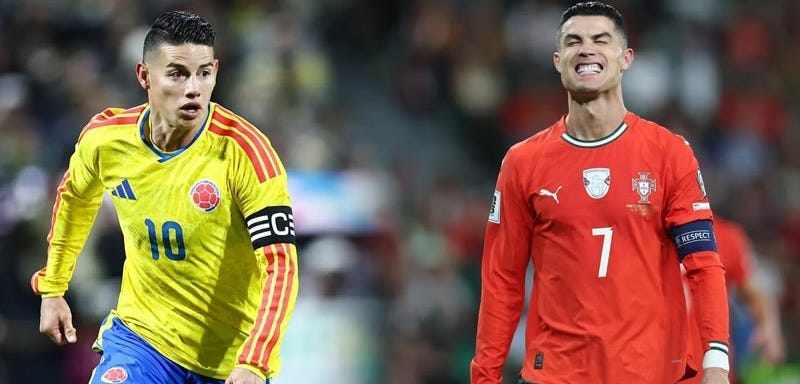
Portugal vs Colombia (Group K)
Bruno Fernandes’ creativity, Rafael Leão’s explosiveness, and Cristiano Ronaldo’s experience on the biggest stage. Colombia relies on pace and dribbling in transition, with Luis Díaz as their main guy. If both sides find rhythm, this has one of the highest entertainment ceilings in the group stage.
The World Cup rarely follows expectations. It moves fast, produces surprises, and creates moments no one can predict.
By the end of the group stage, the story of the tournament will already have changed.
That’s the tournament. Now it’s just a matter of waiting for kickoff.