

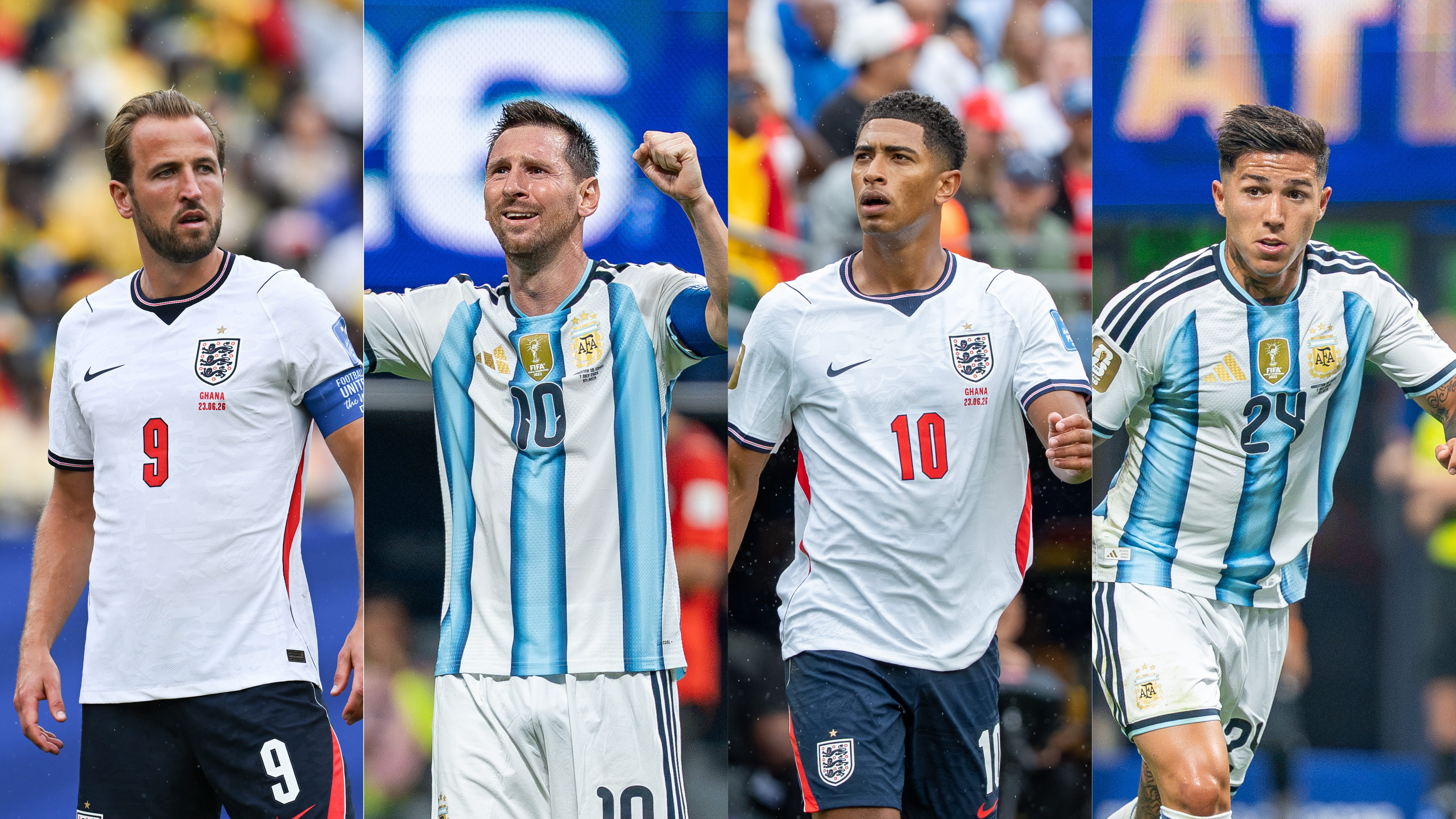
Spain did not need chaos, a late winner or one of the individual moments France seemed capable of producing at any second. It took control early and never gave the tournament’s most dangerous attack the type of match it wanted.
Mikel Oyarzabal converted a penalty in the 22nd minute after Lamine Yamal drew a foul from Lucas Digne. Pedro Porro doubled the lead in the second half after combining with Dani Olmo, and Spain spent the rest of the night denying France the openings it had found throughout the tournament.
France entered the semifinal with the World Cup’s most dangerous attack, but Spain didn’t allow the match to open. La Roja protected the areas where it lost possession, limited opportunities Kylian Mbappé had spent the tournament punishing and forced France to create against a settled defense. Mbappé attempted three shots without putting one on target, while Ousmane Dembélé and Michael Olise never found enough room to change the game.
Spain won 2–0, recorded its sixth shutout in seven matches and advanced to its first World Cup final since lifting the trophy in 2010.
Now it waits for England or Argentina.
Diego Maradona’s Hand of God. David Beckham’s red card. Penalty shootouts and generations of supporters who can recall exactly where they were when these countries last met at a World Cup.
England and Argentina have never met in a World Cup semifinal or final, adding a new stage to a rivalry already filled with matches neither country has forgotten.
Argentina has spent much of this tournament living close to the edge. Lionel Scaloni’s team needed extra time to survive Cabo Verde, came back from two goals down against Egypt and required another extra-time push to defeat Switzerland 3–1 in the quarterfinal. Julián Álvarez broke the deadlock in the 112th minute before Lautaro Martínez finished the match.
England’s route hasn’t been any calmer either.
Thomas Tuchel’s team beat Croatia 4–2, drew with Ghana and defeated Panama to win its group. England then survived DR Congo, beat Mexico 3–2 and needed extra time against Norway. Jude Bellingham scored twice in the quarterfinal, including the goal that sent England into its third World Cup semifinal since 1990.
Neither team has reached this stage through dominant performances. Argentina has repeatedly needed extra time, while England has allowed knockout matches to become far more uncomfortable than its talent suggested they should be.
Both have survived anyway, and at this stage of the tournament, that ability may matter as much as playing well for 90 minutes.
A Rivalry With a Final Waiting on the Other Side
Thomas Tuchel has made three changes from the team that started against Norway.
Reece James replaces Ezri Konsa at right back, Djed Spence comes in for Nico O’Reilly on the left and Morgan Rogers starts ahead of Noni Madueke on the right wing. Jarell Quansah is suspended, while Jordan Henderson remains unavailable with a wrist injury. Declan Rice has recovered from illness, and James is fit after his recent hamstring issue.
The changes make England more adventurous. James gives England the option of stepping another player into midfield during buildup. He can move alongside Rice and Elliot Anderson and allow Bellingham to stay closer to Harry Kane.
The risk comes when possession changes hands. Lionel Messi naturally drifts toward that side of the field. An inverted James could find himself recovering toward his own goal rather than defending from a set position, especially when Argentina wins the ball before England’s midfield has time to reorganize.
Spence brings a different quality on the opposite side. His speed should help England defend open space, but he is making his first start since the Round of 16 and now has to manage one of Argentina’s most interesting tactical changes.
Scaloni has made one surprise move of his own. Giuliano Simeone replaces Rodrigo De Paul in Argentina’s only change from the quarterfinal. The decision removes one of Scaloni’s most trusted midfielders and replaces him with a more natural wide player.
Simeone can hold the right side or run beyond England’s defense, while Alexis Mac Allister moves narrower from the left to join Enzo Fernández and Leandro Paredes. Nicolás Tagliafico can then provide width on the opposite side.
Messi has the freedom to move toward whichever area England leaves most vulnerable. That structure could give Argentina several players in central areas without completely abandoning the width needed to stretch England’s defense. It also creates an big test for Spence, who will have to manage Simeone’s running and Messi drifting toward the same side.
Messi rarely stays in a fixed position. He begins near Álvarez, then moves toward whichever area England has temporarily left open.
Tuchel admitted he considered using a dedicated marker on Messi before deciding England would need a collective answer.
Rice and Anderson will carry that responsibility. Rice is the midfielder most capable of tracking Messi physically, but England cannot allow that to pull him away from every other problem Argentina creates. Fernández and Mac Allister are too dangerous to leave alone, and Álvarez will immediately attack behind England’s midfield whenever Messi moves toward the ball.
England cannot allow both midfielders to step toward Messi. One must engage him while the other protects the pass that follows.
At the other end, Bellingham can create a different problem for Argentina’s midfield.
Paredes is Argentina’s deepest midfielder, and Bellingham’s movement will repeatedly test his positioning. Bellingham will begin behind Kane, but he rarely stays there. When Kane drops away from Cristian Romero and Lisandro Martínez, Bellingham can attack the opening he leaves behind.
Rogers may be important to making those movements matter. His selection is one of Tuchel’s more surprising decisions. He has started only once during this World Cup, but he gives England a stronger ball carrier on the right. Argentina will try to trap possession near the touchline, where the sideline becomes another defender and Romero can step aggressively toward the ball.
Argentina wants to make England’s midfield choose between Messi and the players moving around him. England wants to move Argentina’s deepest defenders until Bellingham or Kane finds an opening. Neither team is likely to control those matchups for 90 minutes.
The history surrounding this match will become part of the conversation, but the players are not carrying memories of Maradona or Beckham onto the field. They are carrying their own.
England lost a World Cup semifinal in 2018, the Euros final in 2021 and another European final in 2024. This group has spent years getting close enough to believe, only to leave another tournament without the trophy.
Argentina’s pressure comes from what this group has already accomplished.
It is defending the World Cup with a 39-year-old captain who has already scored eight times during this tournament. Another victory would take Messi back to the final four years after he finally lifted the trophy that had defined so much of his career.
England is trying to end 60 years of waiting. Argentina is trying to extend one of the greatest periods in its national team’s history.
Player to Watch: Jude Bellingham
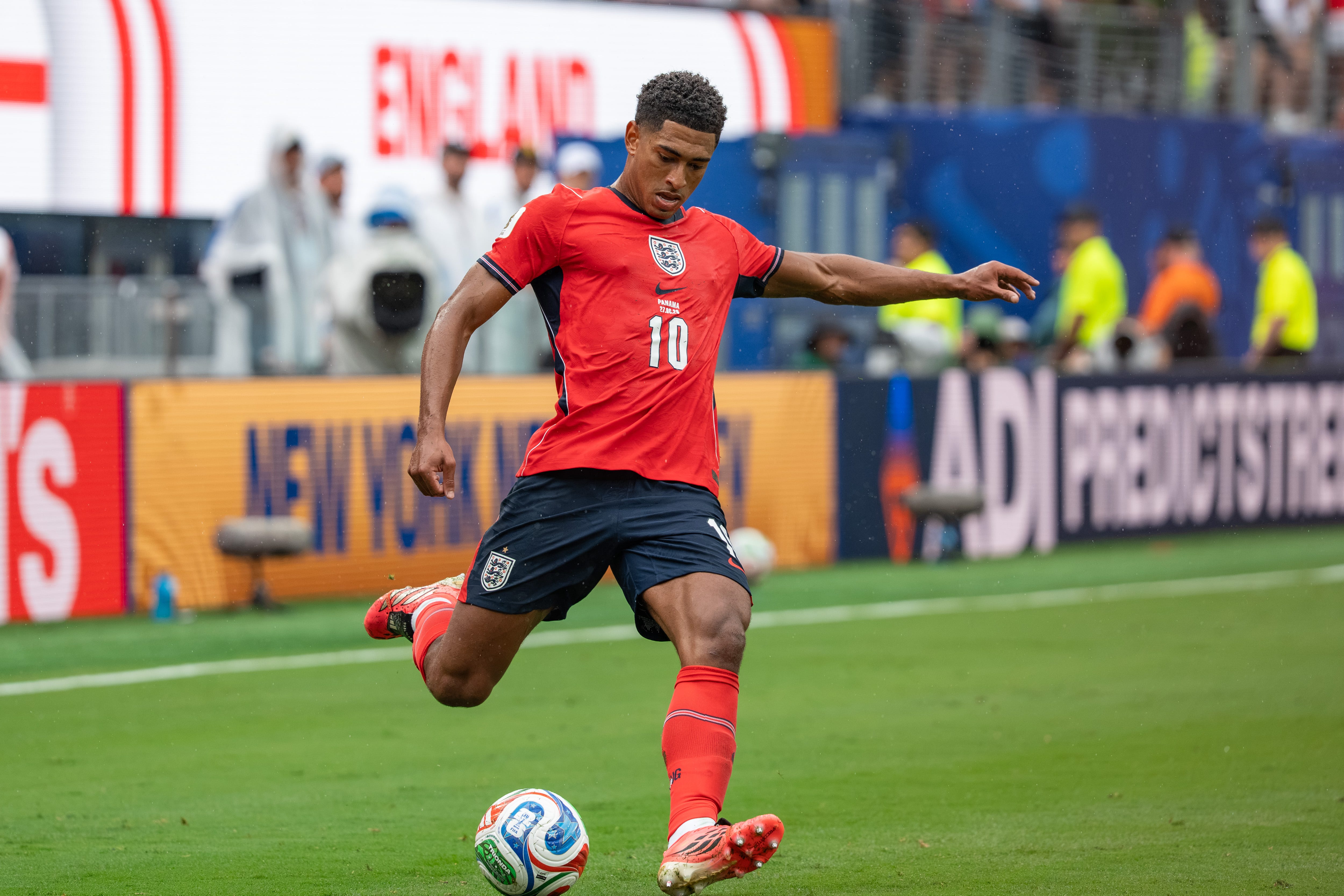
The questions surrounding him before the World Cup now feel distant. Bellingham has scored six goals during the tournament, including four across England’s past two knockout matches. His two goals against Mexico helped England survive the Round of 16. He scored twice again against Norway, including the extra-time winner that brought England to Atlanta.
His importance goes beyond the goals.
Bellingham will begin behind Kane, but Argentina cannot defend him with one defender. He can drop into midfield to help England play through pressure, move toward the left to combine with Anthony Gordon or arrive in the penalty area as Kane pulls a center back away.
Those movements will test Paredes and Argentina’s center backs throughout the match.
Argentina will also test his patience. It will make the game physical, contest second balls and interrupt transitions whenever England begins to build momentum. Bellingham plays with an edge that makes him capable of thriving in that environment, but England needs his intensity directed toward the game.
At 23, he is already playing in his fourth major tournament. He has experienced the penalties, the criticism and the feeling of leaving competitions before England believed it should. Now he has a chance to help take the country back to a World Cup final for the first time in 60 years.
Prediction
England has enough athleticism and attacking depth to make Argentina uncomfortable, especially as the match stretches. Bellingham’s movement should create problems, and Tuchel has more ways to change the attack from the bench.
I still trust Argentina when the original plan stops working.
Many of its most important players have already survived a World Cup final together. They know how to slow a match, get through a difficult stretch and find another way forward. Messi still gives them a player who can change everything in a few seconds.
England will have chances. I think Argentina takes one more.
Argentina 2–1 England after extra time.
Spain is already waiting in New Jersey.
England has spent years getting close. Argentina is trying to do this one more time.
By tonight, one of them will be on its way.